Cheapest electric car options in Australia for 2025 ranked by price, range, and features. Compare affordable EVs and see which model offers best value.
Quick Summary
- Overall Cheapest New EV: BYD Dolphin – from $29,990
- Best Used EV Under $30K: Nissan Leaf – from $25,000
- Best Family EV: MG ZS EV
- Longest Range: MG4 Excite 64kWh – up to 530 km
Don’t just skim — keep reading for all the details you need, from reviews and EV battery warranties to replacement costs and smart buying tips.
Electric vehicles (EVs) are no longer reserved for luxury car buyers. With growing demand, better technology, and increasing competition, the many electric cars are cheap in Australia today offers great value, especially in 2025. Whether you’re looking to reduce fuel costs, cut emissions, or take advantage of government rebates, budget-friendly electric cars are rapidly becoming a go-to choice for Aussie drivers.
Unlike a few years ago, finding an affordable electric car with good range, modern features, and reliable safety ratings is now realistic even with a modest budget. As petrol prices rise and infrastructure improves, even the cheapest electric vehicles are worth serious consideration—especially for city commutes and weekend getaways.
In this guide, we’ll explore the cheapest electric car options available in 2025, compare specs and real-world reviews, and help you decide which budget EV is right for you.
Why Choose an Electric Car in 2025?
In 2025, the electric car is no longer a compromise—it’s a smart investment. With Australian fuel prices fluctuating and EV infrastructure expanding nationwide, buying an affordable electric vehicle makes more financial and environmental sense than ever before.
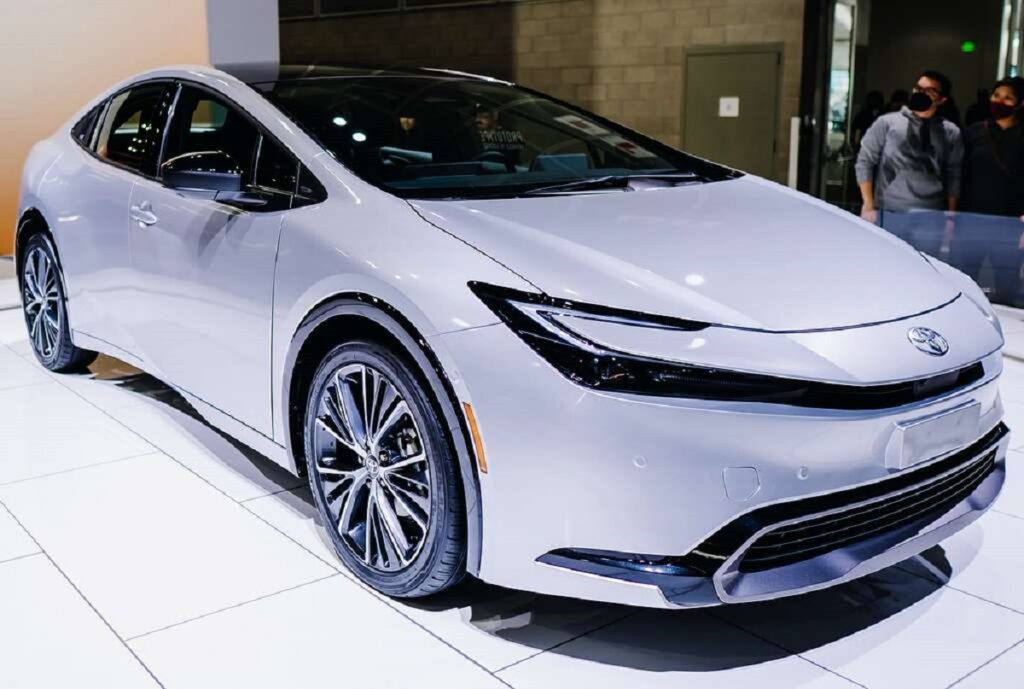
Lower Running Costs
EVs dramatically reduce fuel and maintenance expenses. A full charge often costs less than half the price of a tank of petrol, especially if you charge during off-peak hours or install solar at home. That means the electric car could save you thousands per year compared to traditional combustion vehicles.
Government Rebates & Incentives
Federal and state-level programs provide upfront discounts and stamp duty exemptions for electric vehicles. These benefits can make even mid-range EVs feel like the most affordable electric cars on the market. For a full breakdown, visit the Service NSW EV rebate guide.
Environmental Benefits
Reducing your carbon footprint is easier with even the cheapest EV cars. They produce zero tailpipe emissions and often score high ANCAP safety ratings, making them ideal for eco-conscious families.
Growing Used EV Market
Thanks to early adopters upgrading to newer models, the second-hand EV market is growing fast. You can now find a reliable cheap electric car for under $30,000 by browsing listings on our Used Cars for Sale in Australia page.
Comparison Table – Cheapest Electric Cars in Australia (2025)
Choosing the cheapest electric car in 2025 isn’t just about finding the lowest price—it’s about getting value for money. Below is a detailed comparison of the top budget EVs available in Australia, comparing price, range, safety, and features to help you make an informed decision.
| Model Name | Starting Price (AUD) | Driving Range (WLTP) | Battery Size | ANCAP Rating | Charging Time (AC) | Best For |
|---|---|---|---|---|---|---|
| MG ZS EV Excite | $44,990 | 320 km | 50.3 kWh | 5 Star | ~7.5 hours | Urban drivers seeking SUV value |
| BYD Dolphin | $38,890 | 340 km | 44.9 kWh | 5 Star | ~6.5 hours | Cheapest new EV in 2025 |
| GWM Ora Standard | $39,990 | 310 km | 48 kWh | 4 Star | ~7 hours | Retro design, modern tech |
| Nissan Leaf (Used) | ~$25,000 (used) | 270 km | 40 kWh | 5 Star | ~8 hours | Proven value in used EV market |
| Renault Zoe (Used) | ~$20,000 (used) | 250 km | 41 kWh | 4 Star | ~6 hours | Cheapest second-hand EV |
| Hyundai Ioniq EV (Used) | ~$28,000 (used) | 311 km | 38.3 kWh | 5 Star | ~6.5 hours | Balanced performance & comfort |
These are some of the cheapest electric cars currently available in Australia for 2025. While the MG ZS EV and BYD Dolphin dominate the new car space, used EVs like the Nissan Leaf and Hyundai Ioniq deliver incredible value under $30K.
To explore current deals and listings, visit our Used Cars for Sale section or check out the latest cars for sale near you.
Top 7 Cheapest Electric Cars – Detailed Reviews
1. BYD Dolphin
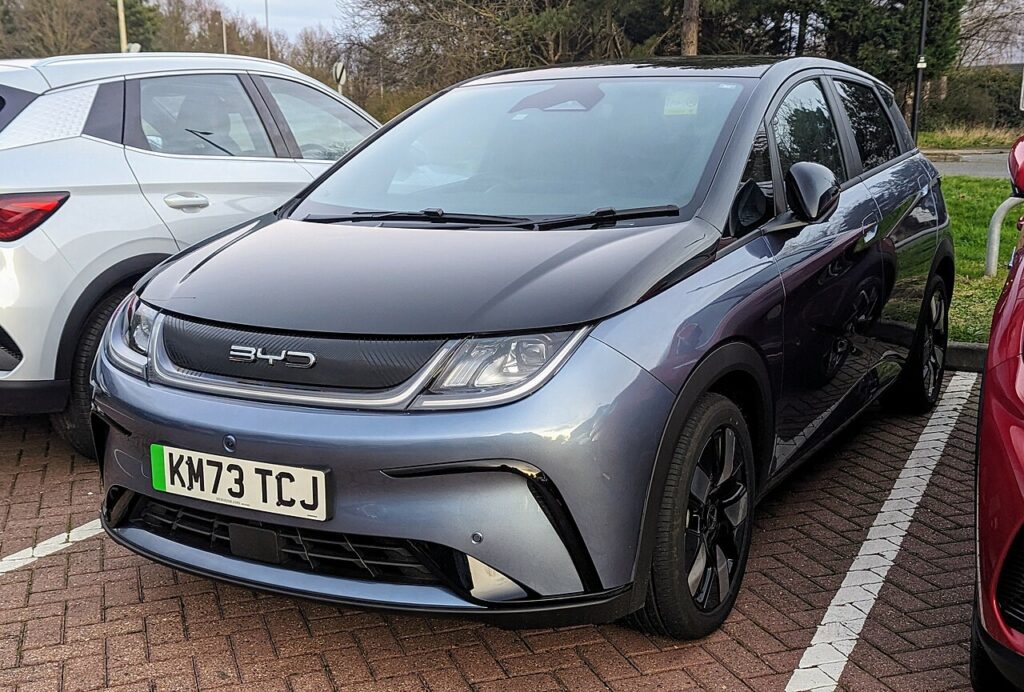
- Price: Starting from $29,990 plus on-road costs
- Range: Up to 340 km (WLTP)
- Battery: 44.9 kWh
- Overview: The BYD Dolphin stands out as Australia’s most affordable new electric car in 2025. Its compact hatchback design is perfect for urban driving, and it offers a comfortable interior with modern features. The Dolphin’s affordability doesn’t compromise on quality, making it an excellent choice for first-time EV buyers.
BYD Dolphin 2025 Overview
The BYD Dolphin is a compact electric hatchback that has garnered attention for its affordability and feature-rich offerings in the Australian market.
Selling your car?
List your vehicle on AusCarSales and connect with buyers across Australia.
Sell Your CarPros and Cons
Pros:
- Affordability: One of the most competitively priced EVs in Australia, making electric mobility more accessible.
- Feature-Rich: Comes equipped with a panoramic glass roof, 12.8-inch rotating touchscreen, and heated front seats even in the base model.
- Safety: Achieved a 5-star ANCAP safety rating under the latest testing protocols.
- Range: Offers a WLTP range of up to 427 km in the Premium variant.
- Warranty: Backed by a 6-year/150,000 km vehicle warranty and an 8-year/160,000 km battery warranty.
Cons:
- Performance: While adequate for city driving, it may not satisfy those seeking high-performance acceleration.
- Interior Materials: Some interior plastics may feel less premium compared to competitors.
- Steering Adjustment: Lacks reach adjustment for the steering wheel, which may affect driving comfort for some users.
BYD Dolphin ANCAP Safety Rating
The BYD Dolphin received a 5-star ANCAP safety rating in 2023, with the following scores:
- Adult Occupant Protection: 89%
- Child Occupant Protection: 86%
- Vulnerable Road User Protection: 85%
- Safety Assist: 77%
These results reflect strong performance in crash protection and the inclusion of advanced safety assist technologies.
Key Features
- Infotainment: 12.8-inch rotating touchscreen with Apple CarPlay and Android Auto compatibility.
- Interior: Heated front seats, synthetic leather upholstery, and a panoramic glass roof.
- Safety: Includes autonomous emergency braking, lane-keeping assist, blind-spot monitoring, and rear cross-traffic alert.
- Performance: Front-wheel drive with power outputs ranging from 70 kW to 150 kW, depending on the variant.
Pricing
New Car Prices (Excluding On-Road Costs):
- Dynamic: $38,890
- Premium: $44,890
- Sport: $49,990
Used Car Prices:
As the BYD Dolphin was introduced to the Australian market in late 2023, the used car market is still developing. However, early estimates suggest that used models may range between $30,000 and $35,000, depending on condition and mileage.
BYD Dolphin Owner Reviews
Owner feedback has been mixed. Some praise the Dolphin for its value and features, while others have raised concerns about reliability and interior quality. For instance, an owner review on Carsales rated the Dolphin 2.2 out of 5, citing reliability issues.
Summary Table
| Aspect | Details |
|---|---|
| Price (New) | $38,890 – $49,990 (excluding on-road costs) |
| Price (Used) | Estimated $30,000 – $35,000 |
| Range | Up to 427 km (WLTP) |
| ANCAP Rating | 5 Stars |
| Power Output | 70 kW – 150 kW |
| Warranty | 6 years/150,000 km vehicle; 8 years/160,000 km battery |
| Key Features | Rotating touchscreen, heated seats, panoramic roof, advanced safety tech |
2. GWM Ora
- Price: From $33,990 drive-away
- Range: Between 310 km to 420 km (WLTP)
- Battery: 48 kWh
- Overview: The GWM Ora, also known as the Ora Funky Cat, combines retro styling with modern electric performance. It offers a spacious interior, advanced safety features, and a competitive range, making it a strong contender in the affordable EV market.
GWM Ora 2025 Overview
The GWM Ora is a compact electric hatchback that has garnered attention for its affordability and feature-rich offerings in the Australian market.

Pros and Cons
Pros:
- Affordability: One of the most competitively priced EVs in Australia, making electric mobility more accessible.
- Feature-Rich: Comes equipped with a 10.25-inch touchscreen, Apple CarPlay and Android Auto compatibility, and a suite of advanced safety features.
- Safety: Achieved a 5-star ANCAP safety rating under the latest testing protocols.
- Range: Offers a WLTP range of up to 420 km in the Extended Range variant.
- Warranty: Backed by a 7-year/unlimited km vehicle warranty.
Cons:
- Performance: While adequate for city driving, it may not satisfy those seeking high-performance acceleration.
- Interior Materials: Some interior plastics may feel less premium compared to competitors.
- Boot Space: At 228 liters, the boot space is smaller than some rivals.
GWM Ora ANCAP Safety Rating
The GWM Ora received a 5-star ANCAP safety rating in 2023, with the following scores:
- Adult Occupant Protection: 92%
- Child Occupant Protection: 84%
- Vulnerable Road User Protection: 74%
- Safety Assist: 93%
These results reflect strong performance in crash protection and the inclusion of advanced safety assist technologies.
Key Features
- Infotainment: 10.25-inch touchscreen with Apple CarPlay and Android Auto compatibility.
- Interior: Synthetic leather upholstery, ambient lighting, and a panoramic sunroof in higher trims.
- Safety: Includes autonomous emergency braking, lane-keeping assist, blind-spot monitoring, and rear cross-traffic alert.
- Performance: Front-wheel drive with a 126kW electric motor, delivering 250Nm of torque.
Pricing
New Car Prices (Drive-Away):
- Standard Range: $35,990
- Extended Range: $40,990
- GT: $46,990
Used Car Prices:
As the GWM Ora was introduced to the Australian market in 2023, the used car market is still developing. However, early estimates suggest that used models may range between $30,000 and $35,000, depending on condition and mileage.
GWM Ora Owner Reviews
Owner feedback has been generally positive. Many praise the Ora for its value and features, while some have noted areas for improvement. For instance, an owner review on CarExpert highlighted the Ora as a “funky little city EV that does its job pretty well,” though also mentioning the need for ongoing software updates.
Summary Table
| Aspect | Details |
|---|---|
| Price (New) | $35,990 – $46,990 (drive-away) |
| Price (Used) | Estimated $30,000 – $35,000 |
| Range | Up to 420 km (WLTP) |
| ANCAP Rating | 5 Stars |
| Power Output | 126 kW |
| Warranty | 7 years/unlimited km vehicle warranty |
| Key Features | Touchscreen infotainment, synthetic leather seats, advanced safety tech |
If you need further details or comparisons with other electric vehicles in the same segment, feel free to ask.
3. MG4
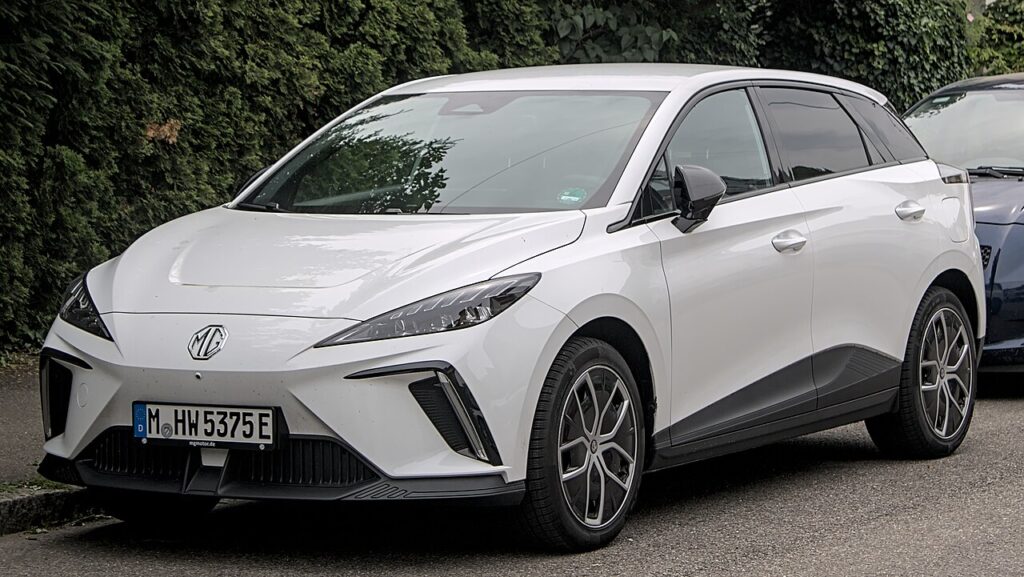
- Price: Starting at $38,990 plus on-road costs
- Range: Up to 450 km (WLTP)
- Battery: 64 kWh
- Overview: The MG4 is a sleek hatchback that offers a balance between performance and affordability. With a spacious cabin, advanced infotainment system, and impressive range, it’s suitable for both city commutes and longer journeys.
MG4 2025 Overview
The MG4 is a compact electric hatchback that has garnered attention for its affordability and feature-rich offerings in the Australian market.
Pros and Cons
Pros:
- Affordability: One of the most competitively priced EVs in Australia, making electric mobility more accessible.
- Feature-Rich: Comes equipped with a 10.25-inch touchscreen, Apple CarPlay and Android Auto compatibility, and a suite of advanced safety features.
- Safety: Achieved a 5-star ANCAP safety rating under the latest testing protocols.
- Range: Offers a WLTP range of up to 530 km in the Long Range variant.
- Warranty: Backed by a 10-year/250,000 km vehicle warranty.
Cons:
- Performance: While adequate for city driving, it may not satisfy those seeking high-performance acceleration.
- Interior Materials: Some interior plastics may feel less premium compared to competitors.
- Boot Space: At 363 liters, the boot space is smaller than some rivals.
MG4 ANCAP Safety Rating
The MG4 received a 5-star ANCAP safety rating in 2022, with the following scores:
- Adult Occupant Protection: 83%
- Child Occupant Protection: 86%
- Vulnerable Road User Protection: 75%
- Safety Assist: 81%
These results reflect strong performance in crash protection and the inclusion of advanced safety assist technologies.
Key Features
- Infotainment: 10.25-inch touchscreen with Apple CarPlay and Android Auto compatibility.
- Interior: Synthetic leather upholstery, ambient lighting, and a panoramic sunroof in higher trims.
- Safety: Includes autonomous emergency braking, lane-keeping assist, blind-spot monitoring, and rear cross-traffic alert.
- Performance: Rear-wheel drive with power outputs ranging from 125kW to 150kW, delivering 250Nm of torque.
MG4 Pricing
New Car Prices (Drive-Away):
- Excite 51: $34,888
- Essence 64: $43,690
- Long Range 77: $49,990
- XPower: $55,990
MG4 Used Car Prices:
As the MG4 was introduced to the Australian market in 2023, the used car market is still developing. However, early estimates suggest that used models may range between $30,000 and $35,000, depending on condition and mileage.
MG4 Owner Reviews
Owner feedback has been generally positive. Many praise the MG4 for its value and features, while some have noted areas for improvement. For instance, an owner review on CarExpert highlighted the MG4 as a “delightful drive” and “still competitively priced,” though also mentioning that cheaper variants are more fun to drive.
Summary Table
| Aspect | Details |
|---|---|
| Price (New) | $34,888 – $55,990 (drive-away) |
| Price (Used) | Estimated $30,000 – $35,000 |
| Range | Up to 530 km (WLTP) |
| ANCAP Rating | 5 Stars |
| Power Output | 125 kW – 150 kW |
| Warranty | 10 years/250,000 km vehicle warranty |
| Key Features | Touchscreen infotainment, synthetic leather seats, advanced safety tech |
4. Hyundai Inster
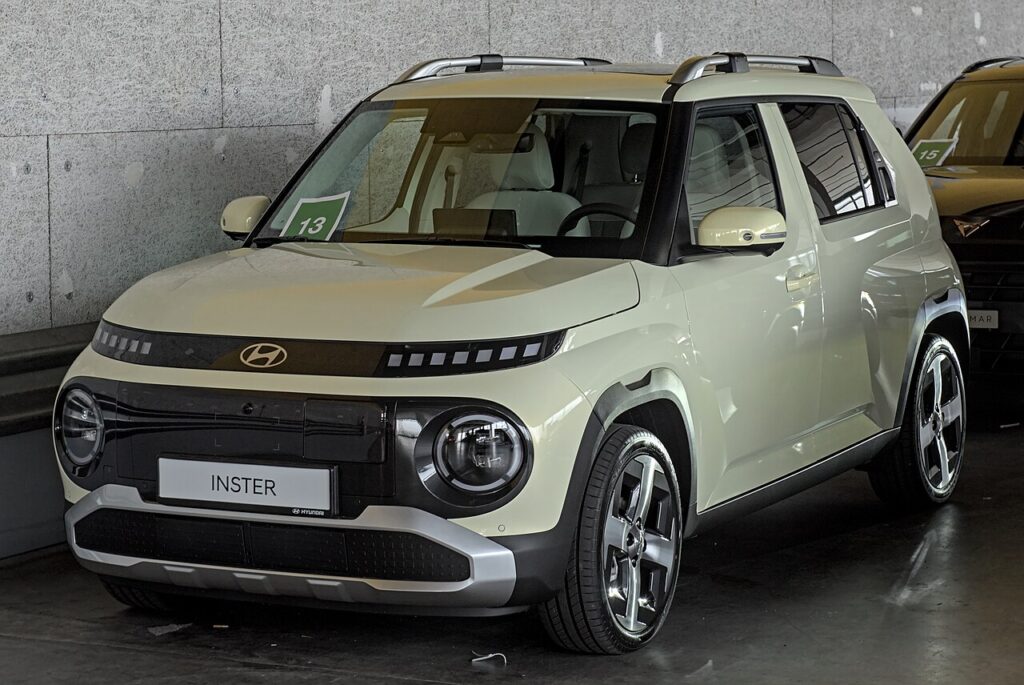
- Price: Estimated around $40,000
- Range: Up to 355 km (WLTP)
- Battery: 49 kWh
- Overview: The Hyundai Inster is a compact SUV designed for urban environments. It offers a modern interior, user-friendly technology, and efficient performance. Its compact size makes parking and maneuvering in city streets effortless.
The 2025 Hyundai Inster is Hyundai’s latest entry into the Australian electric vehicle (EV) market, offering a compact and affordable option for urban drivers.
Pros:
- Affordability: Starting at $39,000, the Inster is positioned as one of the more budget-friendly EVs in Australia.
- Compact Design: Its small footprint makes it ideal for city driving and tight parking spaces.
- Feature-Rich: Despite its size, the Inster comes equipped with dual 10.25-inch displays, wireless charging, and a suite of advanced safety features.
- Fast Charging: Supports DC fast charging up to 120kW, allowing for quick top-ups.
- Warranty: Backed by a 5-year/unlimited km vehicle warranty and an 8-year/160,000 km battery warranty.
Cons:
- Limited Space: With seating for four and a boot space ranging from 280L to 351L, it may not suit larger families or those needing ample cargo room.
- Performance: While adequate for city driving, its acceleration may feel modest compared to some competitors.
- ANCAP Rating: As of now, the Inster has not been tested by ANCAP, so its safety rating is pending.
Hyundai Inster ANCAP Safety Rating:
The Hyundai Inster has not yet been tested by ANCAP, so its safety rating is currently unavailable.
Key Features:
- Infotainment: Dual 10.25-inch digital displays with Apple CarPlay and Android Auto compatibility.
- Interior: Cloth upholstery made from recycled PET plastic, sliding rear seats, and optional heated/ventilated front seats.
- Safety: Includes autonomous emergency braking, lane-keeping assist, blind-spot monitoring, rear cross-traffic alert, and adaptive cruise control with stop-and-go functionality.
- Performance: Front-wheel drive with power outputs ranging from 71.1kW to 84.5kW, delivering 147Nm of torque.
Pricing:
- Standard Range: $39,000
- Extended Range: $42,500
- Cross Variant: $45,000
Used Car Prices:
As the Hyundai Inster is a new model, used car prices are not yet established.
Owner Reviews:
Initial reviews suggest that the Inster is well-received for its affordability and feature set, though some note its limited space and performance as potential drawbacks.
Summary Table:
| Aspect | Details |
|---|---|
| Price (New) | $39,000 – $45,000 |
| Price (Used) | Not yet available |
| Range | 327km – 360km (WLTP) |
| ANCAP Rating | Not yet tested |
| Power Output | 71.1kW – 84.5kW |
| Warranty | 5 years/unlimited km vehicle; 8 years/160,000 km battery |
| Key Features | Dual 10.25-inch displays, wireless charging, advanced safety features |
The Hyundai Inster offers a compelling package for those seeking an affordable and feature-rich electric vehicle tailored for urban environments.
5. Kia EV3
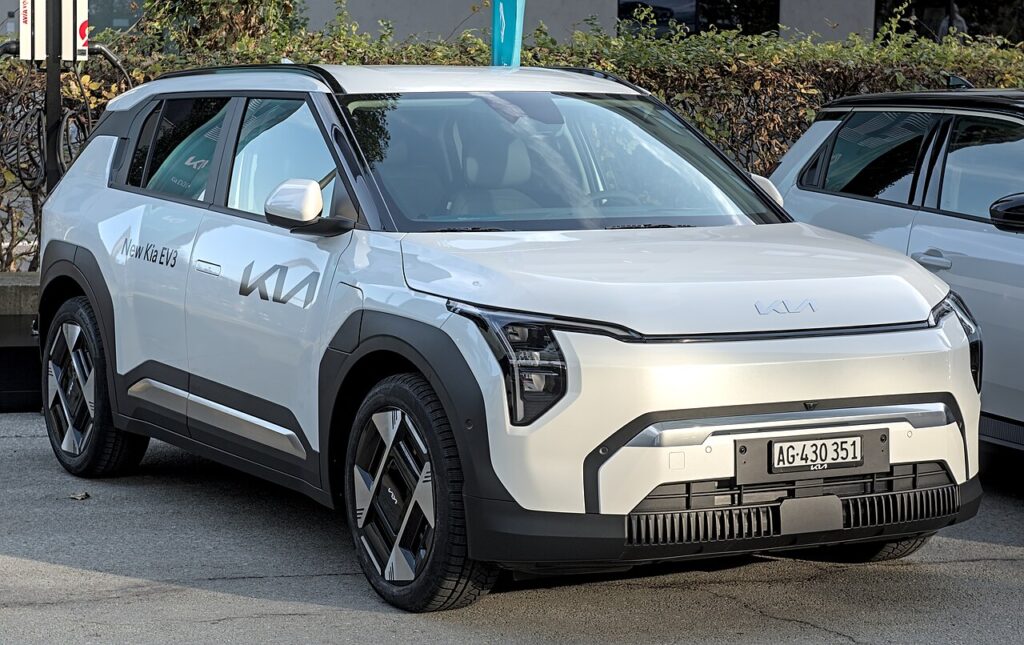
- Price: Starting from $35,000
- Range: Up to 400 km (WLTP)
- Battery: 58.3 kWh
- Overview: The Kia EV3 is a subcompact crossover SUV that combines style with practicality. It features a comfortable interior, advanced safety systems, and a respectable range, making it suitable for daily commutes and weekend getaways.
Kia EV3 – Budget-Friendly EV SUV with Long Range
The Kia EV3 enters the Australian market in 2025 as a compact electric SUV aiming to deliver value, safety, and range in a smart package. For those looking to combine practicality with low operating costs, this model could qualify as the cheapest electric car in its category by long-distance range and features.
Pros
- Affordable for a new long-range EV: Starting under $48,000, it’s competitive among compact SUVs.
- Impressive range: Offers up to 604 km (WLTP) in the Long Range variant—exceptional in the affordable segment.
- Feature-packed: Dual 12.3-inch displays, wireless Apple CarPlay and Android Auto, adaptive cruise control.
- Warranty coverage: 7-year/unlimited km vehicle warranty adds peace of mind for cost-conscious buyers.
Cons
- Not ANCAP tested yet: The 2025 Kia EV3 does not yet have an official ANCAP safety rating.
- Rear seat comfort: May feel cramped for taller passengers.
- Mild acceleration: Prioritizes efficiency over sporty performance.
Kia EV3 Pricing (Drive-Away)
- Air Standard Range: $47,600
- Air Long Range: $53,315
- Earth Long Range: $58,600
- GT-Line Long Range: $63,950
Used prices are not yet available due to its recent release.
Range and Performance
- Battery: Up to 81.4kWh
- Driving Range: Up to 604 km (WLTP)
- Motor: 150kW front-wheel drive
- Torque: 283Nm
Reliability and Safety Features
The Kia EV3 includes blind spot detection, lane centering, emergency braking, and rear cross-traffic alert. While reliability ratings are pending from large-scale Australian buyers, Kia’s EV platform has performed well in previous models like the EV6.
If you’re seeking the cheapest electric car that doesn’t compromise on tech, warranty, or range, the EV3 may be your next best move—especially for regional driving.
To compare its pricing and used alternatives, visit the Best Used Cars in Australia and Top Deals
Need help planning your EV purchase timeline? See Best Time to Buy a Used Car – Tips for Savvy Shoppers
Summary Table:
| Aspect | Details |
|---|---|
| Price (New) | $47,600 – $63,950 |
| Price (Used) | Not yet available |
| Range | Up to 604 km (WLTP) |
| ANCAP Rating | Not yet tested |
| Power Output | 150 kW |
| Warranty | 7 years/unlimited km vehicle warranty |
| Key Features | Dual 12.3-inch displays, wireless Apple CarPlay and Android Auto, advanced safety features |
The EV3 bridges the gap between budget and performance, helping define a new tier of the cheapest electric car options for Aussie families.
6. MG ZS EV
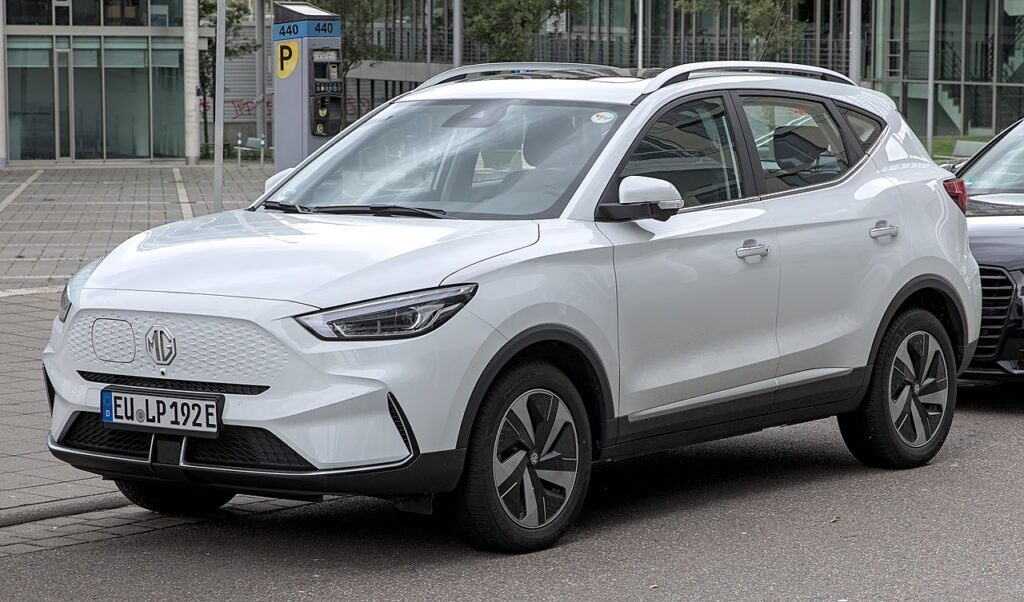
- Price: From $44,990 drive-away
- Range: Up to 320 km (WLTP)
- Battery: 50.3 kWh
- Overview: The MG ZS EV is a compact SUV that offers value for money. It comes with a spacious interior, user-friendly infotainment system, and a comfortable ride, making it a practical choice for families.
Certainly! Here’s a comprehensive overview of the 2025 MG ZS EV tailored for the Australian market, incorporating the focus keyword cheapest electric car and providing detailed specifications, features, and pricing.
2025 MG ZS EV: Australia’s Affordable Electric SUV
The 2025 MG ZS EV continues to solidify its position as one of Australia’s most accessible electric vehicles. With competitive pricing and a suite of features, it appeals to both first-time EV buyers and those seeking value without compromising on quality.
Key Specifications
- Powertrain: 130kW electric motor delivering 280Nm of torque
- Drivetrain: Front-wheel drive
- Battery Options:
- Standard Range: 51.1kWh battery offering up to 320 km (WLTP)
- Long Range: 72.6kWh battery offering up to 440 km (WLTP)
- Charging:
- AC Charging: Up to 11kW
- DC Fast Charging: Up to 80kW
MG ZS Pricing (Drive-Away)
- Excite: $39,990
- Essence: $43,990
- Long Range: $46,990
Note: Prices are subject to change and may vary based on location and dealer offers.
Features
- Infotainment: 10.1-inch touchscreen with Apple CarPlay and Android Auto
- Safety: Autonomous Emergency Braking, Lane Keep Assist, Blind Spot Monitoring, Rear Cross Traffic Alert
- Interior: Synthetic leather upholstery, panoramic sunroof (Essence and Long Range variants)
- Warranty: 7-year/unlimited km vehicle warranty; 8-year/160,000 km battery warranty
ANCAP Safety Rating
The MG ZS EV received a 5-star ANCAP safety rating in 2019. It’s important to note that safety standards have evolved, and newer models may be assessed under more stringent criteria.
Summary Table
| Feature | Specification |
|---|---|
| Price (Drive-Away) | $39,990 – $46,990 |
| Battery Capacity | 51.1kWh / 72.6kWh |
| Range (WLTP) | Up to 440 km |
| Power Output | 130kW |
| Torque | 280Nm |
| Charging | AC: 11kW / DC: 80kW |
| Safety Rating | 5-Star ANCAP (2019) |
| Warranty | 7 years/unlimited km (vehicle) |
| 8 years/160,000 km (battery) |
The 2025 MG ZS EV stands out as a compelling option for those seeking the cheapest electric car in Australia without sacrificing essential features and safety. Its combination of affordability, range, and practicality makes it a strong contender in the growing EV market.
Need a dependable and affordable SUV that’s perfect for families? Don’t miss our guide to the Best SUVs Under $10000 in Australia (2025): Reliable, Affordable, and Family-Friendly Picks — it’s packed with insights to help you choose wisely.
7. Nissan Leaf (Used)
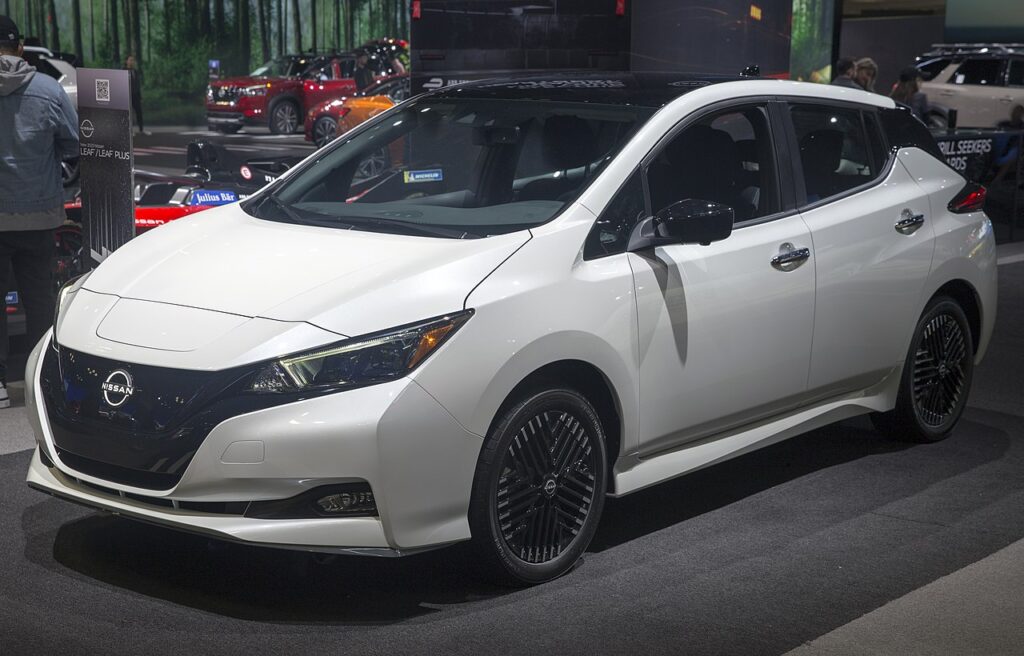
- Price: Approximately $25,000 (used)
- Range: Up to 270 km (WLTP)
- Battery: 40 kWh
- Overview: The Nissan Leaf has been a pioneer in the electric vehicle market. Opting for a used Leaf can be a cost-effective way to own an EV, offering reliability and a proven track record. It’s ideal for city driving and short commutes.
The 2025 Nissan Leaf marks a significant evolution in Nissan’s electric vehicle lineup, transitioning from a hatchback to a sleek crossover SUV. Built on the CMF-EV platform, shared with the Nissan Ariya, the new Leaf is designed to offer enhanced aerodynamics, increased interior space, and a substantial improvement in driving range.
Key Specifications
- Platform: CMF-EV (Common Module Family – Electric Vehicle)
- Body Style: Crossover SUV
- Drivetrain: Front-wheel drive
- Battery Options:
- Standard Range: Approximately 66 kWh
- Extended Range: Approximately 91 kWh
- Estimated Range: Up to 600 km (WLTP)
- Charging:
- AC Charging: Up to 11 kW
- DC Fast Charging: Up to 130 kW
Features
- Interior:
- Spacious cabin with increased legroom and cargo space
- High-quality materials and finishes
- Advanced infotainment system with a large touchscreen display
- Safety:
- Advanced Driver Assistance Systems (ADAS)
- Autonomous Emergency Braking (AEB)
- Lane Departure Warning (LDW)
- Blind Spot Monitoring (BSM)
- Connectivity:
- Wireless Apple CarPlay and Android Auto
- Over-the-air (OTA) software updates
- Integration with NissanConnect services
Nissan leaf Pricing and Availability
- Estimated Starting Price: Approximately $50,000 AUD (subject to change upon official release)
- Australian Launch: Expected in mid-2026
Summary Table
| Feature | Specification |
|---|---|
| Platform | CMF-EV |
| Body Style | Crossover SUV |
| Drivetrain | Front-wheel drive |
| Battery Options | ~66 kWh (Standard), ~91 kWh (Extended) |
| Estimated Range | Up to 600 km (WLTP) |
| Charging | AC: Up to 11 kW, DC: Up to 130 kW |
| Safety Features | AEB, LDW, BSM, ADAS |
| Connectivity | Wireless Apple CarPlay, Android Auto, OTA |
| Starting Price | ~$50,000 AUD |
| Availability | Mid-2026 in Australia |
The 2025 Nissan Leaf’s transformation into a crossover SUV aligns with the growing consumer preference for higher-riding vehicles that offer practicality without compromising efficiency. With its anticipated range exceeding 500 km, the new Leaf positions itself as a competitive option in the electric SUV market, offering a blend of performance, technology, and sustainability.
Note: All specifications and features are based on available information as of May 2025 and are subject to change upon official release.
Used vs New – What’s Better for Budget EV Buyers?
When shopping for the cheapest electric car in Australia, one of the biggest decisions is whether to buy new or go with a second-hand EV. While new models offer the latest tech and warranty peace of mind, used electric cars can save you thousands—and many still have years of battery life left.
Buying a New Electric Car
New EVs like the BYD Dolphin or MG4 are becoming increasingly affordable. They often qualify for government rebates and offer cutting-edge safety and infotainment systems. New vehicles also come with full warranties, including battery coverage (often 8 years), making them a solid long-term investment.
However, even the cheapest electric car in the new segment can still cost over $30,000–$40,000 after on-road costs, which may stretch your budget.
Choosing your first car is a big decision. Explore our guide to the Best First Car Australia 2025 – Reliable, Safe, Affordable to make sure your first set of wheels ticks all the right boxes.
Going for a Used EV
Used EVs—like the Nissan Leaf or Hyundai Ioniq—can be found for under $30,000. Many of these models are still in excellent condition with minimal wear due to the simpler mechanics of electric drivetrains.
Websites like AusCarSales Used Listings frequently showcase well-priced used electric vehicles that compete head-to-head with new budget options. If your top priority is to own the cheapest electric car, this is where to start.
Key Considerations for Used EVs
- Battery health: Always check State of Health (SOH) before buying
- Charging compatibility: Ensure it supports common ports in Australia
- Software updates: Older EVs may lack newer features or app support
- Rebates: Most state incentives don’t apply to used EVs
Verdict:
- Choose new if: You want warranty coverage, latest tech, and rebates
- Choose used if: Budget is tight, and you’re looking for the absolute cheapest electric car with decent specs
Tips for Buying the Cheapest Electric Car in Australia
Buying the cheapest electric car can be a smart financial move, but without the right preparation, you might miss key savings or overlook crucial details. Here are the most practical, Australia-specific tips to help you confidently find and buy the right budget EV.
1. Set a Realistic Budget (All Costs Included)
While some new EVs start under $40,000, remember to factor in on-road costs, charging station setup (if needed), and optional upgrades. If you’re aiming for the cheapest electric car, consider models with low service costs and good resale value. You can explore current pricing trends and deals on our Best Cars Under $10K in Australia page for budget benchmarks.
2. Inspect Battery Health for Used EVs
For second-hand EVs, always check the State of Health (SOH) of the battery. This gives you an idea of current battery capacity compared to when the car was new. The battery is the heart of an electric vehicle, and replacing it is expensive—so this step is critical when choosing a cheap electric car on the used market.
3. Prioritise Practical Range for Your Driving Needs
If you only drive within your city or suburb, you may not need more than 250–300 km of range. This opens the door to models like the GWM Ora or a used Nissan Leaf—still among the cheapest electric cars that meet basic daily needs.
4. Use Filters When Searching for EVs Online
To narrow your search quickly, use filters like “fuel type: electric,” price limits, and model years on AusCarSales’ car listings. This helps you avoid wasting time and focus only on affordable EVs that match your budget and lifestyle.
5. Don’t Overpay for Features You Don’t Need
While it may be tempting to go for the latest tech, you might find the cheapest electric car that suits your needs with just the basics: good range, safety features, and comfortable seating. Focus on value, not just flash.
6. Compare Listings Before You Commit
Prices vary dramatically by region, dealer, and model year. Use our marketplace to compare deals, or visit the 20 Best Places to Buy a Used Car in Australia to make smarter choices before signing anything.
7. Understand Financing and Warranty Options
Many new EVs come with extended battery warranties. If you’re financing your purchase, make sure the interest rates don’t eliminate the savings of driving a cheap EV. Check for certified used programs when buying second-hand to reduce risk.
Cheapest Electric Car by Use Case – Which One Fits You Best?
Not every driver is the same—and neither is every EV. Choosing the cheapest electric car depends heavily on your lifestyle, driving habits, and preferences. In this section, we break down the best affordable electric car options in Australia by specific use cases so you can make a more personalized and cost-effective choice.
Best Cheap Electric Car for City Driving
Winner: BYD Dolphin
- Compact, easy to park, and quick off the mark in traffic
- 340 km range is more than enough for weekly metro commutes
- One of the lowest starting prices on the market
If your driving is mostly local, the cheapest electric car for city use is hands down the BYD Dolphin. Its size and price make it ideal for navigating inner-city areas without worrying about high fuel costs or tight parking spots.
For more small and economical options, visit our guide to the Best Small Cars to Buy – Economical and Reliable.
Best Cheap Electric Car for Families
Winner: MG ZS EV Excite
- Spacious enough for small families
- 5-star ANCAP safety rating
- SUV practicality with affordable pricing
The MG ZS EV offers the space and security families need, without stretching the budget. If you’re looking for the cheapest electric car that still accommodates child seats, groceries, and prams—this SUV should be high on your list.
You can also see how it stacks up against others in our article on the 5 Best Family Cars for Long Distance Travel in 2025.
Best Cheap EV for Long-Distance Travel
Winner: MG4 Excite 64kWh
- Range up to 450 km on a single charge
- Hatchback form factor but long-distance power
- Advanced driver assistance systems for highway cruising
While it’s slightly pricier than the absolute bottom-tier models, the MG4 still qualifies as an affordable electric car given its impressive range and features. If your regular trips include highway runs, this is your best bet under $45K.
Planning road trips? Read our full analysis on Best Cars for Long Distance Travel in Australia.
Best Second Car (Low Daily Use)
Winner: Renault Zoe (Used)
- Cheapest second-hand EV on the market
- Easy to maintain and operate
- Ideal for errands, school runs, and short trips
For households looking to add an electric vehicle as a second car, the Renault Zoe offers incredible value. As one of the cheapest electric cars in Australia’s used market, it serves reliably without the financial strain of a new purchase.
We covered more on second-hand reliability in 5 Best Reliable Used Cars Under $10K.
Cheapest EV with Low Insurance Cost
Winner: Hyundai Ioniq Electric (Used)
- Proven record of low claim risk
- Consistent resale value
- Cheaper comprehensive premiums than other EVs
Insurance on EVs can vary widely. Among affordable options, the Hyundai Ioniq typically ranks lower in risk categories, which translates to cheaper premiums—making it one of the best options for overall cost-conscious ownership.
You may also be interested in How to Manage Car Insurance Claims – Step-by-Step Guide.
This breakdown helps illustrate that there is no one-size-fits-all when it comes to the cheapest electric car. Your best option depends not just on price, but on how you plan to drive it.
Cheapest Electric Car Ownership Costs in Australia – What to Expect
Owning the cheapest electric car goes beyond the purchase price. You’ll want to understand how much it actually costs to run, maintain, and keep on the road. Here’s a detailed breakdown of what it really costs to own a budget EV in Australia in 2025.
Car Charging Costs (Home vs Public)
Electricity is significantly cheaper than petrol. On average:
- Home charging (off-peak rate): $0.25/kWh
- Public fast charging: $0.40–$0.60/kWh
For a cheapest electric car like the BYD Dolphin with a 44.9 kWh battery:
- Home charge cost: ~$11 per full charge
- Range: ~340 km
- Cost per 100 km: ~$3.20
That’s less than one-tenth the cost of fueling a petrol car for the same distance.
Want to reduce fuel costs even more? Learn from our guide: How to Find the Cheapest Fuel in Australia
EV Maintenance and Servicing
Electric cars have fewer moving parts. No oil changes. No spark plugs. No timing belts.
Typical annual service costs:
- Petrol cars: $600–$900
- EVs: $250–$400
Models like the MG ZS EV and Nissan Leaf are among the lowest maintenance EVs, keeping ownership costs minimal. If you’re shopping for the cheapest electric car to own long-term, this cost difference adds up quickly.
Need help maintaining your EV’s battery? Read our resource on Tips for Maintaining Your Car’s Battery Life
Electric Car Depreciation and Resale Value
EVs used to depreciate faster than petrol cars—but that’s changing. As electric infrastructure improves and second-hand demand rises, models like the Hyundai Ioniq and MG4 are showing solid resale performance.
Depreciation rates (over 5 years):
- Entry-level petrol car: ~45–50%
- Budget EV like MG4: ~35–40%
- Used Nissan Leaf: ~30% (already depreciated)
The cheapest electric car can actually hold value better if purchased used, due to slower ongoing depreciation.
Learn how to minimize value loss in Understanding Car Depreciation – Maximise Resale
EV Registration and Road Costs
Some states offer:
- Discounted EV registration
- Stamp duty exemptions
These benefits are typically available for new EVs under a certain price cap (e.g. $68,000 in NSW). Many of the cheapest electric cars easily qualify for these savings.
Want to time your car purchase right? Read Best Time to Buy a Used Car – Tips for Savvy Shoppers
Combined, these factors make EV ownership far more affordable than most assume. Choosing the cheapest electric car isn’t just about getting a low price—it’s about enjoying ongoing savings year after year.
What to Avoid When Buying a Cheap Electric Car?
Buying the cheapest electric car can be a smart decision—but not if you fall into common traps. Many buyers overlook essential factors that can lead to regret, unexpected costs, or poor long-term performance. Here’s what to watch out for when shopping for a budget EV in Australia.
1. Ignoring Battery Health on Used EVs
The battery is the most expensive component of an electric vehicle. If you’re buying a second-hand EV, always check the battery’s State of Health (SOH). A healthy battery should retain at least 80% of its original capacity. Avoid any listing that doesn’t provide battery health diagnostics.
For a reliable used car checklist, refer to our guide on how to avoid mistakes when buying: Common Mistakes to Avoid When Buying a Used Car
2. Falling for Grey Imports
Some dealers offer imported EVs at lower prices—but many of these are grey imports. These vehicles may lack local warranty support, certified repair access, and compatibility with Australian charging networks. Stick to Australian-delivered models whenever possible.
3. Overpaying for Old Tech
Just because it’s cheap doesn’t mean it’s worth it. Older EVs from 2012–2016 often lack modern range, safety, and compatibility with new charging standards. Don’t compromise usability for price. The cheapest electric car should still meet your practical needs today and a few years from now.
4. Ignoring Local Support and Spare Parts
Make sure the brand has active support in Australia. Some imported EV brands have limited service centres or longer wait times for parts, which can affect your experience and resale value.
5. Skipping On-Road Cost Calculations
A car listed at $39,990 might seem like the cheapest electric car in its class, but without including stamp duty, registration, and insurance, you might exceed your budget. Always calculate the drive-away price.
You can explore transparent pricing and drive-away listings at Sell Your Car Online with AusCarSales – Hassle-Free Solutions
6. Ignoring Charging Compatibility
Not all EVs use the same plugs. Make sure the vehicle supports Type 2 (AC) and CCS (DC fast charging) ports, which are standard in Australia. Outdated charging types can lead to limited usability and higher costs.
Hidden Gems – Cheapest EVs by Niche Segment
In this section, we’ll explore some of the most affordable electric vehicles (EVs) in Australia for 2025, focusing on specific niches and use cases. This will help you identify the best options tailored to your needs.
Best Small Electric Car: Hyundai Inster
The Hyundai Inster, also known as the Casper Electric in some markets, is a compact EV designed for urban environments. With a starting price under $40,000, it offers a range of up to 355 km and features like quick charging capabilities, making it ideal for city dwellers seeking an affordable and efficient vehicle.
Cheapest 300-Mile EV: Kia EV3 Long Range
The Kia EV3 Long Range variant provides an impressive range of up to 600 km, making it one of the most affordable EVs with such extensive range capabilities. Priced under $50,000, it combines practicality with advanced features, catering to those who require longer driving distances without frequent charging stops.
Cheapest Used Electric Car: Nissan Leaf
For those considering second-hand options, the Nissan Leaf stands out as a reliable and cost-effective choice. With used models available under $30,000, it offers a range of up to 270 km and benefits from a well-established service network in Australia.
Cheapest Electric SUV: MG S5 EV
The MG S5 EV, also known as the MG ES5 in some regions, is a compact crossover SUV offering a balance between affordability and functionality. With a starting price around $40,000, it provides a range of up to 525 km, making it suitable for families and those needing extra space.
Cheapest Plug-In Hybrid: BYD Shark 6
The BYD Shark 6 is a plug-in hybrid vehicle combining electric and petrol power, offering flexibility for various driving conditions. Priced at approximately $60,000, it caters to those seeking an affordable entry into hybrid technology with the added benefit of extended range.
Charging on a Budget – Cheapest EV Charging Options in Australia
Owning the cheapest electric car is just the beginning. To truly maximize savings, understanding the most cost-effective charging options available in Australia is essential. Here’s a comprehensive guide to help you navigate the landscape of EV charging in 2025.
Home Charging: The Most Economical Choice
Charging your EV at home remains the most affordable option. Depending on your electricity plan, costs can vary:
- Off-peak rates: Charging during off-peak hours can cost as low as $0.20 to $0.30 per kWh. For a standard 55kWh battery, this translates to approximately $11 to $16 for a full charge.
- Solar integration: Utilizing solar panels can further reduce costs. Charging your EV using solar energy can bring the cost down to nearly zero, especially if charging during peak sunlight hours.
It’s important to consult with your energy provider to explore time-of-use plans that offer lower rates during specific periods.
Public EV Car Charging: Convenience at a Cost
While public charging stations offer convenience, they come at a higher price:
- Fast chargers: Typically range from $0.40 to $0.70 per kWh. For a 60kWh battery, expect to pay between $24 and $42 for a full charge.
- Network variations: Different charging networks have varying rates. For instance, some networks offer membership plans that provide discounted rates.
It’s advisable to plan your routes and identify charging stations in advance to avoid unexpected costs.
Government Incentives and Rebates EV’s
The Australian government offers various incentives to promote EV adoption:
- Rebates: Some states provide rebates for the installation of home charging stations, which can offset initial setup costs.
- Tax benefits: Certain EV models are eligible for tax exemptions, reducing the overall cost of ownership.
Staying informed about available incentives in your region can lead to significant savings.
Tips for Cost-Effective EV Car Charging
- Monitor energy rates: Keep an eye on electricity prices and adjust your charging schedule accordingly.
- Utilize apps: Use mobile applications to locate the most affordable charging stations along your route.
- Regular maintenance: Ensure your EV and charging equipment are well-maintained to optimize efficiency.
By strategically managing your charging habits and taking advantage of available resources, you can significantly reduce the operational costs of your EV.
EV Battery Warranties & Replacement Costs in Australia (2025)
| Model | Battery Warranty | Estimated Replacement Cost (AUD) |
|---|---|---|
| BYD Dolphin | 8 years / 160,000 km | $12,180 – $13,500 |
| MG ZS EV | 10 years / 250,000 km | $10,150 – $11,000 |
| MG4 | 10 years / 250,000 km | $10,000 – $12,000 |
| Nissan Leaf | 8 years / 160,000 km | $5,000 – $8,500 |
Detailed Breakdown
BYD Dolphin
- Warranty: 8 years or 160,000 km for the high-voltage battery.
- Replacement Cost: Estimated between $12,180 and $13,500, depending on battery size and labor costs.
MG ZS EV
- Warranty: 10 years or 250,000 km, covering both the vehicle and the high-voltage battery.
- Replacement Cost: Approximately $10,150 to $11,000, based on current battery production costs.
MG4
- Warranty: 10 years or 250,000 km, including the high-voltage battery.
- Replacement Cost: Estimated between $10,000 and $12,000, varying with battery capacity and labor charges.
Nissan Leaf
- Warranty: 8 years or 160,000 km, covering defects and capacity loss below 9 bars on the capacity gauge.
- Replacement Cost: Ranges from $5,000 to $8,500, depending on battery size and service provider.
Key Takeaways
- Warranty Coverage: Most EVs offer battery warranties ranging from 8 to 10 years, with MG providing one of the longest at 10 years or 250,000 km.
- Replacement Costs: Battery replacement remains a significant expense, often ranging between $5,000 and $13,500, depending on the model and battery size.
- Battery Longevity: EV batteries are designed to last the duration of the warranty period, with many exceeding it. Regular maintenance and proper charging habits can extend battery life.
Conclusion. Which Cheapest Electric Car Should You Buy?
The EV market in Australia is evolving fast, and for 2025, buyers have more access to affordable electric vehicles than ever before. Whether you’re after a new compact hatch or a used family-friendly SUV, the cheapest electric car for your needs is now within reach.
Here’s a quick summary of our top picks by category:
- Overall Cheapest New EV: BYD Dolphin
- Best for Families: MG ZS EV
- Longest Range for the Price: MG4 Excite 64kWh
- Best Used EV Under $30K: Nissan Leaf
- Best City EV: Renault Zoe
- Lowest Ownership Cost: Hyundai Ioniq (used)
The affordability of these vehicles isn’t just in their purchase price—but in their fuel savings, maintenance costs, and eligibility for registration discounts. For many Australians, owning an electric vehicle is no longer just an environmental choice—it’s a financially smart one.
This guide has covered everything from use cases to real ownership costs, top-performing models, and the traps to avoid—designed to help you find the cheapest electric car that fits your budget and lifestyle.
Best Affordable Electric SUVs in Australia with Exceptional Customer Service
For many EV buyers in Australia, price isn’t the only deciding factor — after-sales support and customer experience can make or break long-term satisfaction. When something goes wrong with a vehicle, how the brand responds often matters more than the initial purchase price.
Fortunately, several affordable all-electric SUVs under $50,000 are earning a reputation for exceptional customer service, strong warranty support, and trustworthy ownership experiences.
This is especially important for first-time EV buyers who want both innovation and peace of mind.
Which Compact All-Electric SUV Cars in Australia Under $50K Offer the Best Service When Something Goes Wrong?
Some electric SUVs stand out not just for their tech but for the way their brands handle problems.
- Hyundai Kona EV – Hyundai’s after-sales service network is one of the most extensive in Australia, with capped-price servicing and nationwide coverage.
- BYD Atto 3 – BYD has invested heavily in building a responsive customer support network and strong mobile service response for EV owners.
- MG ZS EV – MG’s competitive pricing is matched with an impressive 7-year unlimited kilometre warranty, making it a strong choice for budget-conscious buyers.
- GWM Ora – A newer entrant that has gained early praise for prompt warranty handling and friendly customer engagement.
These brands have made customer support a core part of their EV strategy, which helps them build trust quickly in a growing segment.
Which EV Brands Are Renowned for Great Customer Experience?
Customer experience goes beyond servicing. It includes ease of communication, transparency, digital support, and the ownership journey.
- Hyundai consistently ranks high in customer satisfaction surveys thanks to smooth service scheduling and proactive maintenance reminders.
- BYD has focused on building EV-specific support — including charging help and software updates.
- MG offers flexible servicing through its growing dealer network and online customer portals.
For buyers comparing multiple affordable EVs, these brands often provide fewer headaches and faster resolution times than some legacy automakers.
Why Customer Experience Matters More in EVs
EVs are simpler mechanically than petrol cars, but they rely heavily on software and charging infrastructure. This means:
- Software updates and diagnostics are often done remotely.
- A responsive service network can prevent small problems from becoming costly ones.
- Transparent communication gives confidence to first-time EV owners.
For many drivers, buying an EV isn’t just a purchase — it’s a long-term commitment to a new kind of mobility. Choosing a trusted brand ensures that commitment stays stress-free.
If you’re planning to sell or trade your vehicle in the future, a good brand reputation for service can also help you attract more serious buyers online. Using platforms designed to simplify this process, such as free car sales ads in Australia, can give your listing extra visibility and trust.
EV Customer Service Comparison Snapshot
| Model | Warranty | Service Network | Owner Experience Rating | Customer Service Strength |
|---|---|---|---|---|
| Hyundai Kona EV | 5 yrs (extendable) | Nationwide | 9/10 | Trusted network, strong service reliability |
| BYD Atto 3 | 7 yrs battery / 6 yrs vehicle | Growing fast | 8.5/10 | Fast support, EV-focused solutions |
| MG ZS EV | 7 yrs unlimited km | Expanding | 8/10 | High warranty value, reliable dealer network |
| GWM Ora | 7 yrs warranty | Regional expansion | 7.5/10 | Early praise, improving dealer coverage |
Owner experience scores are based on aggregated consumer reports and market reputation as of 2025.
Planning to Sell or Upgrade Later?
Strong customer service doesn’t just make ownership easier — it boosts resale value. A well-maintained EV with a trusted service record sells faster online. Many owners list their vehicles on trusted platforms with optimized visibility through online car advertising, making it easier to find genuine buyers.
EVs with the Best Charging Infrastructure Support Under $50K
When buying an electric SUV, the charging experience can make or break daily usability. Unlike traditional cars, owning an EV means relying on public and home charging infrastructure to keep your vehicle running efficiently.
Fortunately, several affordable compact EVs under $50,000 stand out for their charging speed, network compatibility, and ease of use. These models are designed with both first-time EV buyers and daily commuters in mind, making them some of the smartest choices on the Australian market right now.
Which EVs Stand Out for Their Charging Infrastructure?
Some EV brands have made charging capability a core part of their product strategy. These models don’t just offer impressive range — they also make charging faster, easier, and more convenient.
- BYD Atto 3 – Compatible with a wide range of DC fast chargers across Australia and known for its smooth charging performance on networks like Evie and Chargefox.
- Hyundai Kona EV – Offers reliable charging speeds and integrates well with most public chargers nationwide.
- MG ZS EV – One of the most affordable EVs with dependable AC and DC charging support.
- GWM Ora – Newer to the market but already proving popular for its flexibility and compatibility with standard charging networks.
All four models can be charged at home overnight or topped up in less than an hour using rapid public charging stations.
Why Charging Infrastructure Matters When Buying a Cheap EV
One of the biggest concerns for EV buyers is range anxiety — the fear of running out of battery far from a charger. That’s why choosing an EV with strong charging infrastructure support is critical. It ensures:
- Faster charging times on compatible DC chargers
- Reliable coverage for long drives between cities
- Seamless integration with major networks like Tesla Superchargers (where supported), Evie, and Chargefox
- More flexible ownership without needing expensive charging upgrades at home
This factor is often just as important as range or price when selecting the best electric SUV in Australia.
Top Compact EVs Under $50K by Charging Capability
| Model | Charging Speed (DC Max) | Charger Compatibility | Home Charging | Public Charging Network Support | Charging Experience |
|---|---|---|---|---|---|
| BYD Atto 3 | 80 kW | CCS2 / Type 2 | 7 kW AC | Evie, Chargefox, Tesla (limited) | Excellent |
| Hyundai Kona EV | 75 kW | CCS2 / Type 2 | 7.4 kW AC | All major networks | Excellent |
| MG ZS EV | 80 kW | CCS2 / Type 2 | 6.6 kW AC | Evie, Chargefox | Very Good |
| GWM Ora | 64 kW | CCS2 / Type 2 | 6.6 kW AC | Evie, Chargefox | Good |
Charging speeds may vary depending on temperature, battery level, and charger output.
These charging capabilities make longer road trips and everyday commutes a lot easier — even without owning a home fast charger.
For example, pairing a vehicle like the BYD Atto 3 with growing national fast-charging networks gives buyers an ownership experience similar to far more expensive EVs.
Planning for Future Charging Network Growth
Australia’s EV charging network is expanding rapidly, with hundreds of new public fast chargers being installed nationwide. As the infrastructure improves, affordable EVs are becoming more practical and attractive.
Models that already support universal charging standards will be future-ready, allowing buyers to get more value over time. When comparing options, it’s smart to look at how well each model aligns with national network compatibility and charging flexibility.
If you’re exploring the broader SUV market alongside EVs, checking out comprehensive guides like Best SUV in Australia and Best SUVs 2025 can help you compare features, comfort, and practicality side by side.
Tips for Buyers Choosing an EV Based on Charging
- Check your local charger availability: Use apps like PlugShare to see what networks are near you.
- Look at charging speed, not just battery size: Faster charging means less waiting time.
- Future-proof your purchase: Pick models using universal standards like CCS2 and Type 2 connectors.
- Factor in resale value: EVs with good charging support tend to hold their value better.
When you eventually decide to upgrade or sell, using platforms designed for easy exposure — like best site to sell a car in Australia — can help you find the right buyer faster, especially if your EV model has proven charging convenience.
Cheapest Electric Car in Australia – Real Savings, Not Just Marketing
The cheapest electric car in Australia is no longer a niche choice — it’s fast becoming the smart option for everyday drivers. With rising petrol prices and expanding charging infrastructure, more Australians are turning to budget-friendly EVs that deliver real savings, not just flashy marketing.
What’s changed in 2025 is that you can now buy the cheapest electric car in Australia and still enjoy solid range, fast charging, low running costs, and a surprisingly comfortable driving experience.
Which Compact EVs Offer Genuine Savings Under $50K?
Some electric SUVs and hatchbacks have made a name for themselves not just because of their low price but because they genuinely save money long term. These models combine affordable purchase prices with low servicing and energy costs, making them ideal for daily commutes, family use, or ride-share driving.
- MG ZS EV – One of the most affordable entry points into the EV market, with great warranty coverage and low servicing costs.
- BYD Atto 3 – Often compared with larger EVs but at a more accessible price, offering excellent value for its features.
- GWM Ora – A fun, quirky EV that has surprised buyers with its strong value proposition and good charging compatibility.
- Hyundai Kona EV (base) – Slightly pricier but still competitive for those who want a proven, reliable EV with strong after-sales support.
These models regularly appear on lists of the cheapest electric car options in the country — not because they cut corners, but because they deliver more for less.
Cheapest Electric Car Ownership Costs in 2025
| Model | Starting Price (Drive Away) | Annual Running Cost* | 5-Year Estimated Savings vs Petrol | Warranty |
|---|---|---|---|---|
| MG ZS EV | $44,990 | $850 | $6,500 | 7 years |
| GWM Ora | $43,990 | $870 | $6,200 | 7 years |
| BYD Atto 3 | $48,011 | $900 | $5,800 | 7 years battery |
| Hyundai Kona EV | $49,500 | $910 | $5,500 | 5 years |
*Running cost estimate includes home charging, servicing, and registration. Fuel savings based on average 15,000 km/year.
Unlike most petrol or diesel vehicles, the cheapest electric car models typically cost less to maintain and have fewer moving parts — no oil changes, no timing belts, and fewer mechanical failures.
How the Cheapest Electric Car Saves You Money Over Time
- Lower energy costs – Charging at home overnight can be 70–80% cheaper than refuelling with petrol.
- Reduced servicing bills – EVs require fewer scheduled services.
- Government incentives – Some states offer registration discounts or rebates for EV buyers.
- Better resale potential – Demand for affordable EVs is rising, keeping prices stable.
- Smart charging – Compatible with expanding fast-charging networks, lowering downtime.
Even if the initial price is similar to a petrol SUV, the total cost of ownership of the cheapest electric car is significantly lower over five years.
Budget EV Cars vs Petrol SUVs: A Realistic Comparison
For buyers deciding between a budget EV and a mid-range petrol SUV, the numbers often speak louder than marketing slogans. The cheapest electric car models can save thousands in fuel alone, especially if you drive daily.
If you’re comparing EVs with more traditional SUVs, guides like Best SUV in Australia and Top 10 Best Hybrid SUV in Australia can help you assess the balance between technology, efficiency, and comfort.
Selling and Upgrading Later
Because of strong demand, the cheapest electric car models often retain solid resale value, especially if they have a clean service history and popular charging compatibility.
When you decide to sell or upgrade, platforms like best site to sell a car in Australia make it easier to connect with buyers looking specifically for affordable EVs.
Best EVs Under $50K with Smart Apps and Tech Features
For many buyers of affordable EVs, the driving experience goes beyond the wheels. Features like smartphone connectivity, real-time charging data, intelligent route planning, and remote vehicle control have become just as important as range or price.
That’s why some of the best EVs under $50,000 in Australia stand out not just for their value, but for their user-friendly apps, software innovation, and overall technology ecosystem. These features make everyday driving smoother, smarter, and more enjoyable.
Which EVs Are Known for the Best Websites or Apps?
Not all EV apps are created equal. Some brands provide intuitive, well-designed apps that allow owners to monitor battery health, start or stop charging remotely, and control climate settings before stepping into the car.
- BYD Atto 3 – Known for its responsive mobile app and intuitive interface. It allows drivers to schedule charging, monitor energy use, and control features remotely.
- Hyundai Kona EV – Uses the Bluelink app, which is among the most polished in the EV segment, offering excellent integration with Apple and Android systems.
- MG ZS EV – The MG iSmart app offers remote locking, vehicle status tracking, and scheduled charging.
- GWM Ora – A newer app that’s easy to navigate and designed with first-time EV owners in mind.
These apps give buyers of budget EV cars access to premium features that were once exclusive to luxury electric vehicles.
EV Technology That’s Changing Everyday Driving
Beyond apps, many of these models also come equipped with advanced infotainment systems, over-the-air updates, and smart energy management tools.
Key innovations in affordable EVs today include:
- Real-time charging and route planning with charger integration.
- Cabin pre-conditioning via smartphone (heating or cooling the car remotely).
- Automatic battery health monitoring.
- OTA (over-the-air) software updates.
- Voice assistant integration for hands-free control.
This kind of technology reduces ownership complexity, making EVs easier to live with on a daily basis — even for drivers making the switch from petrol vehicles for the first time.
Technology Comparison of the Best EV Apps Under $50K
| Model | App Name | Remote Functions | OTA Updates | Navigation Integration | App Usability |
|---|---|---|---|---|---|
| BYD Atto 3 | BYD App | Charge scheduling, remote lock | Yes | Yes | Excellent |
| Hyundai Kona EV | Bluelink | Climate control, charging | Yes | Yes | Excellent |
| MG ZS EV | iSmart | Vehicle status, alerts | Partial | Yes | Good |
| GWM Ora | Ora Connect | Basic remote control | Partial | Limited | Good |
What makes these apps powerful is how they seamlessly support real-world driving. Owners can check their battery levels in the morning, pre-heat or pre-cool the cabin, and plan a route with fast chargers — all before leaving the house.
Why Tech Experience Matters in Affordable EVs
Many buyers looking for the cheapest electric car don’t want to compromise on modern features. A good app and in-car technology experience:
- Reduces charging stress and range anxiety
- Saves time on everyday commutes
- Makes long trips easier with smart charger routing
- Keeps the car software updated without expensive dealership visits
- Adds resale value since tech is a top buyer priority
When comparing these tech-focused models with petrol SUVs, using guides like Best SUV in Australia or Best SUVs 2025 helps highlight just how far EV convenience has come at an affordable price point.
Cheapest EV Australia 2025 – Full Price Guide and Top Picks
The demand for cheap EVs in Australia has grown rapidly over the past two years, with more brands competing in the under $50,000 price bracket than ever before. This means buyers no longer need to compromise on quality or features to get behind the wheel of the cheapest electric car.
Whether you’re looking for the best small EV in Australia for city driving or an affordable compact SUV with great charging support, 2025 offers more choice than any previous year.
Top Budget EV Cars Under $50K in Australia
| Model | Drive Away Price | Range (WLTP) | Charging Speed | Key Feature Highlights |
|---|---|---|---|---|
| MG ZS EV | $44,990 | 320 km | 80 kW DC | Most affordable EV SUV in Australia |
| GWM Ora | $43,990 | 310 km | 64 kW DC | Quirky design, strong value |
| BYD Atto 3 | $48,011 | 345 km | 80 kW DC | Premium features at entry-level pricing |
| Hyundai Kona EV | $49,500 | 370 km | 75 kW DC | Proven reliability and charging performance |
| Nissan Leaf | $49,000 | 270 km | 50 kW DC | Trusted nameplate, easy to maintain |
Prices are approximate and can vary depending on state incentives and dealer offers.
These models are consistently at the top of cheap EV searches in Australia because they combine price, charging practicality, and growing brand trust. Each of these options can be charged at home or at public stations across the country, making them easy to live with.
Why Cheap EVs Are Becoming Mainstream in 2025
- Battery costs have dropped significantly, making EVs more affordable.
- Charging networks like Evie and Chargefox have expanded to cover most major highways.
- More brands are competing at the entry level, increasing buyer choice.
- Government incentives in some states reduce the drive-away price even further.
- Buyers are realizing that the total cost of ownership of the cheapest electric car can be lower than petrol or hybrid vehicles.
If you’re comparing these EVs with traditional SUV options, it’s worth exploring guides like Best SUVs 2025 and Best SUV in Australia to get a clear picture of what you gain in efficiency and running cost.
Cost of Owning the Cheapest Electric Car in Australia
Unlike petrol cars, cheap EVs save owners thousands over time.
- Lower running costs: Charging at home can be up to 80% cheaper than petrol refuelling.
- Low maintenance: EVs have fewer moving parts, which means lower service bills.
- Strong resale potential: Demand for budget EVs is expected to keep rising.
- Smart charging: Compatible with fast charging networks for quick top-ups.
These savings make the cheapest electric car a genuinely practical choice for both city dwellers and regional drivers.
Best Small EVs for Urban Driving
While compact SUVs are popular, some buyers prefer small EV hatchbacks for daily city commutes. Their lower price, easy parking, and quick charging make them ideal for urban lifestyles.
Top picks include:
- GWM Ora – One of the most affordable small EVs currently on sale.
- Nissan Leaf – A well-known nameplate with proven long-term reliability.
- MG 4 (if available in your market) – A newcomer with impressive range and design for the price.
For buyers deciding between EVs and hybrids, a useful resource is the Top 10 Best Hybrid SUV in Australia Comparison, which gives a side-by-side view of efficiency, cost, and features.
Thinking Long Term: Tech & Resale
EV buyers who choose models with better apps and tech integration often benefit from higher resale value later. Features like OTA updates and integrated route planning age better than static hardware, making your car more appealing to future buyers.
When that time comes, using a trusted platform like best site to sell a car in Australia can help you connect with tech-savvy buyers who actively search for models with strong digital features.
Frequently Asked Questions (FAQs)
What is the cheapest electric car available in Australia right now?
As of 2025, the BYD Dolphin holds the title for the cheapest electric car in Australia, starting from just $29,990 plus on-road costs. It offers solid range, modern features, and 5-star safety—all at an unmatched price. You can also check other budget-friendly models in our Best Deals on Demo Model Cars section.
Are cheap electric cars reliable?
Yes, many of the cheapest electric cars are built by trusted global brands and come with multi-year warranties. Models like the MG ZS EV, GWM Ora, and Nissan Leaf (used) have strong reliability records. See our full breakdown of trusted options in Best Used Cars in Australia and Top Deals.
What used EVs are best under $30K?
Used models like the Nissan Leaf, Hyundai Ioniq EV, and Renault Zoe offer excellent value under $30,000. To find current listings, visit Where to Buy and Sell Used Cars in Australia.
What’s the difference between affordable EVs and cheap hybrid cars?
Hybrid cars combine petrol and electric power, while EVs run entirely on electricity. While cheap hybrid cars can offer longer driving range, the cheapest electric car has lower running costs and zero emissions. Read more in Top 10 Best Hybrid SUV in Australia – Comparison.
Do electric cars qualify for any rebates in Australia?
Yes, most new EVs qualify for state rebates and stamp duty exemptions, especially if their price is under a threshold like $68,000. However, these rebates are often not available for used cars. Learn how to offset your EV purchase in our article on How to Choose the Right Car for Your Budget.
What should I check before buying a used EV?
Check the battery health, service history, odometer, and software version. Many used EVs are excellent value, but due diligence is essential. Our Checklist for Buying a Used Car Privately can help guide you through the process.
Are there any good electric cars under $50k in Australia?
Yes, models like the MG4, GWM Ora, and Nissan Leaf all start under $50k drive-away.
Are there any EVs under $25k in Australia?
No brand-new EVs under $25k exist yet, but used Nissan Leafs can be found for around $25k.
Which affordable EV SUVs offer the best after-sales service in Australia?
Hyundai Kona EV, BYD Atto 3, MG ZS EV, and GWM Ora are standout models for affordable EV buyers, thanks to strong service networks and responsive customer support.
Which EV brands are most trusted by owners?
Hyundai and BYD are highly trusted, with MG and GWM quickly building strong reputations through warranty coverage and accessible service centres.
Why is customer service so important when buying an EV?
Unlike petrol cars, EVs rely on software updates and charging systems. A responsive service network can make ownership smoother, more cost-efficient, and less stressful.
Which affordable EVs under $50K offer the best charging experience?
BYD Atto 3 and Hyundai Kona EV lead the way in charging performance and network compatibility. MG ZS EV and GWM Ora also offer reliable charging support at an accessible price point.
Why is charging infrastructure so important when buying a cheap EV?
Strong charging infrastructure ensures faster charging times, easier road trips, and long-term ownership flexibility, making EV ownership practical even on a budget.
Which charging networks are most common in Australia?
Evie and Chargefox are the largest, with growing access to Tesla Superchargers for compatible models. Most modern EVs support CCS2 charging, making them compatible with national infrastructure.
How do charging capabilities affect resale value?
EVs that support fast charging and wide network compatibility tend to hold their value better, as they remain more practical for future buyers.
Are budget EVs future-proof when it comes to charging?
Many affordable EVs under $50K use universal standards, making them compatible with Australia’s expanding charging infrastructure — a major plus for long-term ownership.
Why are the cheapest electric car models becoming so popular?
Rising fuel prices, lower servicing costs, and expanding charging infrastructure make budget EV cars a practical choice for everyday Australians.
How much can I save by buying the cheapest electric car instead of a petrol SUV?
On average, drivers save between $5,000 and $7,000 over five years thanks to lower energy and servicing costs.
Are budget EVs reliable?
Many affordable EV models — including MG ZS EV, BYD Atto 3, and Hyundai Kona EV — come with long warranties and have proven reliability records.
Do the cheapest electric cars have good charging support?
Yes. Most affordable EVs use universal charging standards, making them compatible with public networks like Evie and Chargefox.
Which affordable EV has the best app in Australia?
The Hyundai Kona EV and BYD Atto 3 offer the most complete app experiences, with strong remote control functions and charging integration. MG ZS EV and GWM Ora also offer reliable, easy-to-use apps.
Why are EV apps so important for buyers?
Apps make ownership easier by letting drivers control charging, track battery health, and pre-condition the cabin remotely, which reduces everyday stress.
Do cheap EVs offer over-the-air updates like premium EVs?
Yes. Several budget EVs now include OTA updates and smart integration features, bringing premium convenience to more affordable price points.
Does technology affect EV resale value?
Definitely. Models with strong app ecosystems, OTA support, and integrated navigation tend to hold their value better, especially as the used EV market grows.
Which EV brand is most innovative under $50K?
BYD and Hyundai lead the innovation race in this price segment, followed closely by MG and GWM, which are investing heavily in improving app and tech features.
Are cheap EVs worth buying?
Yes. Many of the cheapest EV models offer long warranties, good charging support, and low running costs — making them practical alternatives to petrol cars.
What’s the best small EV in Australia for city driving?
The GWM Ora and Nissan Leaf are popular small EV options with good range, affordable pricing, and easy charging.
How much does the cheapest electric car cost to run?
On average, cheap EVs cost around $800–$1,000 per year to run, significantly less than most petrol vehicles.
Selling your car?
List your vehicle on AusCarSales and connect with buyers across Australia.
Sell Your Car