Compare the best small SUV in Australia for 2026. See top rated compact SUVs, comfort, reliability, fuel economy and value in one expert guide.
Best Rated Small SUVs Compared (Comfort, Reliability, Fuel, Resale)
If you’re trying to pick the best small SUV in Australia, the fastest way to avoid regret is to compare the models that consistently perform well in the things that matter every day: comfort on real roads, long-term reliability, fuel use, and resale value. A lot of small SUV cars look good on paper, but in real ownership the differences show up quickly: cabin noise, seat support, how the transmission behaves in stop-start traffic, and how well the car holds its value when you sell.
This section compares the most popular top rated small SUVs that are widely considered strong choices in Australia. I’m keeping it focused on non-hybrid models so the intent stays clean and the page remains the true home for best small SUV searches.
If you want a small SUV in Australia that’s cheaper to run day to day, this best small hybrid SUV in Australia guide compares the top options worth considering.
Before the table, one quick note: “small SUV” and “compact SUV” overlap in Australia. Many people searching for the best small compact SUV are actually looking at the same list. That’s why this comparison includes compact SUV cars that sit right in the sweet spot for city driving plus weekend use.
For readers comparing all body sizes, our detailed guide to the best SUV in Australia breaks down how small SUVs stack up against medium and large options.
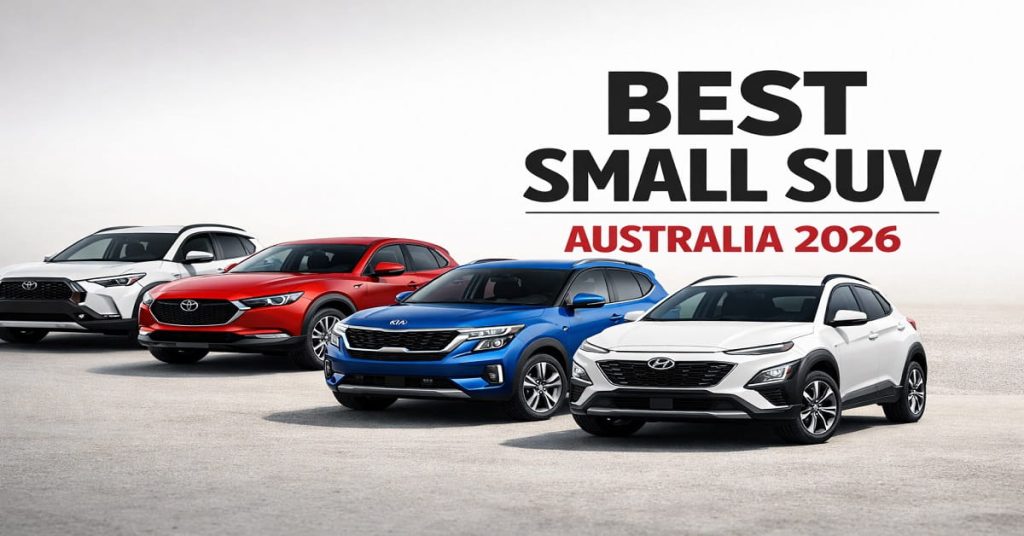
Quick comparison table (Ratings + price range + ANCAP)
Ratings are practical, real-world style scores out of 10 (not marketing claims). Price ranges are typical used-market ranges depending on year/trim and condition.
| Model | Typical price range (AUD) | ANCAP safety | Comfort | Reliability | Fuel economy | Resale value |
|---|---|---|---|---|---|---|
| Mazda CX-30 | $25k–$40k | 5-star | 8.5 | 8.0 | 7.5 | 8.5 |
| Toyota Corolla Cross | $30k–$45k | 5-star | 8.0 | 9.0 | 8.0 | 9.0 |
| Hyundai Kona (petrol) | $22k–$40k | 5-star | 7.8 | 8.0 | 8.0 | 8.0 |
| Kia Seltos | $24k–$42k | 5-star | 8.2 | 8.0 | 7.6 | 8.2 |
| Subaru Crosstrek | $28k–$45k | 5-star | 8.0 | 8.2 | 7.2 | 8.0 |
If you only look at one thing, look at this: the best small SUV for you is usually the one that matches your daily life, not the one with the highest “spec list.” A commuter might care most about fuel and comfort. A young family often cares about space and resale. A regional driver often cares about stability and reliability. Buyers looking specifically for higher-riding family vehicles should also explore our detailed guide on used SUVs under $40,000 in Australia.
If budget flexibility allows and you’re considering stepping up in size or features, this comparison of the best SUVs under $100K in Australia highlights what extra value higher budgets unlock.
1. Mazda CX-30 (Comfort + Premium Feel in a Small SUV)
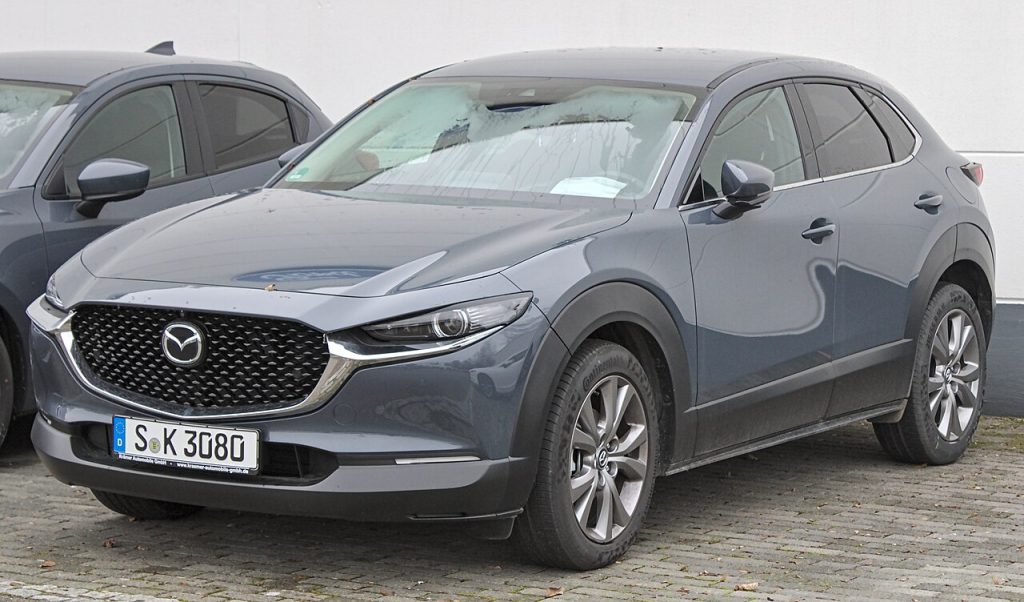
The Mazda CX-30 is a common pick when people ask for the best rated small SUV that feels “a class above.” The cabin materials and layout feel more premium than many rivals, and the ride quality is well controlled without being harsh. For city driving, it feels compact and easy. For highway use, it feels stable and quiet for a small SUV car. For frequent motorway use, our guide to the best car for highway driving explains what makes certain vehicles more stable and comfortable at speed.
Key specs (typical):
- Engine: 2.0L or 2.5L petrol (varies by trim/year)
- Transmission: Automatic
- Drivetrain: FWD or AWD (variant dependent)
- Cabin highlight: strong ergonomics, supportive seats, solid noise insulation
Pros:
- One of the most comfortable cabins in the small SUV segment
- Strong resale value compared to many small SUV cars
- Excellent driver confidence (steering, braking feel)
Cons:
- Rear seat space can feel tighter than the “boxier” small SUVs
- Some trims can be priced high for the size
- Cargo area is good, but not class-leading
Real-world owner-style notes:
- Often praised for being “easy to drive every day” and feeling refined
- Drivers who do lots of highway kilometres tend to like the stability
- Families sometimes prefer Seltos-style space if rear seat use is constant
If your priority is comfort and a premium feel, the CX-30 is often near the top of any best small SUV shortlist.
Many buyers shopping for the best small SUV also consider value-focused options, which is why our list of the best SUVs under $70K is useful for comparing price-to-feature balance.
2. Toyota Corolla Cross (Reliability + Resale King)
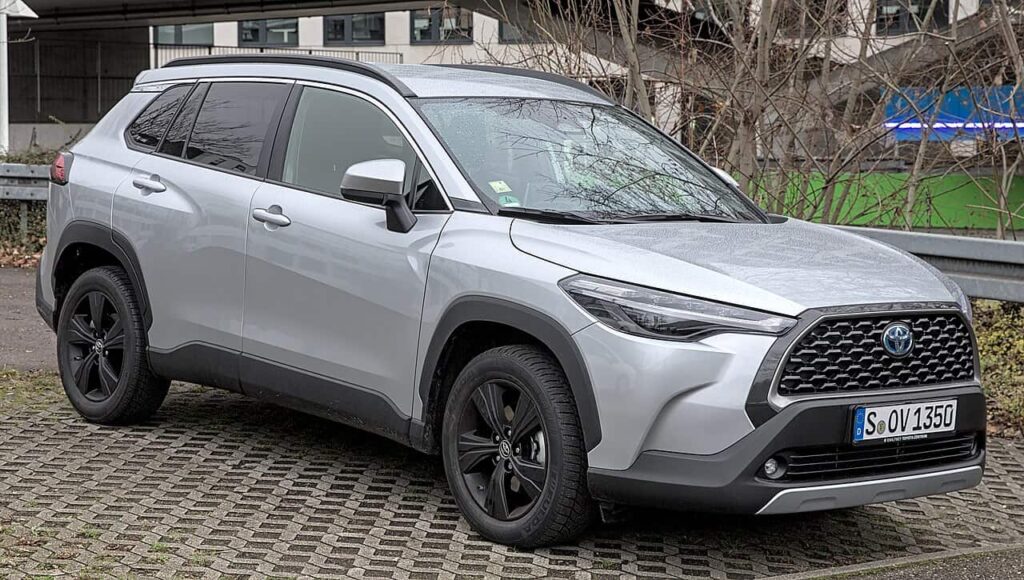
When buyers want the best small SUV with the lowest stress ownership, Toyota usually comes up fast. The Corolla Cross is practical, predictable, and built around easy daily use. It’s not trying to be sporty. It’s trying to be dependable. That’s why it scores high in reliability and resale, and why it’s one of the most searched compact SUV cars in Australia. For buyers downsizing further, our comparison of the best small cars to buy that are economical and reliable highlights alternatives to small SUVs.
Key specs (typical):
- Engine: 2.0L petrol (varies by trim/year)
- Transmission: Automatic
- Drivetrain: FWD or AWD (variant dependent)
- Cabin highlight: simple controls, comfortable seating position, strong safety tech
Pros:
- Excellent reliability reputation (strong long-term confidence)
- Typically one of the highest resale performers in the class
- Easy to live with: visibility, smooth driving manners
Cons:
- Not the most exciting drive if you want sporty feel
- Some buyers find cabin materials less “premium” than Mazda
- Availability/pricing can be strong due to demand
Real-world owner-style notes:
- Often bought by families and commuters who want “set and forget”
- Resale strength can make the total cost of ownership very appealing
- Great choice if you plan to keep it for years and sell later without drama
If you want the safest “no regrets” pick, this is a classic best rated small SUV contender.
Long-term dependability matters, which is why our detailed car reliability ratings in Australia guide helps identify brands and models with proven durability.
3. Hyundai Kona (Petrol) (Value + Tech in a Compact SUV)
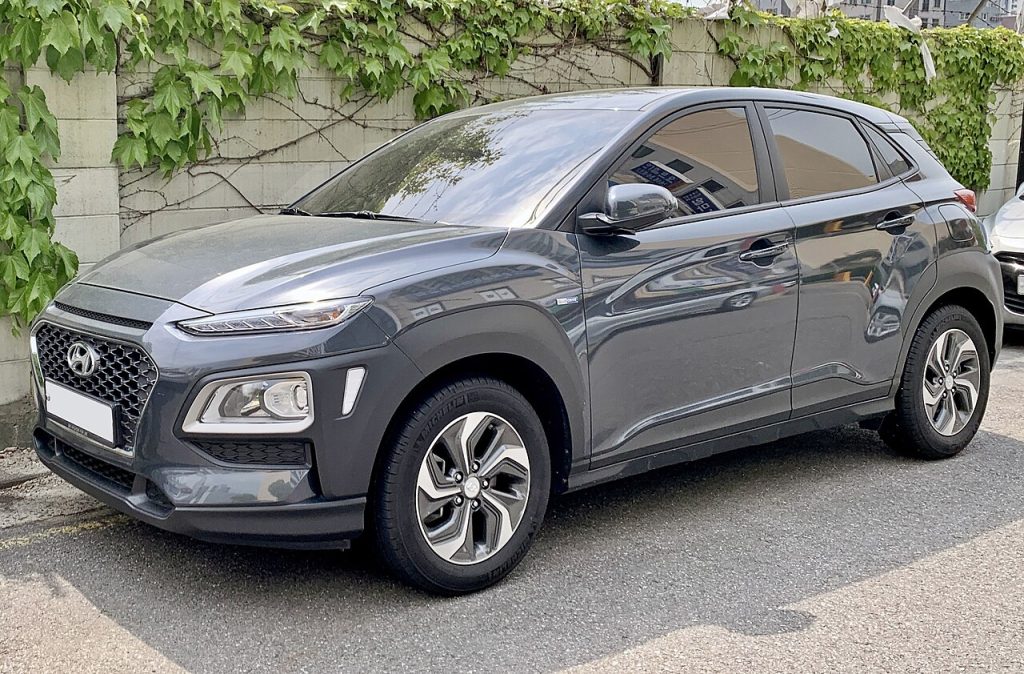
The petrol Hyundai Kona stays popular because it packs lots of features into a small footprint, and it’s one of those small SUV cars that feels modern without forcing you into luxury pricing. It works well as a city car but still feels comfortable enough for longer drives, especially in higher trims. Some buyers prioritise comfort above all else, and our list of the most comfortable cars in Australia compares ride quality across sedans, SUVs, and wagons.
Key specs (typical):
- Engine: 2.0L petrol or turbo petrol (variant dependent)
- Transmission: Automatic
- Drivetrain: Mostly FWD; AWD on some variants
- Cabin highlight: strong infotainment, modern layout, good safety tech
Pros:
- Strong value for money in features and tech
- Easy to park, light and practical for city use
- Good fuel economy for a petrol compact SUV
Cons:
- Ride can feel firm on rougher roads depending on wheel/trim
- Rear seat space is decent, but not the biggest
- Some turbo variants can cost more to maintain long term
Real-world owner-style notes:
- Popular with singles, couples, and small families
- Often praised for tech features and “new car feel”
- Great option when you want a best small SUV that doesn’t feel basic
If you want tech, value, and a modern cabin, Kona remains a strong top rated small SUV option.
4. Kia Seltos (Space + Family Practicality in a Small SUV)
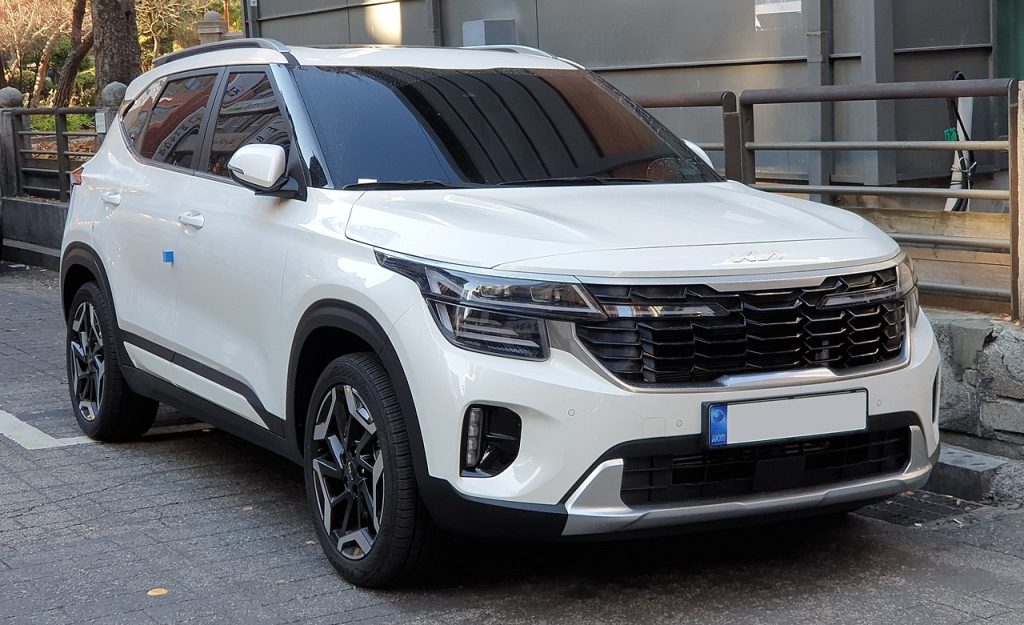
The Kia Seltos is one of those best small SUV choices that feels “bigger than it is.” That’s why it often ends up in family shortlists. The cabin space is one of the big selling points, especially in the rear seat. Comfort is generally strong, and the overall ownership proposition is attractive when warranty and value are considered.
Key specs (typical):
- Engine: 2.0L petrol or turbo petrol (variant dependent)
- Transmission: Automatic
- Drivetrain: FWD or AWD (variant dependent)
- Cabin highlight: good rear space, practical layout, family-friendly features
Pros:
- Excellent interior space for the small SUV class
- Comfortable seating, especially for rear passengers
- Strong value and long warranty appeal
Cons:
- Fuel economy can vary depending on engine choice and driving style
- Not as “premium-feeling” as Mazda in cabin finish
- Some trims can feel noisy on coarse roads compared to the quietest rivals
Real-world owner-style notes:
- Often chosen by families who don’t want to jump to a medium SUV
- Rear seat and boot practicality regularly praised
- Great balance if you want one of the best rated small SUVs for everyday family use
If you need space but still want a small compact SUV, the Seltos is an easy shortlist pick.
5. Subaru Crosstrek (Safety Feel + AWD Confidence)
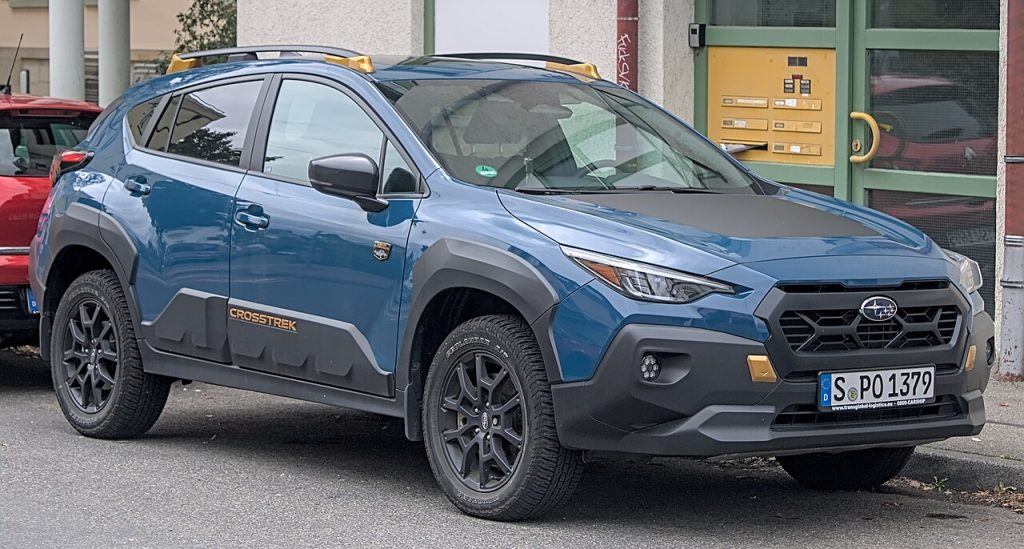
The Subaru Crosstrek is a different flavour of best small SUV. It’s ideal for buyers who want extra stability and confidence. Many people in Australia drive in wet conditions, regional roads, or mixed surfaces. That’s where the Crosstrek’s driving feel and traction reputation stand out, making it one of the most trusted top rated small SUVs for all-weather use.
Key specs (typical):
- Engine: 2.0L petrol (variant dependent)
- Transmission: Automatic
- Drivetrain: AWD (commonly standard)
- Cabin highlight: safe, planted feel; comfortable ride for longer drives
Pros:
- Strong stability and confidence in poor conditions
- Excellent safety reputation and driver assistance focus
- Good comfort for people who do mixed driving (city + weekends)
Cons:
- Fuel economy can be a bit higher than pure FWD rivals
- Performance is more “smooth and steady” than sporty
- Some trims may feel expensive for the power output
Real-world owner-style notes:
- Often loved by people who prioritise safety and “secure handling”
- Suits drivers who travel outside metro areas more often
- If you want a best small SUV that feels trustworthy in the real world, it fits
How to use this comparison to pick your best small SUV
If you want the best comfort and premium feel:
Mazda CX-30 is the strongest comfort-led small SUV pick.
If you want the safest long-term ownership bet:
Toyota Corolla Cross often wins for reliability and resale.
If you want features and modern value:
Hyundai Kona petrol is a strong compact SUV choice.
If you want space for family without going bigger:
Kia Seltos is often the most practical small SUV for space.
If you want stability and confidence in all conditions:
Subaru Crosstrek brings the “secure feel” advantage.
Best Small Compact SUV Options for City Driving
For many Australian buyers, city driving is the deciding factor when choosing the best small SUV. Tight parking spaces, narrow streets, speed bumps, school zones, shopping centres, and constant stop-start traffic mean that not every SUV is equally suited to urban life. This is where small compact SUV cars shine. They offer a higher driving position and better visibility than hatchbacks, without the size, fuel use, or parking stress of medium or large SUVs.
A well-chosen small compact SUV can make city driving easier rather than harder. The key is understanding which features genuinely matter in urban conditions, and which ones simply add cost without improving daily usability.
This section focuses on how to identify the best small SUV for city driving, based on comfort, manoeuvrability, fuel efficiency, visibility, and real-world practicality.
Why small SUVs are ideal for city driving
The rise in popularity of small SUV cars is closely tied to urban lifestyles. Compared to traditional hatchbacks, small SUVs offer:
- A higher seating position for better forward visibility
- Easier entry and exit, especially in busy car parks
- More flexible boot space for groceries, prams, and weekend bags
- A sense of confidence in traffic without feeling bulky
At the same time, the best small SUV models avoid the downsides of larger vehicles. They are easier to park, lighter on fuel, and less stressful to drive through congested areas.
For city-based drivers, the ideal small compact SUV balances size and comfort rather than chasing power or off-road ability.
What matters most in a city-focused small SUV
When comparing compact SUV cars for city use, buyers often get distracted by engine specs or badge appeal. In reality, daily urban driving highlights a different set of priorities.
1. Size and turning circle
A true best small SUV for city driving should feel manageable in tight spaces. Shorter length, good steering lock, and predictable handling make a huge difference when parking or navigating narrow streets.
Even within the small SUV category, some models feel noticeably larger than others. Boxier designs may offer more space but can feel harder to place in traffic.
2. Visibility and driving position
One of the biggest advantages of small SUV cars is improved visibility. Thinner pillars, a raised seat height, and large mirrors reduce blind spots and make city driving less tiring.
Good visibility also increases confidence, especially for new drivers or those upgrading from a smaller car.
3. Ride comfort on rough city roads
Urban roads aren’t smooth. Speed humps, potholes, patched bitumen, and tram tracks punish overly firm suspension. The best small SUV options absorb bumps well without feeling floaty.
Wheel size matters here. Large wheels with low-profile tyres may look good but can reduce ride comfort in city conditions.
4. Fuel economy in stop-start traffic
City driving rewards smooth engines and well-tuned automatic transmissions. A best small compact SUV should deliver reasonable fuel economy without needing hybrid assistance.
Petrol efficiency matters more in city driving than highway cruising because of frequent acceleration and idling.
While this article focuses on petrol models, buyers prioritising fuel efficiency may want to explore our top 10 best hybrid SUVs in Australia comparison for hybrid-only options.
5. Ease of parking and technology
Rear cameras, parking sensors, and 360-degree systems make a real difference in city environments. The best rated small SUVs usually include these features even in mid-range trims.
Easy-to-use infotainment and clear displays reduce distraction, which is critical in traffic-heavy areas.
Best small SUVs that excel in city environments
Not every small SUV feels equally comfortable in an urban setting. Based on size, driving feel, and owner feedback, the following styles of small SUVs tend to perform best in cities.
1. Mazda CX-30 – Urban comfort and refinement
The CX-30 stands out as a best small SUV for city drivers who want a refined experience. It feels composed at low speeds, absorbs bumps well, and has excellent steering response for tight manoeuvres.
Its compact dimensions make it easy to park, while the high-quality cabin reduces fatigue in traffic. For drivers who spend most of their time commuting or running errands, this is a very city-friendly small compact SUV.
Why it works well in the city:
- Smooth ride over rough urban roads
- Compact footprint with good steering control
- Comfortable seating for daily use
Seat comfort plays a major role in daily satisfaction, and this guide on which SUV has the most comfortable seats compares seating support across popular models.
2. Toyota Corolla Cross – Predictable and stress-free
The Corolla Cross appeals to city drivers who prioritise simplicity and reliability. It’s easy to drive, easy to park, and doesn’t demand attention or effort in traffic.
As a small SUV car, it excels at predictable behaviour. The transmission is smooth in stop-start traffic, and the cabin layout is intuitive, which matters when you’re constantly stopping, starting, and navigating intersections.
Why it works well in the city:
- Smooth low-speed driving
- Good visibility and seating position
- Excellent for daily commuting
3. Hyundai Kona – Compact and modern for urban life
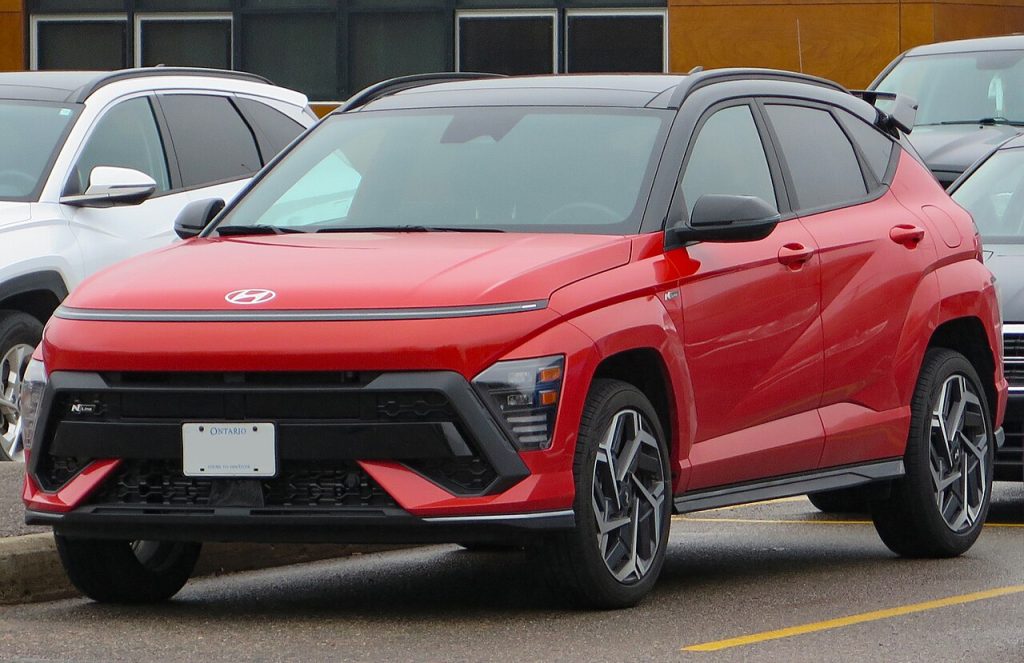
The Hyundai Kona remains one of the most recognisable compact SUV cars in Australian cities. Its smaller dimensions make it particularly attractive for inner-city drivers who deal with tight parking.
The Kona’s tech-focused interior suits urban users who rely on navigation, smartphone integration, and driver assistance systems. It’s one of the best small SUVs for buyers who want modern features in a manageable size.
Why it works well in the city:
- Shorter length than many rivals
- Easy parking and manoeuvring
- Strong infotainment and safety tech
4. Kia Seltos – City-friendly with extra space
While slightly larger than some rivals, the Kia Seltos still qualifies as a small compact SUV and works well in city conditions if you want more cabin room. It offers a comfortable ride and good rear-seat usability without stepping up to a medium SUV.
For city-based families, the Seltos strikes a balance between practicality and urban friendliness, making it a common choice among best rated small SUVs.
Why it works well in the city:
- Comfortable ride over speed humps and rough roads
- Spacious cabin for passengers
- Easy daily usability despite extra size
City driving costs: why small SUVs make financial sense
Beyond driving comfort, city ownership highlights running costs. The best small SUV options tend to be cheaper to own in urban environments than larger vehicles.
Key cost advantages:
- Lower fuel consumption in stop-start traffic
- Cheaper parking and toll implications
- Generally lower servicing and tyre replacement costs
- Better resale demand in city markets
For buyers who spend most of their time in metro areas, a small SUV car often delivers better total ownership value than a larger SUV that rarely uses its extra size.
Common mistakes city buyers make when choosing a small SUV
Even within the best small SUV category, some choices can reduce city comfort.
Common pitfalls:
- Choosing large wheels that hurt ride comfort
- Prioritising power over smooth low-speed response
- Ignoring visibility and blind spots
- Buying the biggest “small SUV” instead of the easiest one to live with
City drivers benefit most from balance rather than extremes. The best small compact SUV is not necessarily the most powerful or most rugged one.
Is a small SUV better than a hatchback for city driving?
Many buyers compare small SUV cars with hatchbacks. In city use, the difference comes down to comfort and confidence.
A best small SUV typically offers:
- Easier entry and exit
- Better forward visibility
- More flexible boot space
- Stronger resale appeal in Australia
For drivers who want an upgrade from a hatchback without the size penalty of a medium SUV, a small compact SUV is often the most practical choice.
Who should choose a city-focused small SUV?
A best small SUV for city driving is ideal if:
- You commute daily in traffic
- You regularly park in tight spaces
- You want good visibility and comfort
- You need occasional space but not a large vehicle
If most of your driving is urban, prioritising city-friendly traits will give you far more satisfaction than chasing size or power.
Small SUV Cars – Automatic, AWD & Petrol Options Explained
One reason the best small SUV segment has grown so quickly in Australia is flexibility. Unlike hatchbacks or sedans, small SUV cars are available with different drivetrains, transmissions, and petrol engine options, allowing buyers to choose a setup that suits their daily driving rather than settling for a one-size-fits-all solution.
This section breaks down the most common configurations found in best rated small SUVs, explains who each option is best for, and helps you avoid paying for features you don’t actually need.
Automatic small SUVs – the most popular choice in Australia
Automatic transmissions dominate the small SUV market in Australia, and for good reason. City traffic, long commutes, school drop-offs, and stop-start driving make automatics far more comfortable than manuals for most drivers.
Today, nearly every top rated small SUV is sold primarily as an automatic, with manuals becoming increasingly rare.
Why automatics suit small SUVs so well
A best small SUV with an automatic transmission offers:
- Smoother driving in traffic
- Less fatigue during long commutes
- Easier control in tight parking situations
- Better resale demand in the used market
Modern automatic gearboxes are far more refined than older designs. In many small compact SUV cars, the transmission logic is tuned for smoothness rather than aggressive shifting, which suits everyday driving.
Best small SUVs with smooth automatic transmissions
Some small SUV cars stand out for how well their automatic transmissions behave at low speeds.
1. Mazda CX-30
The CX-30’s automatic transmission is known for smooth, predictable shifts. It avoids the jerky behaviour that can frustrate drivers in traffic, making it a strong best small SUV choice for daily commuting.
Toyota Corolla Cross
Toyota prioritises smoothness and reliability. The Corolla Cross automatic feels relaxed and controlled, which is ideal for drivers who want stress-free city driving rather than sporty performance.
Hyundai Kona (petrol)
In petrol form, the Kona’s automatic transmission works well for urban use. It responds quickly in traffic and pairs well with the engine for fuel-efficient driving.
If most of your driving involves traffic lights, car parks, and urban congestion, an automatic small SUV is almost always the right decision.
AWD small SUVs – when extra traction actually matters
All-wheel drive (AWD) is often misunderstood in the small SUV segment. Many buyers assume AWD is essential, while others dismiss it as unnecessary. The truth sits somewhere in the middle.
An AWD small SUV car sends power to all four wheels when needed, improving traction on wet roads, gravel, or uneven surfaces. It does not turn a small SUV into a hardcore off-roader, but it can improve confidence and safety in certain conditions.
Who should consider an AWD small SUV?
An AWD setup makes sense if:
- You regularly drive on wet or slippery roads
- You live in regional or semi-rural areas
- You tow light loads or travel on unsealed roads
- You prioritise stability and grip over fuel economy
For purely urban drivers, AWD is often unnecessary. For mixed driving, it can be a real advantage.
If road trips and touring are part of your lifestyle, this list of good cars for travelling compares comfort and practicality across vehicle types.
Best small SUVs with AWD options
Subaru Crosstrek
The Crosstrek is one of the most recognisable AWD small SUV cars in Australia. Its AWD system is designed for safety and stability rather than performance, making it a popular best small SUV choice for drivers who value confidence in poor conditions.
Mazda CX-30 AWD variants
Some CX-30 trims offer AWD, adding extra grip without dramatically changing the driving feel. This appeals to buyers who want reassurance without sacrificing comfort.
Toyota Corolla Cross AWD variants
In certain trims, the Corolla Cross offers AWD, giving buyers flexibility depending on their driving environment.
Important note:
AWD generally increases fuel consumption slightly and can add purchase cost. If you drive mostly in the city, a front-wheel-drive small compact SUV is usually more efficient and cheaper to own.
Petrol small SUVs – still the dominant choice
Despite growing interest in alternative powertrains, petrol remains the dominant option in the best small SUV category. Petrol engines are simple, widely supported, and well suited to Australian driving conditions.
This article focuses on petrol-powered small SUV cars to keep the intent clean and avoid overlap with hybrid-focused guides.
Why petrol small SUVs still make sense
Petrol-powered small SUVs offer:
- Lower upfront purchase cost compared to alternatives
- Wide availability across trims and brands
- Predictable servicing and maintenance
- Strong resale demand in the used market
For many buyers, petrol provides the best balance of affordability and practicality.
Naturally aspirated vs turbo petrol engines
Within the petrol small SUV segment, engines generally fall into two categories.
Naturally aspirated petrol engines
These engines prioritise simplicity and reliability. They tend to feel smooth and predictable, especially in city driving.
Pros:
- Simpler mechanical design
- Often cheaper to service long-term
- Smooth low-speed response
Cons:
- Less punch during overtaking
- Can feel underpowered when fully loaded
Turbo petrol engines
Turbo engines provide more power and stronger acceleration, which some drivers prefer.
Pros:
- Better overtaking performance
- Stronger acceleration on highways
Cons:
- Can increase servicing complexity
- Fuel economy depends heavily on driving style
For most city-focused drivers, a naturally aspirated petrol small SUV is more than sufficient.
Choosing the right drivetrain for your lifestyle
When selecting the best small SUV, drivetrain choice should reflect how you actually drive, not how you imagine driving.
City commuters
Front-wheel drive, automatic petrol small SUV cars are usually the best fit.
Families and mixed driving
Front-wheel drive with good safety tech is often enough, but AWD can add peace of mind.
Regional or poor-weather drivers
An AWD small SUV may provide valuable extra confidence.
The key is matching features to real-world use, not marketing promises.
Common misconceptions about small SUV drivetrains
Many buyers fall into the same traps when shopping for small SUV cars.
Misconception 1: AWD is always safer
AWD helps with traction, but tyres, brakes, and driver assistance systems often matter more.
Misconception 2: More power equals better daily driving
In city conditions, smoothness and throttle control matter more than raw power.
Misconception 3: Petrol engines are outdated
Modern petrol engines in best rated small SUVs are efficient, refined, and reliable.
Reliability-focused buyers can also reference our curated list of the most reliable cars to see how small SUVs compare against other body styles.
Understanding these points helps buyers choose a best small SUV that fits their actual needs.
Summary: automatic, AWD, or petrol – what’s best?
For most Australian buyers:
- Automatic transmission is essential
- Petrol power offers the best value and simplicity
- AWD is useful, but not mandatory
The best small SUV is not the one with the longest feature list. It’s the one that feels easy, comfortable, and predictable in your daily driving.
Best Small SUV by Year (2023–2026)
Many buyers searching for the best small SUV include a year in their query, such as best small SUV 2023, best small SUV 2024, or best small SUV 2025. This does not always mean they want an old model. In most cases, they are comparing vehicles released or refreshed around that time, or they are shopping the used market while still wanting up-to-date guidance.
Instead of creating separate pages for each year, this section brings all year-based intent together in one place. This approach helps capture long-tail searches while keeping the article evergreen and authoritative.
Best Small SUV 2023 – Proven and Reliable Picks
When people search for the best small SUV 2023, they are usually looking for vehicles that have already proven themselves in real-world ownership. Models from this period benefit from early reliability data, owner feedback, and established resale performance.
During 2023, the small SUV segment in Australia was dominated by petrol-powered compact SUV cars that focused on comfort, safety, and practicality rather than radical redesigns.
Top performers from the 2023 era include:
- Mazda CX-30 for refinement and comfort
- Toyota Corolla Cross for reliability and resale
- Hyundai Kona petrol for value and modern features
- Kia Seltos for interior space and family use
These models are still highly relevant today, especially in the used market. For buyers shopping pre-owned vehicles, the best small SUV from 2023 often represents excellent value, as depreciation has softened initial pricing while reliability remains strong.
Why 2023 models still matter:
- Mature reliability data
- Lower purchase prices in the used market
- Strong parts availability and servicing support
- Stable resale demand
For many buyers, choosing a best rated small SUV from 2023 is a smart way to maximise value without sacrificing comfort or safety.
Best Small SUV 2024 – Refinement Over Reinvention
Searches for the best small SUV 2024 often reflect interest in mid-cycle updates rather than completely new models. In 2024, manufacturers focused on improving infotainment systems, safety technology, and ride comfort rather than making drastic changes.
This year marked a shift toward more polished driving experiences across the small SUV segment.
Key improvements seen in 2024-era small SUVs:
- Better driver assistance calibration
- Smoother automatic transmissions
- Improved cabin noise insulation
- More intuitive infotainment interfaces
Models like the Mazda CX-30 and Toyota Corolla Cross benefited from incremental refinements that made them even easier to live with day to day. For buyers comparing compact SUV cars, the 2024 versions often feel more refined than earlier releases while still remaining familiar and reliable.
If you’re choosing between a late-2023 and a 2024 example of the same small SUV, the newer model may offer subtle but worthwhile comfort and tech upgrades.
Best Small SUV 2025 – Strong Balance of Value and Features
By 2025, the best small SUV category had become extremely competitive. Buyers had more choice than ever, and manufacturers were under pressure to offer strong value propositions.
Searches for the best small SUV 2025 typically come from buyers who want:
- Modern safety technology
- Good fuel economy without hybrid complexity
- Strong resale value
- Comfortable interiors suitable for daily driving
During this period, small SUVs continued to appeal to a broad audience, including first-time SUV buyers, families downsizing from larger vehicles, and commuters upgrading from hatchbacks.
Popular reasons buyers chose 2025-era small SUVs:
- Well-balanced petrol engines
- Improved safety ratings across the segment
- Competitive pricing relative to medium SUVs
- Excellent suitability for both city and highway use
A best small SUV from 2025 often hits the sweet spot between modern features and proven reliability, making it an attractive option in both new and used markets.
Best Small SUV 2026 – Current Top Choices
Searches for the best small SUV 2026 are typically driven by buyers who want the most up-to-date guidance while still prioritising practicality and value. In 2026, the segment continues to focus on refinement rather than reinvention.
The current generation of small SUV cars emphasises:
- Improved ride comfort on Australian roads
- Advanced safety systems as standard
- Better fuel efficiency from refined petrol engines
- Strong focus on interior usability
In 2026, the best rated small SUVs are not necessarily the newest or most powerful. Instead, they are the ones that feel easiest to live with every day. Comfort, reliability, and ownership costs now matter more than headline performance figures.
Buyers looking for the best small SUV in Australia for 2026 should prioritise:
- Real-world comfort rather than specs
- Safety ratings and driver assistance systems
- Long-term reliability reputation
- Resale value and ownership costs
New vs used: choosing the best small SUV by year
One advantage of the small SUV segment is flexibility. Buyers can choose between new and used vehicles without dramatically changing the ownership experience.
Newer models (2025–2026):
- Latest safety and infotainment tech
- Manufacturer warranty coverage
- Higher upfront cost
Slightly older models (2023–2024):
- Lower purchase price
- Proven reliability
- Often better value for money
For many buyers, a lightly used best small SUV from 2023 or 2024 offers the best balance between cost and features.
For buyers on tight budgets or shopping the used market, our list of the best SUVs under $10,000 in Australia shows what’s realistically achievable at entry-level pricing.
How year-based searches influence buying decisions
Year-based searches don’t always reflect a desire for a specific model year. More often, they indicate:
- Budget constraints
- Used vs new considerations
- Desire for up-to-date recommendations
- Comparison between model updates
By grouping best small SUV recommendations by year, buyers can quickly understand how the segment has evolved and which vehicles still make sense today.
Summary: which year offers the best small SUV value?
There is no single “best year” for a small SUV. Instead:
- 2023 offers proven reliability and used-market value
- 2024 brings subtle refinements and tech improvements
- 2025 balances features, pricing, and availability
- 2026 focuses on comfort, safety, and ownership experience
The best small SUV is the one that fits your budget, usage, and expectations, regardless of the year on the badge.
Best Small SUV for Families in Australia
For many Australian households, the decision to buy a best small SUV is driven by family needs rather than style or performance. Parents want a vehicle that feels safe, comfortable, and practical without the size, fuel costs, or parking challenges of a larger SUV. This is where small SUV cars excel, especially for young families, single-child households, and parents upgrading from a hatchback.
A family-friendly small SUV should make everyday tasks easier: school drop-offs, grocery runs, weekend sport, and occasional road trips. The best choices in this segment balance space, safety, and running costs while remaining easy to drive.
If you’re considering a used small SUV, this guide on the best places to buy a used car in Australia helps you choose safer purchasing channels.
Why small SUVs work so well for families
The popularity of small SUV cars among families has grown rapidly, and it’s not just a trend. Compared to hatchbacks and sedans, small SUVs offer clear family-focused advantages.
Key reasons families choose small SUVs:
- Higher seating position improves visibility and confidence
- Easier access when loading children or car seats
- Flexible boot space for prams and groceries
- Strong safety technology availability
- Lower running costs than medium or large SUVs
For many families, the best small SUV delivers enough space and safety without unnecessary bulk.
What families should prioritise in a small SUV
Not all best rated small SUVs are equally suited to family life. When children are involved, certain features become far more important.
1. Child seat compatibility
A family-friendly small SUV must easily accommodate child seats. Wide-opening rear doors, accessible ISOFIX points, and enough rear legroom make daily use far less stressful.
Some compact SUV cars look spacious but become awkward once child seats are installed. The best small SUV for families allows easy access without compromising front-seat comfort.
2. Rear seat comfort and space
While small SUVs are compact by design, some offer noticeably better rear seating than others. For families, rear comfort matters more than sporty handling.
The best rated small SUVs for families typically offer:
- Good headroom and legroom
- Flat rear floor for easier movement
- Comfortable seat padding for longer drives
3. Boot space and usability
Prams, school bags, groceries, and sports gear add up quickly. A family-friendly small SUV should have a boot that is easy to access and flexible to use.
Important boot features:
- Low loading height
- Wide opening
- Split-fold rear seats
- Enough depth for everyday gear
Boot usability often matters more than raw litres when choosing the best small SUV.
4. Safety ratings and driver assistance
For families, safety is non-negotiable. The best small SUV for families should carry a strong ANCAP rating and offer modern driver assistance systems.
Look for:
- Autonomous emergency braking
- Lane keeping assistance
- Blind spot monitoring
- Rear cross-traffic alert
These features reduce stress and increase confidence during busy school runs and urban driving.
5. Running costs and reliability
Families benefit from predictable ownership. The best rated small SUVs tend to be those with strong reliability records and reasonable servicing costs.
Lower fuel consumption, affordable maintenance, and strong resale value help keep long-term family budgets under control.
Best small SUVs for family use (real-world perspective)
Based on space, safety, and practicality, certain small SUV cars stand out for family life.
Kia Seltos – one of the best small SUVs for family space
The Kia Seltos is frequently recommended as a best small SUV for families because it offers more usable interior space than many rivals. Rear seat room is generous for the segment, making it easier to fit child seats while still keeping front passengers comfortable.
Why families like it:
- Spacious rear seating for a small SUV
- Comfortable ride over rough roads
- Practical boot for prams and groceries
Family considerations:
- Works well for one or two young children
- Easy daily usability for school runs
- Good balance of size and practicality
Toyota Corolla Cross – reliable and stress-free for families
For families who prioritise reliability and resale, the Corolla Cross stands out as a best rated small SUV. It may not be the most exciting option, but it offers peace of mind, smooth driving behaviour, and strong safety credentials.
Why families like it:
- Excellent reliability reputation
- Smooth and predictable driving
- Easy to maintain and own long term
Family considerations:
- Suitable for urban and suburban families
- Simple, intuitive controls reduce distraction
- Strong resale value when upgrading later
Mazda CX-30 – comfort-focused small SUV for families
The Mazda CX-30 appeals to families who want a best small SUV with a comfortable and refined cabin. While rear space is slightly tighter than boxier rivals, the overall ride comfort and interior quality make it appealing for daily family use.
Why families like it:
- Supportive seats and quiet cabin
- Smooth ride for children
- Premium feel without luxury pricing
Family considerations:
- Best suited to families with one child
- Less rear space than Seltos, but more refinement
- Good safety and reliability balance
Subaru Crosstrek – confidence and safety for family driving
For families who travel frequently in wet weather or regional areas, the Subaru Crosstrek offers a sense of security that many parents appreciate. Its stable driving feel and strong safety reputation make it a trusted best small SUV for family use.
Why families like it:
- Stable handling and confidence in poor conditions
- Strong safety reputation
- Comfortable for longer family trips
Family considerations:
- Slightly higher fuel use than some rivals
- Excellent choice for mixed urban and regional driving
- Ideal for families who value safety feel
Small SUV vs medium SUV for families
Many families debate whether a small SUV is enough or if a medium SUV is required. For many households, a small SUV is more than sufficient.
Choose a best small SUV if:
- You have one or two young children
- You mainly drive in the city or suburbs
- You want lower running costs
- You value ease of parking and daily use
A medium SUV becomes more necessary only when:
- You regularly carry multiple teenagers
- You need a third row
- You tow frequently
For most young families, a small SUV car offers the best balance.
Ownership experience: why families stay with small SUVs
Many families who buy a best small SUV end up staying in the segment long term. The balance of comfort, cost, and practicality suits changing family needs without constant upgrades.
Reasons families stick with small SUVs:
- Lower stress in daily driving
- Easier parking around schools and shopping centres
- Manageable servicing and fuel costs
- Strong resale when upgrading later
Summary: best small SUV for families
For family buyers, the best small SUV is one that feels safe, practical, and easy to live with. Space matters, but usability matters more. Models like the Kia Seltos, Toyota Corolla Cross, Mazda CX-30, and Subaru Crosstrek consistently deliver family-friendly ownership without the downsides of larger SUVs.
Best Small SUV for Highway & Long-Distance Driving
While small SUVs are often associated with city driving, many buyers spend a significant amount of time on highways, motorways, and regional roads. For these drivers, choosing the best small SUV is less about tight parking and more about comfort at speed, stability, noise levels, and how relaxed the vehicle feels after hours behind the wheel.
Not all small SUV cars are equally suited to long-distance driving. Some feel nervous at highway speeds, while others deliver a calm, confident experience that rivals much larger vehicles. This section focuses on what makes a best small SUV for highway driving and which models handle long journeys best in real Australian conditions.
What matters most for highway driving in a small SUV
Highway driving exposes strengths and weaknesses that city use often hides. A best rated small SUV for long-distance travel needs to do more than just cruise at 100 km/h.
1. Ride stability and suspension tuning
At highway speeds, suspension quality becomes critical. The best small SUV options feel planted and stable rather than floaty or nervous. Poor suspension tuning can cause constant small corrections, increasing driver fatigue.
Well-tuned small SUVs absorb road imperfections without bouncing or transmitting vibration into the cabin, which is especially important on older or coarse Australian highways.
2. Cabin noise and refinement
Road noise, tyre noise, and wind noise are far more noticeable on long trips. The best small SUV cars for highway driving have good sound insulation and aerodynamic design that reduce fatigue over distance.
Quiet cabins make conversations easier and reduce stress on longer drives, especially for families or frequent travellers.
3. Seat comfort and driving position
Supportive seats are essential for long-distance comfort. A best small SUV for highway use should provide:
- Good lumbar support
- Comfortable seat cushioning
- Adjustable driving position
Poor seat comfort can ruin an otherwise capable vehicle on long trips.
4. Engine and transmission behaviour at speed
Smooth, predictable engine response matters more than outright power. The best small SUV models maintain speed easily without constant gear changes or excessive engine noise.
A well-matched automatic transmission that settles into higher gears on highways improves both comfort and fuel economy.
5. Safety and driver assistance
Highway driving increases exposure to fatigue-related risks. The best rated small SUVs for long-distance travel often include features such as:
- Adaptive cruise control
- Lane keeping assistance
- Driver attention monitoring
These systems reduce workload and improve confidence on extended trips.
Small SUVs that perform best on highways
Based on comfort, stability, and owner feedback, certain small SUV cars consistently stand out for highway use.
Mazda CX-30 – one of the most comfortable small SUVs on highways
The Mazda CX-30 is frequently described as a best small SUV for long-distance comfort. Its suspension is well balanced, providing a smooth ride without feeling soft. At highway speeds, the CX-30 feels stable and quiet, which makes it ideal for drivers who regularly travel between cities.
Highway strengths:
- Excellent ride comfort at speed
- Quiet, refined cabin
- Supportive front seats for long drives
For buyers who do frequent motorway or regional travel, the CX-30 is one of the most relaxing small SUV cars to live with.
Toyota Corolla Cross – predictable and calm on long trips
The Corolla Cross may not feel sporty, but it excels at what many highway drivers want: calm, predictable behaviour. It tracks straight, feels stable in crosswinds, and offers good visibility, which reduces fatigue.
Highway strengths:
- Smooth cruising at legal speeds
- Stable steering feel
- Excellent safety systems for longer journeys
As a best rated small SUV, the Corolla Cross is ideal for drivers who value reliability and ease over excitement on highways.
Subaru Crosstrek – confidence and stability on open roads
For drivers who travel on regional highways, wet roads, or uneven surfaces, the Subaru Crosstrek provides an extra layer of confidence. Its stable handling and strong safety reputation make it a solid best small SUV for long-distance driving in varied conditions.
Highway strengths:
- Strong stability in poor weather
- Secure handling on long, open roads
- Comfortable ride over extended distances
While fuel economy may not be class-leading, many drivers accept this trade-off for the confidence the Crosstrek delivers.
Kia Seltos – comfortable cruiser with space
The Kia Seltos performs well on highways, particularly for families or drivers carrying passengers. Its longer wheelbase compared to some rivals helps it feel composed at speed, and the cabin remains comfortable over longer trips.
Highway strengths:
- Comfortable ride for passengers
- Good rear-seat comfort on long journeys
- Stable cruising behaviour
For buyers who want a small SUV that handles both family duties and highway travel, the Seltos is a strong option.
Fuel economy on highways: what to expect from small SUVs
One advantage of small SUV cars is that fuel consumption on highways is often reasonable, especially when compared to larger SUVs. At steady speeds, many petrol small SUVs achieve respectable economy due to refined engines and aerodynamic improvements.
General expectations:
- Highway fuel economy is often better than city driving
- Smooth driving yields noticeable savings
- Lighter small SUVs outperform heavier medium SUVs on long trips
Choosing a best small SUV with good highway efficiency can significantly reduce long-term running costs for frequent travellers.
Are small SUVs comfortable enough for road trips?
A common question is whether a small SUV can replace a medium SUV for road trips. For many drivers, the answer is yes.
A best small SUV for highway driving typically offers:
- Adequate boot space for luggage
- Comfortable seating for front passengers
- Stable handling at speed
- Modern safety technology
For couples, solo drivers, or small families, small SUVs often provide all the comfort needed for long-distance travel without the downsides of larger vehicles.
When a small SUV may not be ideal for long distances
While many best rated small SUVs handle highways well, there are limits.
A small SUV may not be ideal if:
- You regularly carry five adults with luggage
- You tow heavy trailers
- You prefer very soft, luxury-style ride comfort
In these cases, stepping up to a medium SUV may be worth considering.
Some small SUVs now offer near-premium comfort, but if luxury is your main priority, our breakdown of the best luxury SUVs explores higher-end alternatives.
Summary: best small SUV for highway driving
For highway and long-distance use, the best small SUV prioritises stability, comfort, and refinement over size or power. Models like the Mazda CX-30, Toyota Corolla Cross, Subaru Crosstrek, and Kia Seltos consistently deliver relaxed motorway performance and low driver fatigue.
For many Australian drivers, a well-chosen small SUV car can comfortably handle daily commuting and long road trips without compromise.
Reliability, Maintenance & Ownership Costs of Small SUVs
For most buyers, the best small SUV is not just the one that looks good on the driveway. It’s the one that remains dependable years later, doesn’t surprise you with unexpected bills, and holds its value when it’s time to sell. Reliability and ownership costs are often what separate a good purchase from a regrettable one.
This section breaks down what real-world ownership looks like for small SUV cars in Australia, including reliability trends, servicing expectations, and long-term costs. These factors matter just as much as comfort and features, especially for families, commuters, and buyers planning to keep their vehicle for several years.
Why reliability matters more in small SUVs
Small SUVs are commonly used as daily drivers. They handle commuting, school runs, shopping trips, and weekend travel. Because of this, reliability has a bigger impact than it might in a second or recreational vehicle.
A best rated small SUV should:
- Start reliably every day
- Handle frequent short trips without issue
- Require predictable servicing
- Avoid costly repairs outside warranty
Unlike luxury vehicles, small SUVs are expected to deliver hassle-free ownership rather than excitement. Reliability is often the top reason buyers remain loyal to certain brands within the small SUV segment.
Reliability trends in the small SUV segment
Across Australia, certain patterns consistently appear when analysing best small SUV reliability.
Key trends:
- Naturally aspirated petrol engines tend to be the most reliable long term
- Simpler transmissions often outlast more complex setups
- Proven platforms perform better than first-generation models
- Regular servicing has a major impact on long-term durability
This is why many best rated small SUVs focus on refinement rather than radical design changes.
Brand reliability reputation in small SUVs
While individual ownership varies, brand reputation still matters when choosing a small SUV car.
Toyota
Toyota consistently ranks highly for reliability. Models like the Corolla Cross benefit from conservative engineering and proven components. This makes Toyota a common pick for buyers prioritising long-term dependability in a best small SUV.
Mazda
Mazda’s small SUVs, including the CX-30, are known for solid build quality and dependable mechanicals. Owners often report few issues when vehicles are serviced on schedule.
Hyundai and Kia
Hyundai and Kia have significantly improved reliability over the past decade. Their small SUV cars now offer competitive dependability, backed by strong warranties that appeal to long-term owners.
Subaru
Subaru’s reliability reputation is tied closely to maintenance. When serviced correctly, models like the Crosstrek are dependable, especially for drivers in mixed conditions.
Servicing and maintenance costs explained
Servicing costs play a major role in total ownership value. One reason small SUV cars remain popular is their generally manageable maintenance requirements.
Typical servicing expectations:
- Service intervals every 10,000–15,000 km
- Annual servicing for most drivers
- Comparable costs to hatchbacks and small sedans
The best small SUV options usually avoid excessive servicing complexity, keeping costs predictable.
Factors that influence maintenance costs
Engine type
Simpler petrol engines typically cost less to maintain than more complex alternatives.
Drivetrain
Front-wheel-drive small SUVs usually have lower servicing costs than AWD variants due to fewer components.
Wheel and tyre size
Larger wheels increase tyre replacement costs and may wear faster on rough roads.
Driving style
Stop-start city driving increases wear, while steady highway use tends to be easier on mechanical components.
Common reliability concerns in small SUVs
No vehicle is perfect, and even best rated small SUVs can experience issues. Being aware of common problem areas helps buyers make informed decisions.
Areas to watch:
- Transmission behaviour in stop-start traffic
- Suspension wear on rough urban roads
- Electronic sensor calibration
- Tyre wear on larger wheel setups
The best small SUV choices tend to minimise these issues through proven design rather than cutting-edge experimentation.
Warranty coverage and peace of mind
Warranty support is a major factor for buyers choosing a small SUV. Longer warranties provide reassurance and help offset concerns about long-term reliability.
In Australia:
- Some brands offer extended warranties
- Warranty coverage boosts resale value
- Manufacturer-backed servicing adds confidence
For buyers planning to keep their vehicle long term, warranty length and coverage details should factor into the best small SUV decision.
Fuel costs and everyday running expenses
Fuel remains one of the biggest ongoing costs for small SUV cars. While petrol small SUVs are generally efficient, real-world fuel use varies depending on driving habits.
Typical ownership patterns:
- City driving uses more fuel due to stop-start traffic
- Highway driving improves fuel efficiency
- Smooth driving reduces long-term costs
Choosing a best small SUV with balanced fuel economy can save thousands over the life of the vehicle.
Insurance costs for small SUVs
Insurance premiums for small SUV cars are generally reasonable compared to larger vehicles. Factors influencing insurance include:
- Safety ratings
- Repair costs
- Theft rates
- Driver profile
The best rated small SUVs with strong safety records often attract more competitive insurance pricing.
Resale value and depreciation
Resale value is a key part of ownership costs. A best small SUV that holds its value reduces total cost of ownership, even if the purchase price is higher.
Strong resale is usually associated with:
- Reliable brands
- Popular models
- Good service history
- Desirable specifications
Toyota and Mazda models often perform strongly in resale markets, while well-maintained Hyundai, Kia, and Subaru small SUVs also retain value.
New vs used: reliability considerations
Both new and used small SUV cars can be reliable if chosen carefully.
New small SUVs:
- Full warranty coverage
- Latest safety and tech
- Higher upfront cost
Used small SUVs:
- Lower purchase price
- Proven reliability history
- Importance of service records
For many buyers, a lightly used best small SUV offers excellent value without sacrificing reliability.
How to maximise reliability and reduce ownership costs
Owners can significantly improve their experience by:
- Following recommended service schedules
- Using quality fuel and fluids
- Avoiding unnecessary modifications
- Addressing small issues early
Even the best rated small SUVs rely on proper care to deliver long-term reliability.
Summary: reliability and ownership of small SUVs
The best small SUV is one that remains dependable, affordable, and stress-free over time. Reliability, maintenance costs, and resale value all contribute to long-term satisfaction. By choosing a proven model, maintaining it properly, and understanding real-world ownership factors, buyers can enjoy the benefits of small SUV cars without unexpected downsides.
Safety Ratings, ANCAP & Driver Assistance in Small SUVs
Safety is one of the biggest reasons Australians choose a best small SUV over a hatchback or sedan. The elevated driving position, improved visibility, and advanced driver assistance systems found in modern small SUV cars give many drivers a greater sense of confidence on the road. For families, commuters, and long-distance drivers, safety is often the deciding factor.
This section explains how safety ratings work, what to look for in ANCAP results, and which safety features actually make a difference in real-world driving.
Understanding ANCAP safety ratings for small SUVs
ANCAP (Australasian New Car Assessment Program) ratings are one of the most trusted safety benchmarks in Australia. Most best rated small SUVs achieve a 5-star ANCAP rating, but the score alone doesn’t tell the full story.
ANCAP testing evaluates:
- Adult occupant protection
- Child occupant protection
- Vulnerable road user protection (pedestrians and cyclists)
- Safety assist technologies
A best small SUV should perform well across all categories, not just one.
Why ANCAP matters when choosing a small SUV
For everyday driving, safety ratings reflect how well a small SUV car protects occupants in the event of a crash and how effectively it helps prevent accidents in the first place.
High ANCAP scores often indicate:
- Strong structural integrity
- Well-calibrated airbags
- Effective braking systems
- Reliable driver assistance technology
Choosing a best small SUV with a strong ANCAP rating reduces risk and increases peace of mind.
Core safety features every best small SUV should have
Modern small SUV cars now include a wide range of safety features, but not all are equally important. The best rated small SUVs typically include the following as standard or widely available options.
Autonomous Emergency Braking (AEB)
AEB is one of the most important safety features in any best small SUV. It detects potential collisions and automatically applies the brakes if the driver does not react in time.
Benefits:
- Reduces rear-end collisions
- Particularly effective in city traffic
- Protects pedestrians and cyclists in urban areas
AEB is now standard on most top-performing small SUV cars.
Lane Keeping Assistance and Lane Departure Warning
Lane-based systems help prevent unintentional drifting, especially on highways and long drives.
In a best small SUV, lane assistance should feel supportive rather than intrusive. Poorly tuned systems can frustrate drivers, while well-calibrated systems reduce fatigue and improve safety.
Blind Spot Monitoring
Blind spot monitoring is especially valuable in small SUV cars, where rear visibility can sometimes be limited by design.
This feature:
- Alerts drivers to vehicles in blind spots
- Reduces lane-change accidents
- Is particularly useful in heavy traffic
For many buyers, blind spot monitoring is now considered essential in a best rated small SUV.
Rear Cross-Traffic Alert
This feature helps when reversing out of driveways or parking spaces, a common scenario in busy urban areas.
In a small SUV, rear cross-traffic alert improves safety by warning of approaching vehicles or pedestrians from the side.
Child safety and family-focused protection
For families, the best small SUV must protect younger passengers just as well as adults.
Key family safety considerations:
- ISOFIX child seat anchor points
- Top tether points
- Rear door child locks
- Rear-seat airbag coverage (where available)
ANCAP child occupant scores help indicate how well a small SUV car performs in family-focused scenarios.
Structural safety and crash protection
Beyond technology, the physical structure of a small SUV plays a major role in safety.
The best rated small SUVs feature:
- High-strength steel structures
- Well-designed crumple zones
- Effective side-impact protection
- Stable chassis design
These elements work together to absorb and distribute crash forces, reducing injury risk.
Safety performance of popular small SUVs
While exact scores vary by year and variant, the leading small SUV cars consistently achieve high safety ratings.
Mazda CX-30
Known for strong structural integrity and well-tuned driver assistance systems, the CX-30 is often highlighted as a best small SUV for overall safety balance.
Toyota Corolla Cross
Toyota’s focus on safety technology makes the Corolla Cross a dependable best rated small SUV choice, especially for families.
Hyundai Kona (petrol)
The Kona includes a wide range of safety features and performs well in ANCAP testing, making it a solid option for safety-conscious buyers.
Kia Seltos
The Seltos combines strong safety ratings with family-friendly features, appealing to buyers who want a small SUV that prioritises occupant protection.
Subaru Crosstrek
Subaru’s reputation for safety is reinforced by the Crosstrek’s stable handling and comprehensive safety systems.
Active vs passive safety in small SUVs
Understanding the difference between active and passive safety helps buyers choose the best small SUV for their needs.
Active safety:
- Helps prevent accidents
- Includes AEB, lane assist, blind spot monitoring
Passive safety:
- Protects occupants during a crash
- Includes airbags, crumple zones, and structural design
The best rated small SUVs perform strongly in both areas.
How safety technology affects driving confidence
Advanced safety systems do more than protect in emergencies. They also:
- Reduce driver fatigue
- Improve confidence in traffic
- Support less experienced drivers
For many buyers, this increased confidence is a key reason to choose a best small SUV over a smaller vehicle.
Common misconceptions about small SUV safety
Some buyers assume all SUVs are inherently safer. In reality, safety depends on design and technology, not size alone.
Important points:
- A well-designed small SUV can be safer than an older large SUV
- Modern safety tech matters more than vehicle size
- Tyres, brakes, and driver behaviour still play a critical role
Choosing a best small SUV with strong safety credentials is more important than simply choosing a larger vehicle.
Summary: safety and the best small SUV
Safety is a defining strength of the best small SUV segment. With high ANCAP ratings, advanced driver assistance, and strong structural design, modern small SUV cars offer excellent protection for drivers and passengers alike.
For buyers prioritising peace of mind, choosing a best rated small SUV with comprehensive safety features is one of the smartest decisions you can make.
Small SUV vs Compact SUV vs Medium SUV – What’s the Difference?
One of the most common points of confusion for buyers is the difference between a small SUV, a compact SUV, and a medium SUV. These terms are often used interchangeably, especially in Australia, which makes choosing the best small SUV more difficult than it should be.
This section clearly explains how these categories differ, where they overlap, and which one actually makes sense for your needs.
Why the terminology causes confusion
In Australia, the SUV market doesn’t follow rigid global definitions. What one brand calls a “compact SUV,” another may label a “small SUV.” This overlap is why many searches for compact SUV cars and small SUV cars return the same results.
From a buyer’s perspective, what matters is not the label, but how the vehicle fits into daily life.
What is considered a small SUV in Australia?
A small SUV in Australia typically sits above a hatchback and below a medium SUV in size and price. These vehicles prioritise ease of driving, lower running costs, and everyday usability.
Typical characteristics of a small SUV:
- Length around 4.2 to 4.4 metres
- Five-seat layout
- Front-wheel drive or optional AWD
- Petrol engines as the most common choice
- Designed for city and suburban use
Most vehicles discussed in this guide fall into what Australians recognise as the best small SUV category.
What is a compact SUV?
In practical terms, a compact SUV is often the same thing as a small SUV. The term “compact” is frequently used in marketing or global classifications rather than by everyday buyers.
In Australia:
- Compact SUV cars usually match small SUV dimensions
- The terms are interchangeable in most searches
- Buyers looking for the best small compact SUV are usually looking at the same models
For SEO and user intent, small SUV and compact SUV should live on the same page rather than separate articles. This avoids confusion and keyword cannibalisation.
What defines a medium SUV?
A medium SUV is a clear step up in size, weight, and cost. While medium SUVs offer more space, they also introduce trade-offs that don’t suit all buyers.
Typical characteristics of a medium SUV:
- Longer body and wider stance
- Larger boot and rear seat space
- Higher fuel consumption
- Higher purchase and ownership costs
For many drivers, a medium SUV is unnecessary unless extra space is genuinely required.
Small SUV vs medium SUV: real-world differences
When comparing a best small SUV to a medium SUV, the differences show up most in daily driving.
Small SUV advantages:
- Easier parking and manoeuvring
- Lower fuel and servicing costs
- Less intimidating to drive
- Better suited to urban environments
Medium SUV advantages:
- More rear-seat and boot space
- Better suited to large families
- More comfortable for five adults long term
For most singles, couples, and small families, a small SUV car offers better balance.
Cost comparison: small SUV vs medium SUV
Cost is often the deciding factor.
Small SUV costs:
- Lower purchase price
- Cheaper tyres and servicing
- Better fuel economy
- Strong resale demand
Medium SUV costs:
- Higher upfront cost
- Increased fuel use
- More expensive maintenance over time
Choosing the best small SUV can save thousands over the ownership period compared to moving up a class unnecessarily.
Driving experience differences
The driving experience also differs significantly between segments.
Small SUVs:
- Feel lighter and more responsive
- Easier to place on the road
- Less fatigue in city driving
Medium SUVs:
- Feel more stable when fully loaded
- Better suited to long trips with multiple passengers
- Can feel cumbersome in tight urban settings
If most driving is solo or with one passenger, a best small SUV often feels more enjoyable.
Who should choose a small SUV?
A small SUV is the right choice if:
- You mainly drive in the city or suburbs
- You want easier parking and lower stress
- You value fuel efficiency and ownership costs
- You have one or two children
- You want flexibility without excess size
This describes the majority of Australian SUV buyers today.
Who should consider a medium SUV instead?
A medium SUV may be more appropriate if:
- You regularly carry five adults
- You need extra boot space for large loads
- You tow frequently
- You want a softer, long-distance-focused ride
For everyone else, stepping down to a best small SUV often delivers better value.
Why small SUVs dominate the Australian market
The rise of small SUV cars reflects changing lifestyles. Urbanisation, fuel costs, and parking constraints all favour smaller, more efficient vehicles.
Manufacturers now invest heavily in the best rated small SUVs, offering safety, comfort, and technology that once required a larger vehicle.
Summary: small SUV vs compact vs medium
In practical terms:
- Small SUV and compact SUV usually mean the same thing
- Medium SUVs are larger and more expensive
- The best small SUV offers the best balance for most buyers
Understanding these differences helps buyers avoid overspending and choose a vehicle that actually suits their daily life.
Resale Value & Depreciation of Small SUVs in Australia
Resale value is one of the most overlooked factors when choosing the best small SUV, yet it has a huge impact on the true cost of ownership. Two small SUVs with similar purchase prices can end up costing very different amounts over time depending on how well they hold their value.
This section explains how depreciation works in the small SUV segment, which models tend to perform best, and how buyers can protect resale value from day one.
Why resale value matters when buying a small SUV
Depreciation is often the single largest cost of owning a vehicle. Even fuel and servicing usually cost less over time than the loss in value.
A best rated small SUV with strong resale:
- Costs less to own long term
- Is easier to sell or trade in
- Holds demand in both private and dealer markets
- Reduces upgrade pressure later
This is why resale value should always be considered alongside comfort, safety, and features when choosing a small SUV car.
How depreciation works in the small SUV segment
Most vehicles experience their steepest depreciation in the first few years. However, the best small SUV models tend to depreciate more slowly than other vehicle types.
Typical depreciation pattern:
- First year: noticeable drop from new price
- Years 2–4: steadier decline
- After year 5: value stabilises for popular models
Small SUVs often outperform larger SUVs and sedans in resale because demand remains strong across different buyer groups.
Factors that influence small SUV resale value
Several key factors affect how well a small SUV holds its value.
Brand reputation
Brands known for reliability and low ownership costs usually enjoy stronger resale demand. Buyers trust these brands in the used market, which keeps prices firm.
Model popularity
High-demand models retain value better simply because more buyers want them. The best rated small SUVs often have strong resale because they appeal to a wide audience.
Reliability history
Vehicles with proven reliability records depreciate less. Buyers are willing to pay more for a used small SUV that is known to be dependable.
Service history
A full service history significantly boosts resale value. A well-maintained small SUV car is easier to sell and attracts higher offers.
Specification and trim
Mid-level trims often hold value better than base or high-end variants. The best small SUV for resale is usually well-equipped but not overly expensive when new.
Small SUVs with strong resale performance
While resale value varies by market conditions, certain small SUV cars consistently perform well in Australia.
Toyota Corolla Cross
Toyota’s reputation for reliability and demand keeps resale values strong. The Corolla Cross is often one of the safest choices for buyers focused on long-term value.
Mazda CX-30
Mazda’s balance of style, comfort, and reliability helps the CX-30 maintain solid resale performance, especially in popular trims.
Kia Seltos
The Seltos benefits from strong demand among families and value-focused buyers, which supports resale prices.
Subaru Crosstrek
The Crosstrek appeals to a loyal buyer base that values safety and stability, helping maintain used-market demand.
These models are often mentioned when discussing the best small SUV from a resale perspective.
Small SUV resale vs other vehicle types
Compared to other segments, small SUV cars generally depreciate more favourably.
Compared to hatchbacks:
- Small SUVs often retain value better
- Higher demand in the used market
- Broader buyer appeal
Compared to medium SUVs:
- Lower initial price reduces absolute depreciation
- Easier resale due to urban suitability
Compared to sedans:
- Stronger buyer preference for SUVs
- Slower depreciation trend overall
This is one reason the best small SUV category continues to dominate sales in Australia.
New vs used: resale implications
Resale considerations differ slightly depending on whether you buy new or used.
Buying new:
- Higher upfront depreciation
- Full warranty coverage
- Better long-term ownership confidence
Buying used:
- Depreciation already absorbed
- Strong value for money
- Important to check service history
Many buyers find that a lightly used best small SUV offers the best balance between cost and resale value.
How to maximise resale value of your small SUV
Owners can take practical steps to protect resale value.
Best practices:
- Stick to regular servicing schedules
- Keep detailed service records
- Avoid unnecessary modifications
- Maintain tyres, brakes, and interior condition
- Choose popular colours and trims
Even small details can significantly impact resale when selling a small SUV car.
Colour, options, and resale value
Neutral colours such as white, silver, and grey tend to attract more buyers in the used market. While bold colours can look appealing, they may narrow the resale audience.
Popular features that help resale:
- Automatic transmission
- Safety technology packages
- Factory infotainment systems
The best small SUV for resale is usually one with mainstream appeal rather than niche options.
Trade-in vs private sale for small SUVs
Small SUVs are in high demand, which gives sellers flexibility.
Trade-in advantages:
- Convenience
- Faster transaction
- Reduced selling effort
Private sale advantages:
- Higher potential sale price
- Wider buyer pool
- Better negotiation leverage for popular models
Well-maintained best rated small SUVs often sell quickly through either method.
Resale value and total cost of ownership
When resale value is factored in, some small SUV cars that appear more expensive upfront actually cost less to own long term.
This is why resale should always be considered alongside:
- Fuel costs
- Servicing
- Insurance
- Reliability
The best small SUV is not always the cheapest to buy, but it is often the most economical over time.
Summary: resale value and the best small SUV
Strong resale value is a defining strength of the best small SUV segment. Models with proven reliability, broad appeal, and good ownership records tend to depreciate slowly, reducing long-term costs and increasing flexibility when it’s time to sell.
For buyers who think beyond the purchase price, resale value is a major reason why small SUV cars remain one of the smartest choices in the Australian market.
Buying Guide – How to Choose the Best Small SUV in Australia
Choosing the best small SUV can feel overwhelming. With so many models, trims, features, and price points, it’s easy to focus on the wrong details and end up with a vehicle that doesn’t truly suit your lifestyle. This buying guide breaks the decision down into clear, logical steps so you can confidently choose a small SUV car that works for you now and in the years ahead.
Rather than chasing trends or marketing claims, the goal is to match your real-world needs with the strengths of the best rated small SUVs available in Australia.
Step 1: Be honest about how you’ll use your small SUV
The first step in choosing the best small SUV is understanding how you actually drive, not how you imagine driving.
Ask yourself:
- Is most of my driving city, suburban, or highway?
- Do I regularly carry passengers or mostly drive alone?
- Will I use the boot daily or only occasionally?
- Do I keep cars long term or upgrade frequently?
Your answers will immediately narrow the list of suitable small SUV cars.
For example:
- City commuters benefit most from compact size and smooth automatics
- Families need rear seat access, safety, and boot usability
- Highway drivers need stability, comfort, and noise control
Step 2: Set a realistic budget (purchase + ownership)
Many buyers focus only on purchase price, but the best small SUV should also fit your long-term budget.
Costs to consider:
- Purchase price or finance repayments
- Fuel costs
- Servicing and maintenance
- Insurance
- Depreciation and resale value
Sometimes a slightly more expensive small SUV with strong resale and reliability ends up cheaper to own over time than a cheaper alternative.
Step 3: Choose the right size within the small SUV segment
Not all small SUV cars feel the same size. Some are more compact and city-focused, while others push toward medium SUV territory.
Choose a more compact small SUV if:
- You park in tight urban spaces
- You value easy manoeuvrability
- You mostly drive solo or as a couple
Choose a larger small SUV if:
- You carry passengers regularly
- You need more rear seat or boot space
- You want family-friendly practicality
The best small SUV is the one that fits your daily environment, not the biggest one you can afford.
Step 4: Prioritise comfort and driving feel
Comfort is often underestimated during test drives. A best rated small SUV should feel comfortable not just for 10 minutes, but over hours of driving.
Key comfort factors:
- Seat support and adjustability
- Ride quality over bumps
- Cabin noise levels
- Visibility and driving position
If a small SUV car feels tiring or awkward during a short drive, it will feel worse over time.
Step 5: Focus on safety and ANCAP performance
Safety should be a non-negotiable factor when choosing the best small SUV.
At a minimum, look for:
- Strong ANCAP safety rating
- Autonomous emergency braking
- Lane assistance
- Blind spot monitoring
For families and frequent drivers, these features significantly reduce stress and risk.
Step 6: Decide whether you really need AWD
All-wheel drive sounds appealing, but many buyers don’t actually need it.
You may benefit from AWD if:
- You drive on wet or uneven roads regularly
- You live in regional areas
- You value extra traction and stability
You may not need AWD if:
- You mostly drive in the city
- You want lower fuel costs
- You want simpler ownership
For many buyers, a front-wheel-drive best small SUV is the smarter and more economical choice.
Step 7: Compare trims, not just models
The difference between trims can matter more than the difference between models.
When comparing small SUV cars, check:
- Standard safety features
- Infotainment system quality
- Seat materials and adjustability
- Parking assistance features
Often, a mid-range trim offers the best balance of features and resale value in a best small SUV.
Step 8: Test drive with your real routine in mind
A test drive should simulate your actual driving as closely as possible.
During the drive:
- Try parking the vehicle
- Test visibility in traffic
- Check seat comfort
- Use the infotainment system
- Pay attention to ride quality
The best small SUV should feel intuitive and stress-free almost immediately.
Step 9: New vs used – which is right for you?
Both new and used small SUV cars can be excellent choices.
Choose new if:
- You want full warranty coverage
- You value the latest safety tech
- You plan to keep the car long term
Choose used if:
- You want better value for money
- You’re comfortable checking service history
- You want lower upfront cost
Many buyers find that a lightly used best small SUV delivers exceptional value.
Step 10: Think about resale before you buy
Even if you plan to keep your car for years, resale value matters.
To protect resale:
- Choose popular models
- Avoid unusual colours
- Keep service records
- Maintain the vehicle well
The best small SUV is one that remains desirable when your needs change.
Common mistakes buyers make when choosing a small SUV
Avoid these common errors:
- Buying too large “just in case”
- Overpaying for features you won’t use
- Ignoring long-term ownership costs
- Skipping a proper test drive
- Choosing based on badge alone
The smartest buyers focus on suitability, not hype.
Summary: how to choose the best small SUV
Choosing the best small SUV comes down to clarity. Understand how you drive, set a realistic budget, prioritise comfort and safety, and choose a vehicle that fits your daily life. When selected thoughtfully, small SUV cars deliver outstanding balance, value, and usability for Australian drivers.
FAQs – Best Small SUV in Australia
This FAQ section answers the most common questions Australian buyers ask when researching the best small SUV. These questions are based on real search behaviour and buying concerns, helping you make confident decisions while also strengthening this page for long-tail SEO visibility.
What is the best small SUV in Australia right now?
There is no single “one-size-fits-all” answer to the best small SUV in Australia, because the right choice depends on how you drive and what you value most. However, models like the Mazda CX-30, Toyota Corolla Cross, Kia Seltos, Hyundai Kona (petrol), and Subaru Crosstrek are consistently considered among the best rated small SUVs due to their balance of comfort, safety, reliability, and resale value.
The best small SUV for you is the one that fits your daily driving needs rather than the one with the longest feature list.
Which small SUV is the most reliable?
Reliability is one of the strongest reasons buyers choose a small SUV. Vehicles with proven petrol engines and conservative engineering tend to perform best long term.
In Australia, Toyota small SUVs are often regarded as the most reliable, followed closely by Mazda. That said, Hyundai, Kia, and Subaru also produce best rated small SUVs when maintained properly and serviced on schedule.
Are small SUVs good for families?
Yes, many small SUV cars are excellent for families, especially those with one or two children. A best small SUV for families offers easier child-seat access, strong safety technology, and practical boot space without the running costs of a larger SUV.
Models like the Kia Seltos and Toyota Corolla Cross are popular family choices due to their rear-seat usability and reliability.
Is a small SUV better than a hatchback?
For many Australian buyers, a small SUV is a better option than a hatchback. The higher seating position, easier entry and exit, improved visibility, and stronger resale value all work in favour of small SUVs.
While hatchbacks can be cheaper upfront, the best small SUV often delivers better long-term value and daily comfort.
Are small SUVs good for highway driving?
Many modern small SUV cars perform very well on highways. A best small SUV for highway driving offers good stability, comfortable seating, low cabin noise, and effective driver assistance systems.
Models like the Mazda CX-30, Toyota Corolla Cross, and Subaru Crosstrek are frequently praised for their relaxed long-distance driving characteristics.
Do small SUVs use more fuel than cars?
Compared to hatchbacks or small sedans, small SUVs usually use slightly more fuel due to their higher ride height and weight. However, they are still significantly more fuel-efficient than medium or large SUVs.
Choosing a well-designed best small SUV with a smooth petrol engine can keep fuel costs very reasonable, especially for mixed city and highway driving.
Is AWD necessary in a small SUV?
For most Australian drivers, AWD is not essential in a small SUV. Front-wheel-drive small SUVs are perfectly suitable for city and suburban driving.
AWD can be useful if you frequently drive on wet roads, gravel, or in regional areas. Otherwise, a front-wheel-drive best small SUV usually offers lower fuel consumption and lower ownership costs.
What is the difference between a small SUV and a compact SUV?
In Australia, the terms small SUV and compact SUV are often used interchangeably. Most vehicles described as compact SUVs fall into the same size and price category as small SUVs.
When searching for the best small compact SUV, buyers are usually looking at the same models listed in this guide.
Are small SUVs expensive to maintain?
Generally, no. Small SUV cars are among the most affordable SUVs to own. Servicing costs are similar to hatchbacks, and fuel use is moderate.
The best rated small SUVs tend to have predictable maintenance costs, especially when fitted with naturally aspirated petrol engines and standard automatic transmissions.
Which small SUV has the best resale value?
Resale value varies by brand and market conditions, but Toyota and Mazda small SUVs typically perform very well in Australia. Popular models with strong reliability records tend to hold value better.
Choosing a best small SUV with strong resale can significantly reduce long-term ownership costs.
Is it better to buy a new or used small SUV?
Both options can be smart, depending on your budget.
A new small SUV offers warranty coverage and the latest safety technology. A used best small SUV can provide excellent value if it has a full service history and low kilometres.
Many buyers find that lightly used small SUVs strike the best balance between price and features.
How long do small SUVs typically last?
With proper servicing and care, a best small SUV can easily last 10 to 15 years or more. Reliability depends heavily on maintenance, driving habits, and build quality.
Choosing a model with a strong reliability reputation and keeping up with servicing greatly increases long-term durability.
Are small SUVs safe?
Modern small SUV cars are very safe. Most achieve high ANCAP safety ratings and include advanced driver assistance features such as autonomous emergency braking, lane keeping assistance, and blind spot monitoring.
A best small SUV can offer safety levels comparable to much larger vehicles.
What should I avoid when buying a small SUV?
Common mistakes include:
Buying a larger vehicle than you need
Paying extra for features you won’t use
Ignoring servicing and resale considerations
Skipping a proper test drive
The best small SUV is one that fits your real-world needs, not just your aspirations.
What is the best small SUV for city driving?
For city use, the best small SUV is compact, easy to park, comfortable over rough roads, and fuel efficient. Models like the Hyundai Kona and Mazda CX-30 are popular among urban drivers due to their manageable size and smooth driving behaviour.
What is the best small SUV overall?
The best small SUV overall is the one that balances comfort, safety, reliability, fuel economy, and resale value for your lifestyle. There is no universal winner, but the consistently top-rated models in this guide represent the safest and smartest choices for Australian buyers.
Final Thoughts
The best small SUV category continues to grow because it offers what most drivers actually need: comfort, safety, practicality, and reasonable ownership costs without unnecessary size or complexity. Whether you’re commuting, raising a family, or planning regular road trips, a well-chosen small SUV car can deliver excellent value and long-term satisfaction.
This guide is designed to help you make that decision with clarity and confidence.
If safety ratings are a priority when choosing the best small SUV, you can search official ANCAP safety ratings to compare crash protection, driver assistance systems, and child occupant safety across more than 140 tested vehicles on the ANCAP Safety ratings website.
Have a car to sell?
Create your free listing on AusCarSales and reach buyers across Australia in minutes.
List Your Car – It’s FreeNo fees. Takes less than 2 minutes.