
Cars under $5,000 aren’t what they used to be. Learn what to expect in Australia, which car types are safer, common risks, and smarter alternatives.
What Cars Under $5,000 Are Usually Like in Australia
If you’re searching for cars under $5,000 in Australia, it’s critical to understand what this budget realistically delivers today. Many buyers approach cars under 5000 expecting a cheap but reliable daily driver. In reality, most used cars under 5000 sit at the end of their primary ownership life.
This price range is not about finding a “good deal.” It’s about managing risk.
Typical Age Range
Most cars under $5000 Australia are:
- 15 to 25 years old
- Built before modern safety and emissions standards
- Designed for a very different driving environment than today
While older cars can still function well, age increases the likelihood of fatigue-related failures — hoses, seals, wiring, and suspension components degrade regardless of kilometres.
Typical Kilometres
Expect to see:
- 220,000 km to 350,000 km on most listings
- Lower-kilometre examples selling quickly or hiding issues
- Odometer wear that doesn’t reflect actual mechanical condition
For used cars under 5000, kilometres matter less than maintenance history, but at this budget, full service records are rare.
Safety Feature Limitations
One of the biggest compromises with cars under $5,000 is safety.
Most vehicles in this range lack:
- Curtain airbags
- Stability control
- Advanced braking systems
- Modern crash structure design
Many older cheap cars under 5000 may have only:
- Dual front airbags
- Basic ABS (or none at all)
This doesn’t make them illegal, but it does mean buyers must accept higher risk in modern traffic conditions.
Condition Variance Is Extreme
Unlike higher budgets, cars under 5000 Australia show massive condition differences between similar models.
Two identical cars can differ dramatically due to:
- Owner maintenance habits
- City vs highway use
- Cooling system care
- Transmission servicing (or lack of it)
This is why inspections matter more at this level than brand or badge.
Selling your car?
List your vehicle on AusCarSales and connect with buyers across Australia.
Sell Your CarCommon Problems With Cars Under $5,000
Understanding common failure points builds trust — and helps you avoid expensive mistakes. Almost all cheap cars under 5000 share similar age-related risks, regardless of brand.
Engine and Transmission Risks
At this budget, engines and gearboxes are usually well past mid-life.
Common engine issues include:
- Oil leaks from hardened seals
- Timing belt overdue or unknown
- Compression loss in high-kilometre engines
Transmission risks vary by type:
- Old automatics may slip or shift harshly
- Manuals often have worn clutches
- Neglected CVTs are a major red flag
For used cars under 5000 Australia, drivetrain repairs often exceed the car’s value.
Buyers concerned about hidden faults should also review these proven steps on how to spot a lemon car before you buy, especially when shopping at the lower end of the market.
Cooling System Failures
Cooling issues are one of the most common killers of cars under $5,000.
Watch for:
- Brittle hoses
- Cracked radiators
- Overheating under load
- Coolant contamination
Many engines fail not because they were bad designs — but because cooling systems were ignored.
Electrical Problems
Electrical faults are common in cars under $5000 due to age, not complexity.
Typical problems include:
- Failing alternators
- Weak starters
- Window and lock failures
- Dashboard warning lights
These issues are rarely catastrophic, but they add frustration and cost.
Suspension and Brake Wear
High kilometres mean worn components.
Expect to budget for:
- Shocks and struts
- Bushings and control arms
- Brake rotors and pads
On used cars under 5000, suspension wear is normal — not a dealbreaker — as long as it’s priced accordingly.
Which Types of Cars Are Safer Under $5,000

Not all cars under 5000 carry the same risk. Certain categories consistently perform better at the bottom end of the market.
Small Hatchbacks (Lowest Risk Overall)
Small hatchbacks dominate the used cars under 5000 market for a reason.
They tend to offer:
- Simple mechanical designs
- Lower repair costs
- Better fuel efficiency
- Easier parts availability
They’re often owned by commuters rather than performance drivers, which helps longevity.
Older Sedans (Moderate Risk)
Older sedans can be acceptable cars under $5000 Australia if expectations are realistic.
They usually provide:
- More interior space
- Better highway comfort
- Stronger engines
However, they often come with:
- Higher fuel consumption
- Greater suspension wear
- Higher maintenance costs
Japanese vs European Reliability Trends
At this price point, trends matter more than exceptions.
- Japanese-built cars generally age better with neglect
- European cars often require strict servicing
- Parts and labour costs differ significantly
This doesn’t mean all European cars are bad — it means risk tolerance must be higher.
SUVs Under $5,000: Are They Ever Worth It?
Searching for an SUV under 5000 is common — and usually disappointing.
When SUVs Under $5,000 Make Sense
They may be acceptable if:
- You understand ongoing repair costs
- The vehicle is used occasionally
- You accept poor fuel economy
- The car has documented servicing
When They Don’t
Most cars under 5000 that are SUVs suffer from:
- Neglected drivetrains
- Worn suspension
- Cooling and transmission stress
- High repair bills
For most buyers, small cars deliver far better value.
Running Costs You Must Budget For
The purchase price is only part of owning cars under $5,000.
Ongoing Costs to Expect
- Insurance: Often higher for older cars
- Registration: Fixed cost regardless of value
- Fuel: Older engines consume more
- Repairs: Unavoidable over 1–3 years
Buyers of used cars under 5000 should always keep a repair buffer.
Cars Under $5,000 vs Cars Under $10,000
This is where many buyers experience regret.
For many Australians, cars under 5000 are false economy when compared to cars under 10000.
Spending more often delivers:
- Better safety
- Lower kilometres
- Fewer immediate repairs
- Longer ownership lifespan
This comparison naturally funnels users toward higher-value options without pressure.
Many buyers find that stepping up to cars under $10,000 in Australia significantly reduces repair risk and improves safety without doubling ownership costs.
Small Hatchbacks Under $5,000 (Lowest Overall Risk)
When buyers look for cars under $5,000 in Australia, small hatchbacks consistently present the lowest ownership risk. This isn’t because they’re perfect — it’s because their design, usage history, and parts availability make problems easier and cheaper to manage.
Most used cars under 5000 that remain viable today fall into this category.
Below are realistic hatchbacks commonly found under $5,000, with honest trade-offs explained.
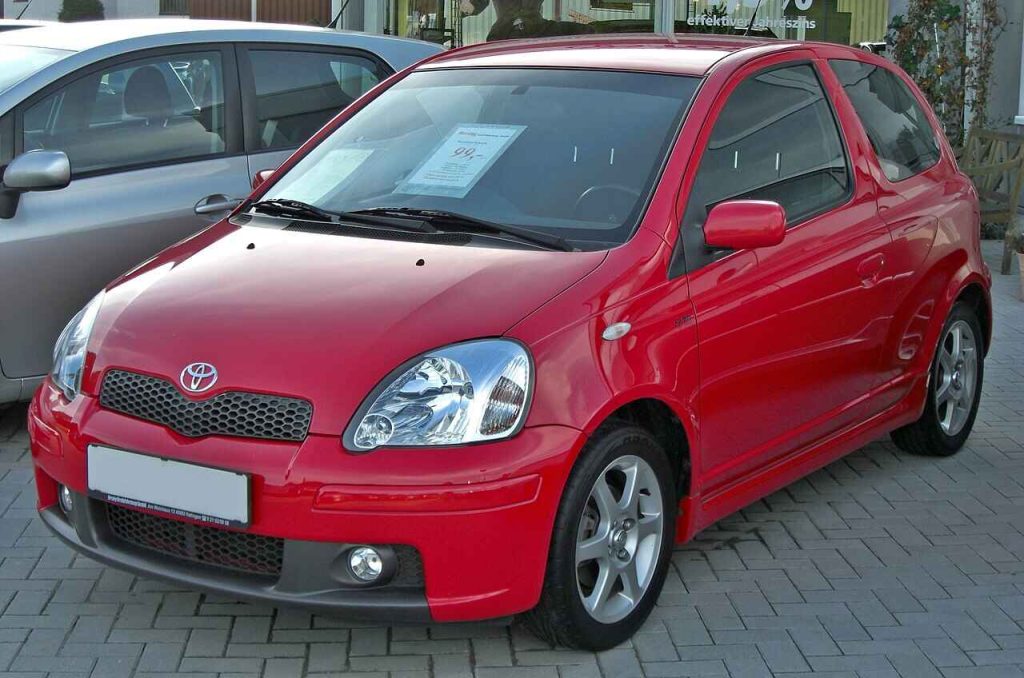
1. Toyota Yaris (Early Generations Commonly Found Cars Under $5,000)
The Toyota Yaris is one of the most frequently searched cars under 5000 for buyers who want basic, predictable transport.
Ratings Overview
| Factor | Rating |
|---|---|
| Reliability (Age-adjusted) | ⭐⭐⭐⭐☆ |
| Safety (Era-based) | ⭐⭐☆☆☆ |
| Running Costs | ⭐⭐⭐⭐☆ |
| Parts Availability | ⭐⭐⭐⭐⭐ |
| Overall Risk Level | Low–Medium |
Pros
- Simple engines with good longevity
- Excellent parts availability
- Low fuel consumption
- Strong reputation for reliability
Cons
- Minimal safety features
- Basic interior and comfort
- High kilometres common in this price range
Ownership Reality
For buyers considering cars under $5000 Australia, the Yaris works best as a short- to medium-term commuter. Expect limited comfort, but fewer surprise failures than many alternatives.
Walk away if the engine shows oil neglect or the transmission shifts harshly.
Toyota Yaris Prices (Common Under $5,000)
| Year Range | Typical Price Range (AUD) | Notes |
|---|---|---|
| 2005–2007 | $2,500 – $4,000 | Older examples with high km available |
| 2008–2010 | $4,500 – $4,900 | Mid-range kilometres |
| 2010–2012 | Up to $5,000 | Often high km or private sale |
Price context: Toyota Yaris listings under $5,000 show a range of early and mid–late 2000s models, with prices increasing as kilometres decrease.
2. Mazda 2 (Older Generations)
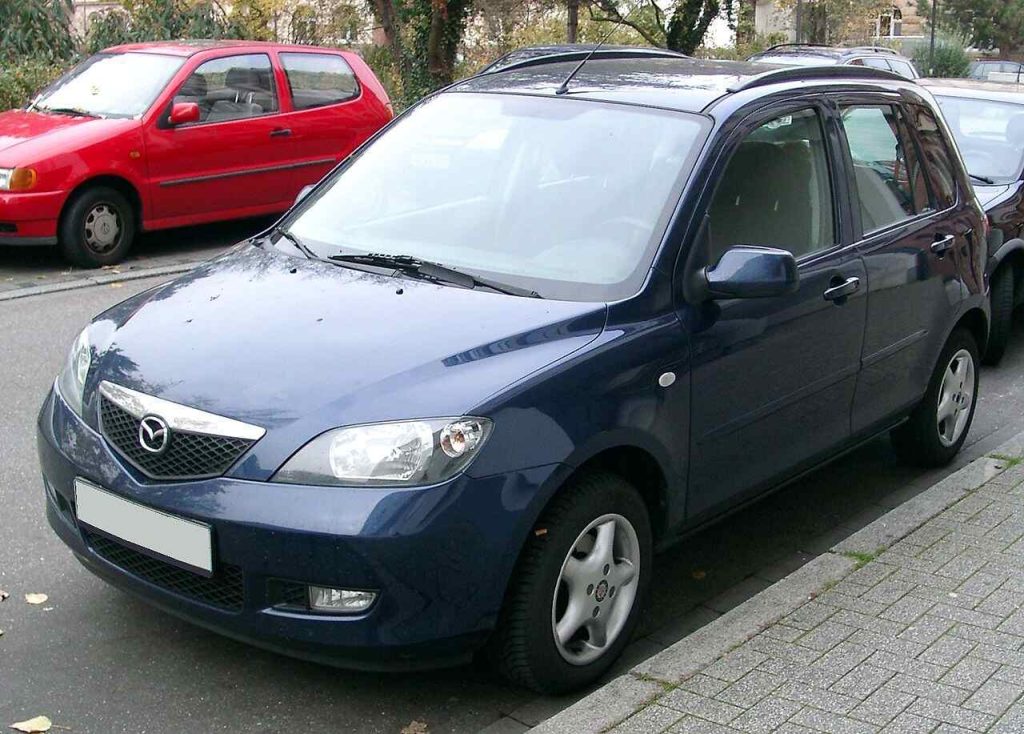
The Mazda 2 often appears in cheap cars under 5000 listings and attracts buyers wanting something small and easy to run.
Ratings Overview
| Factor | Rating |
|---|---|
| Reliability (Age-adjusted) | ⭐⭐⭐⭐☆ |
| Safety (Era-based) | ⭐⭐☆☆☆ |
| Running Costs | ⭐⭐⭐⭐☆ |
| Parts Availability | ⭐⭐⭐⭐☆ |
| Overall Risk Level | Low–Medium |
Pros
- Lightweight design reduces mechanical stress
- Good fuel economy
- Simple drivetrain
- Generally reliable if serviced
Cons
- Small interior and boot
- Road noise at speed
- Suspension wear common at high kilometres
Ownership Reality
Among used cars under 5000, the Mazda 2 suits city driving and short trips best. Suspension condition matters more than mileage alone.
Avoid examples with cooling system neglect or transmission hesitation.
Mazda 2 (Typical Listings Under $5,000)
| Year Range | Typical Price Range (AUD) | Notes |
|---|---|---|
| 2005–2007 | $2,200 – $4,000 | Older hatchbacks, higher kilometres |
| 2008–2010 | $3,000 – $4,800 | Common range for reliable units |
| 2010–2011 | Up to $5,000 | Lower km users willing to spend max budget |
Price context: Mazda 2 models appear frequently under $5,000, though the lowest prices often come with high kilometres or private sales.
3. Hyundai Getz
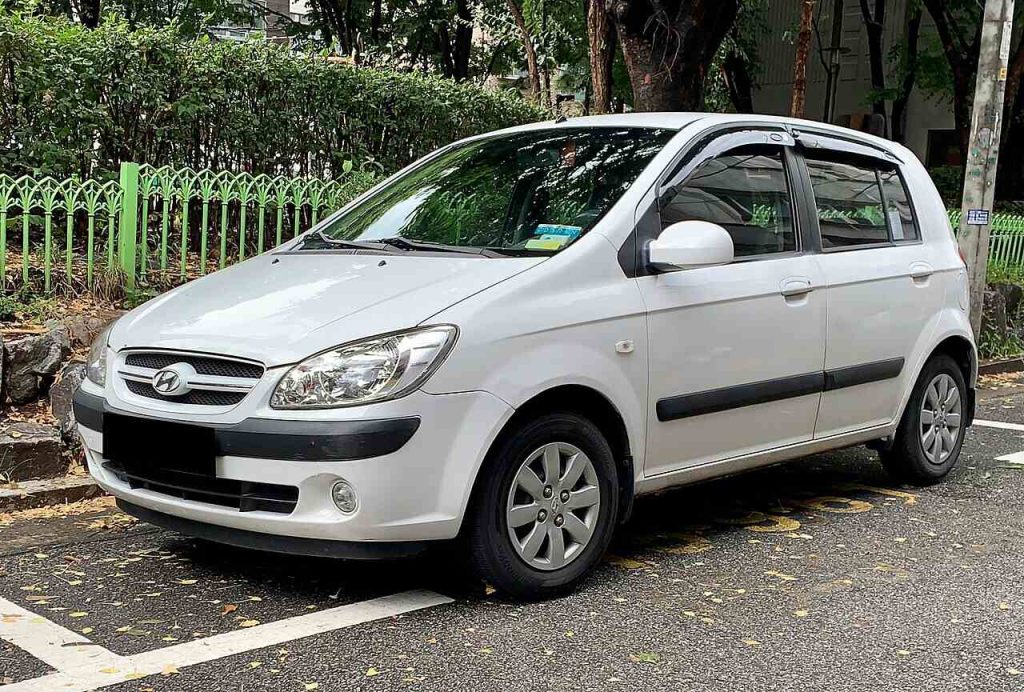
The Hyundai Getz remains one of the most common cars under $5,000 on the Australian used market.
Ratings Overview
| Factor | Rating |
|---|---|
| Reliability (Age-adjusted) | ⭐⭐⭐⭐☆ |
| Safety (Era-based) | ⭐⭐☆☆☆ |
| Running Costs | ⭐⭐⭐⭐☆ |
| Parts Availability | ⭐⭐⭐⭐☆ |
| Overall Risk Level | Low |
Pros
- Cheap and widely available parts
- Simple mechanical layout
- Easy to repair
- Low ownership costs
Cons
- Basic safety equipment
- Average build quality
- Interior wear common
Ownership Reality
For buyers searching cars under 5000 Australia, the Getz often delivers the lowest total cost of ownership. It’s not refined, but it’s predictable.
Avoid neglected automatics and cars with overheating history.
Hyundai Getz (Under $5,000 Examples)
| Year Range | Typical Price Range (AUD) | Notes |
|---|---|---|
| 2004–2007 | $2,000 – $4,200 | Early Getz models, higher kilometres |
| 2007–2009 | $3,300 – $4,900 | Mid-life models with varied km |
| 2009–2011 | $3,800 – $4,999 | Some dealer listings near top budget |
Price context: Most Hyundai Getz examples under $5,000 are older hatchbacks with a range of km — good for budget buyers who inspect condition closely.
4. Suzuki Swift (Older Non-Turbo Models)
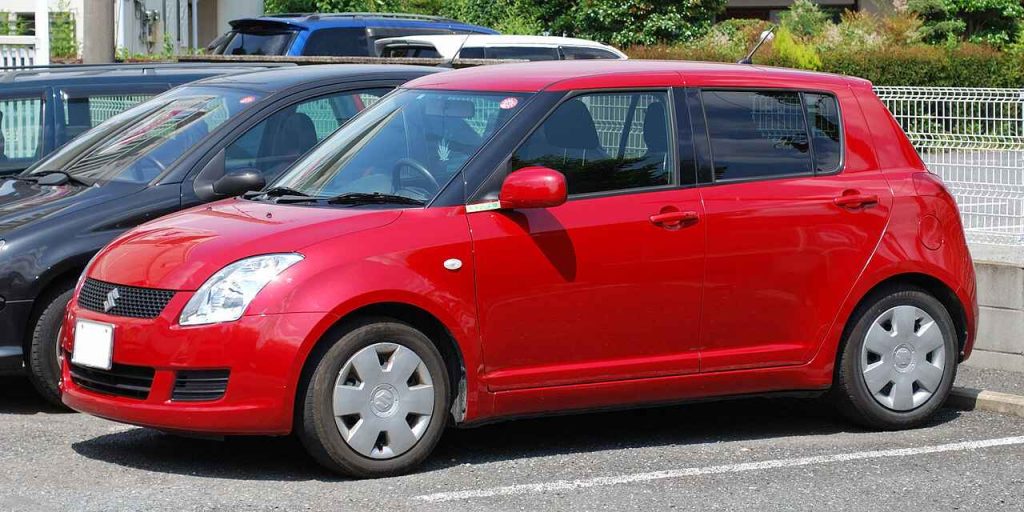
The Suzuki Swift is popular among buyers wanting something slightly more engaging while still staying within cars under $5000 Australia territory.
Ratings Overview
| Factor | Rating |
|---|---|
| Reliability (Age-adjusted) | ⭐⭐⭐⭐☆ |
| Safety (Era-based) | ⭐⭐☆☆☆ |
| Running Costs | ⭐⭐⭐⭐☆ |
| Parts Availability | ⭐⭐⭐⭐☆ |
| Overall Risk Level | Medium |
Pros
- Reliable naturally aspirated engines
- Reasonable fuel economy
- Easy to drive and park
- Good resale demand
Cons
- Limited crash protection
- Worn clutches common
- Suspension fatigue on rough roads
Ownership Reality
Among used cars under 5000, older Swifts can be acceptable if mechanically sound. Manual versions are usually safer than automatics at this price.
Avoid performance or modified examples.
Suzuki Swift (Listings Under $5,000)
| Year Range | Typical Price Range (AUD) | Notes |
|---|---|---|
| 2005–2007 | $2,000 – $4,000 | Older Swift examples with high km |
| 2008–2010 | $3,500 – $4,500 | Common price range |
| 2010–2012 | $4,500 – $5,000 | Higher end of budget listings |
Price context: Suzuki Swift hatchbacks under $5,000 are common across many states, with older or higher km examples selling for less and cleaner units near the top of the budget.
Summary: Why Small Hatchbacks Are the Safest Choice Under $5,000
Across the cars under 5000 market, small hatchbacks consistently offer:
- Lower repair bills
- Simpler mechanical systems
- Better fuel economy
- Easier resale
They are not exciting, luxurious, or future-proof — but they are the least risky way to buy cars under $5,000 in Australia.
What These Price Tables Show
- All four hatchback models do appear in the Australian used market under $5,000 — but usually as older or higher-kilometre examples rather than near-new condition.
- Prices vary widely by kilometres, region, private vs dealer sale, and condition — even within the same model year range.
- These figures aren’t guarantees — rather, they reflect current advertised listings to help set expectation for the cars under $5000 Australia budget.
Older Sedans Under $5,000 (More Space, Higher Trade-Offs)
For buyers searching cars under $5,000 in Australia who want more space, older sedans are often the next step up from small hatchbacks. These vehicles can offer better highway comfort and stronger engines, but they also introduce higher running costs and mechanical risk.
Among used cars under 5000, sedans are not automatically bad choices — but they require stricter inspection and more realistic expectations.
1. Toyota Corolla (Older Generations Commonly Found Under $5,000)
The Toyota Corolla remains one of the most searched cars under 5000 due to its reputation for reliability and parts availability.
Ratings Overview
| Factor | Rating |
|---|---|
| Reliability (Age-adjusted) | ⭐⭐⭐⭐☆ |
| Safety (Era-based) | ⭐⭐☆☆☆ |
| Running Costs | ⭐⭐⭐⭐☆ |
| Parts Availability | ⭐⭐⭐⭐⭐ |
| Overall Risk Level | Medium |
Pros
- Proven engine longevity
- Excellent parts supply nationwide
- Reasonable fuel economy for a sedan
- Simple mechanical layout
Cons
- High kilometres common
- Basic safety features only
- Suspension wear often overlooked
Ownership Reality
As one of the safer cars under $5000 Australia, the Corolla works best for buyers who prioritise predictability over comfort. Service history matters more than mileage alone.
Walk away from cars with overheating history or neglected timing components.
Toyota Corolla – Typical Prices Under $5,000
| Model Years Commonly Seen | Typical Price Range (AUD) | What This Usually Means |
|---|---|---|
| 1999–2002 | $2,000 – $3,500 | Very high km, basic condition |
| 2003–2005 | $3,000 – $4,500 | Most common under $5k |
| 2006–2007 | $4,500 – $5,000 | High km or cosmetic wear |
Price reality:
Most cars under $5000 Australia in this range are mechanically sound but cosmetically tired. Lower-km examples sell fast.
2. Mazda 3 (First-Generation Models)
The Mazda 3 appears frequently in used cars under 5000 Australia, often attracting buyers wanting a more modern feel.
Ratings Overview
| Factor | Rating |
|---|---|
| Reliability (Age-adjusted) | ⭐⭐⭐☆☆ |
| Safety (Era-based) | ⭐⭐⭐☆☆ |
| Running Costs | ⭐⭐⭐☆☆ |
| Parts Availability | ⭐⭐⭐⭐☆ |
| Overall Risk Level | Medium |
Pros
- Better handling than many rivals
- More refined interior than older sedans
- Widely available parts
Cons
- Suspension wear common
- Cooling system neglect can be costly
- Automatic transmissions require care
Ownership Reality
Among cheap cars under 5000, the Mazda 3 can be acceptable if well maintained. Manual versions generally carry lower risk at this price point.
Avoid vehicles with warning lights or rough idle.
Mazda 3 – Typical Prices Under $5,000
| Model Years Commonly Seen | Typical Price Range (AUD) | What This Usually Means |
|---|---|---|
| 2004–2006 | $2,500 – $4,000 | Higher km, mixed condition |
| 2007–2008 | $3,800 – $4,800 | Average km, private sale |
| 2009 | Up to $5,000 | Rare, usually needs work |
Price reality:
Among used cars under 5000, Mazda 3s near the top of the budget often require suspension or cooling attention.
3. Mitsubishi Lancer (Older Naturally Aspirated Models)
The Mitsubishi Lancer remains a popular option for buyers looking at cars under $5,000 with reasonable reliability.
Ratings Overview
| Factor | Rating |
|---|---|
| Reliability (Age-adjusted) | ⭐⭐⭐⭐☆ |
| Safety (Era-based) | ⭐⭐☆☆☆ |
| Running Costs | ⭐⭐⭐⭐☆ |
| Parts Availability | ⭐⭐⭐⭐☆ |
| Overall Risk Level | Medium |
Pros
- Simple, durable engines
- Affordable replacement parts
- Easy to service
Cons
- Basic interior quality
- Limited safety features
- High-km suspension wear
Ownership Reality
As cars under 5000 Australia go, the Lancer suits buyers who want straightforward ownership. Avoid performance variants and neglected automatics.
Mitsubishi Lancer – Typical Prices Under $5,000
| Model Years Commonly Seen | Typical Price Range (AUD) | What This Usually Means |
|---|---|---|
| 2001–2004 | $2,200 – $3,800 | Basic trim, high km |
| 2005–2007 | $3,500 – $4,800 | Most realistic under $5k |
| 2008 | $4,500 – $5,000 | Usually high km |
Price reality:
Lancers are common cars under 5000 Australia due to fleet and private ownership history, making parts and repairs manageable.
4. Ford Falcon (High-Kilometer Trade-Off)
The Ford Falcon often appears in cars under $5000 Australia searches due to its size and comfort.
Ratings Overview
| Factor | Rating |
|---|---|
| Reliability (Age-adjusted) | ⭐⭐⭐☆☆ |
| Safety (Era-based) | ⭐⭐⭐☆☆ |
| Running Costs | ⭐⭐☆☆☆ |
| Parts Availability | ⭐⭐⭐⭐⭐ |
| Overall Risk Level | Medium–High |
Pros
- Excellent ride comfort
- Strong engines
- Cheap parts availability
Cons
- High fuel consumption
- Suspension wear
- Cooling system sensitivity
Ownership Reality
Among used cars under 5000, Falcons make sense only if fuel costs and maintenance are understood upfront. Best suited for highway driving rather than short city trips.
Ford Falcon – Typical Prices Under $5,000
| Model Years Commonly Seen | Typical Price Range (AUD) | What This Usually Means |
|---|---|---|
| 1999–2002 | $1,800 – $3,000 | Very high km, cheap entry |
| 2003–2005 | $3,000 – $4,500 | Most listings under $5k |
| 2006 | $4,500 – $5,000 | High km, private sales |
Price reality:
Falcons dominate larger cars under $5000 searches but carry higher fuel and suspension costs than smaller sedans.
Important Note
- Prices vary significantly by state and seller type
- Private sellers dominate this price range
- Condition matters more than year
- A cheaper car with maintenance history is often safer than a newer neglected one
Summary: Are Older Sedans Worth It Under $5,000?
Compared to small hatchbacks, older sedans offer:
- More space
- Better highway comfort
- Stronger engines
But they also bring:
- Higher fuel usage
- More expensive repairs
- Greater suspension wear
For many buyers considering cars under 5000, sedans are a compromise — not an upgrade.
Car Types to Avoid Completely Under $5,000
When searching cars under $5,000 in Australia, knowing what to avoid is just as important as knowing what to buy. Many listings in this budget look attractive on the surface but carry disproportionate financial risk once ownership begins.
The vehicles below are common in cars under 5000 Australia searches — and they’re the ones most likely to turn a cheap purchase into an expensive mistake.
Luxury Brands (High Risk, Low Reward)
Luxury cars often appear tempting when filtered by cars under $5000 Australia, but the price drop exists for a reason.
Common issues include:
- Expensive parts regardless of vehicle age
- Labour-intensive repairs
- Electronics failures
- Suspension and drivetrain complexity
Even when purchased cheaply, luxury vehicles rarely behave like cheap cars under 5000 to maintain. A single repair can exceed the purchase price.
Reality:
If a luxury car was expensive to buy new, it’s still expensive to own when old.
Turbocharged Petrol Engines
Turbo petrol cars are among the riskiest used cars under 5000 Australia.
Common problems:
- Turbo wear or failure
- Oil starvation issues
- Heat-related engine stress
- Previous hard driving
Turbochargers are not “lifetime” components, and replacement costs alone often exceed the value of cars under 5000.
Reality:
Naturally aspirated engines age far more predictably at this price.
Older CVT Automatic Transmissions
Continuously Variable Transmissions (CVTs) are a major red flag in cars under $5,000.
Why they’re risky:
- Sensitive to fluid servicing
- High failure rates when neglected
- Limited repair options
- Full replacement often required
Most CVTs found in used cars under 5000 are well beyond their reliable lifespan.
Reality:
If a CVT fails, the car is often written off.
Neglected 4WDs and Large SUVs
A common mistake is searching for SUV under 5000 and assuming size equals value.
Common problems include:
- Worn drivetrains
- Failing differentials
- Suspension fatigue
- Cooling system stress
Large vehicles require consistent maintenance, and most cars under 5000 Australia in this category have not received it.
Reality:
Big cars magnify small problems into large repair bills.
Modified or “Project” Cars
Modified vehicles often appear in cheap cars under 5000 listings with claims of upgrades or performance improvements.
Risks include:
- Unknown workmanship
- Hard driving history
- Insurance complications
- Electrical faults
At this budget, modifications usually signal deferred maintenance.
Reality:
If a car needs “finishing,” you’ll pay to finish it.
Why Avoiding the Wrong Cars Matters More at $5,000
With cars under $5000 Australia, margin for error is extremely small.
- A $1,500 repair on a $20,000 car is inconvenient
- A $1,500 repair on a $4,000 car is catastrophic
Avoiding high-risk categories reduces the chance of regret and keeps ownership costs aligned with the budget.
SUVs Under $5,000: Are They Ever Worth It?
Searching for an SUV under $5,000 is extremely common, especially among families and buyers wanting a higher driving position. Unfortunately, this is also where many cars under $5,000 in Australia buyers make their most expensive mistakes.
At this budget, SUVs are not upgrades — they are compromises.
Why SUVs Are Riskier Under $5,000
SUVs are heavier, more complex vehicles. When new, that extra engineering improves comfort and capability. When old and neglected, it multiplies repair costs.
Most used cars under 5000 Australia that are SUVs suffer from:
- Worn suspension components
- Tired automatic transmissions
- Cooling system stress
- Drivetrain wear (especially AWD systems)
These issues are far less forgiving in large vehicles than in small hatchbacks.
When an SUV Under $5,000 Can Make Sense
There are limited situations where cars under 5000 that are SUVs can work.
An SUV may be acceptable if:
- It is used occasionally, not daily
- The buyer understands ongoing repair costs
- The vehicle has clear service history
- It is a simple 2WD model, not full-time AWD
- Expectations are short-term (1 year or less)
In these cases, the SUV is serving a temporary need, not long-term value.
When SUVs Under $5,000 Are a Bad Idea
For most buyers, SUVs in this price range should be avoided if:
- You rely on the car daily for work
- You drive mostly in the city
- Fuel costs matter
- You cannot afford unexpected repairs
- You expect reliability comparable to smaller cars
Most cheap cars under 5000 that are SUVs have already had the easy life squeezed out of them.
Common SUV-Specific Problems at This Budget
Buyers looking at cars under $5000 Australia often forget that SUV repairs scale with size.
Typical SUV failures include:
- Suspension bushings and control arms
- Failing wheel bearings
- Overworked automatic gearboxes
- Differential and transfer case wear
- Steering rack leaks
These repairs are rarely economical on used cars under 5000.
Ownership Cost Reality for SUVs Under $5,000
Compared to small hatchbacks or sedans, SUVs generally bring:
- Higher fuel consumption
- Higher insurance premiums
- More expensive tyres
- Greater suspension wear
Even if the purchase price fits the cars under 5000 budget, ownership often does not.
Bottom Line: Are SUVs Under $5,000 Worth It?
For most buyers, no.
SUVs under this budget:
- Carry higher financial risk
- Deliver poorer value
- Break more expensively
- Create regret more often
Unless there is a very specific, short-term need, buyers are usually better served by smaller cars under $5,000 in Australia that are cheaper to keep alive.
How to Inspect a Car Under $5,000 Before Buying (Step-by-Step Checklist)
When buying cars under $5,000 in Australia, inspection matters more than brand, badge, or year. At this budget, you are not buying perfection — you are deciding which problems you can live with and which ones will destroy the value of the car.
This checklist is designed for buyers inspecting used cars under 5000, whether from a private seller or a dealer.
Step 1: Documents You Must Check First
Before even starting the engine, confirm the paperwork. Many problems with cheap cars under 5000 start here.
Check for:
- Registration status (current or expired)
- VIN and engine number matching paperwork
- Seller’s name matches ID (private sale)
- Roadworthy certificate requirements in your state
- Any outstanding finance or encumbrances
If documents are unclear or excuses start early, walk away. There are always more cars under 5000 near me.
Step 2: Exterior Condition (What Matters, What Doesn’t)
Cosmetic issues are common on cars under $5000 Australia and often acceptable. Structural issues are not.
Acceptable at this budget:
- Faded paint
- Minor dents and scratches
- Worn headlights
- Interior wear
Red flags:
- Rust in structural areas
- Uneven panel gaps
- Fresh paint hiding damage
- Cracks in windscreen within driver view
- Signs of flood or water damage
Remember: cosmetic flaws lower price. Structural damage ends ownership early.
Step 3: Engine Bay Checks (High Risk Area)
Engines don’t need to look perfect — they need to be honest.
Look for:
- Oil leaks around seals and gaskets
- Coolant that is clean, not muddy or oily
- Belts that are not cracked or frayed
- No strong fuel or burning smells
Start the engine cold:
- It should start easily
- Idle should stabilise quickly
- No knocking, rattling, or metallic sounds
Most catastrophic failures in used cars under 5000 Australia start here.
Step 4: Cooling System (Critical for Old Cars)
Cooling failures are one of the top reasons cars under 5000 die prematurely.
Check:
- Radiator condition
- Coolant level and colour
- Overheating during test drive
- Heater working properly (often linked to cooling flow)
If a seller dismisses cooling concerns, walk away. Cooling neglect is rarely cheap to fix.
Step 5: Transmission and Drivetrain
Transmission repairs often exceed the value of cars under $5,000.
Automatic transmission checks:
- Smooth gear changes
- No slipping or jolting
- No delay when shifting into drive or reverse
Manual transmission checks:
- Clutch engagement not too high
- No grinding when changing gears
- No clutch slip under acceleration
Avoid cars with unknown transmission behaviour. At this budget, repairs are rarely economical.
Step 6: Suspension, Steering, and Brakes
Wear is normal in used cars under 5000 — excessive wear is not.
During test drive:
- No clunking over bumps
- Steering should not wander
- Brakes should feel firm, not spongy
- Car should track straight under braking
Suspension repairs are manageable if priced correctly. Steering and brake faults are more serious.
Step 7: Electrical Systems (Often Overlooked)
Electrical issues are common in cars under $5000 Australia due to age.
Test:
- Windows and locks
- Lights and indicators
- Dashboard warning lights
- Air conditioning (if fitted)
A non-working air conditioner isn’t a dealbreaker — unexplained warning lights are.
Step 8: The Test Drive (Never Skip This)
A proper test drive reveals what listings don’t.
Pay attention to:
- Engine response
- Gearbox behaviour
- Vibrations at speed
- Unusual noises
- Temperature gauge movement
If the seller won’t allow a proper drive, walk away. There are plenty of used cars near me under 5000.
Step 9: When to Walk Away Immediately
Do not negotiate. Just leave if you see:
- Overheating
- Transmission slipping
- Structural rust
- Seller pressure tactics
- “Easy fix” claims without proof
- Inconsistent stories about ownership or history
At this budget, walking away is a skill.
Why This Checklist Matters More Under $5,000
With cars under 5000, the difference between a tolerable car and a financial disaster is often one missed detail.
- You are not buying reliability
- You are buying remaining lifespan
- Every ignored issue shortens that lifespan
A careful inspection protects you more than any badge or reputation ever will.
Private Seller vs Dealer Under $5,000: What’s the Safer Option?
When searching for cars under $5,000 in Australia, buyers usually face a choice: buy from a private seller or a dealer. At this price point, the differences matter more than many people realise.
Both options carry risk. The key is knowing where the risk sits and which one suits your situation.
Buyers should also understand that vehicles sold by licensed dealers are covered by consumer guarantees under the Australian Consumer Law (Lemon Laws for Cars), which provide protections if a car is not of acceptable quality.
Buying From a Private Seller Under $5,000
Most used cars under 5000 are sold privately. This is where the cheapest prices are found — and where the most caution is required.
Pros
- Lower purchase price
- Greater room for negotiation
- Direct access to the car’s previous owner
- Larger selection of cars under 5000 near me
Cons
- No statutory warranty
- Limited legal protection
- Higher chance of undisclosed issues
- Sellers may lack documentation
What to Watch For
- Inconsistent ownership stories
- Pressure to buy quickly
- “Sold as-is” language without inspection
- Recently cleared warning lights
For cheap cars under 5000, private sellers are often acceptable — but only if inspection is thorough and expectations are realistic.
Buying From a Dealer Under $5,000
Dealers selling cars under $5000 Australia typically offer older trade-ins or wholesale vehicles.
Pros
- Clear transfer paperwork
- Business reputation at stake
- Easier transaction process
- Some consumer law protections apply
Cons
- Higher prices than private sales
- Limited vehicle choice under $5k
- Minimal reconditioning at this price
- Short or no warranty
Dealers rarely invest heavily in used cars under 5000, so don’t expect major repairs to be addressed before sale.
Which Option Is Actually Safer?
There is no universally safer option for cars under 5000 — only better-aligned choices.
Choose a private seller if:
- You can inspect confidently
- You understand mechanical risk
- You want the lowest price
Choose a dealer if:
- Paperwork matters more than price
- You want a simpler transaction
- You value accountability over savings
In both cases, inspection matters more than the seller type.
Common Red Flags Regardless of Seller
Avoid any cars under $5,000 with:
- Refusal to allow inspection
- No test drive
- Pressure to deposit immediately
- Vague explanations about problems
- Claims that issues are “cheap fixes”
With used cars under 5000 Australia, transparency is non-negotiable.
Negotiation Reality at This Budget
Negotiation exists, but margins are small.
- Expect modest discounts
- Use inspection findings, not emotion
- Be prepared to walk away
Buyers willing to walk away often get better outcomes when shopping cars under 5000 near me.
Bottom Line: Private or Dealer?
At cars under $5,000, safety comes from:
- Inspection quality
- Realistic expectations
- Willingness to walk away
Not from who is selling the car.
Running Costs You Must Budget For With Cars Under $5,000
One of the biggest mistakes buyers make with cars under $5,000 in Australia is focusing only on the purchase price. At this end of the market, running costs often matter more than what you pay upfront.
Many used cars under 5000 are cheap to buy but expensive to keep on the road if you don’t budget properly.
Registration and Compulsory Costs
Regardless of vehicle value, registration costs remain largely the same.
Budget for:
- Registration renewal (varies by state)
- Compulsory third party insurance
- Roadworthy or inspection costs if required
For cars under $5000 Australia, registration alone can represent a significant percentage of the car’s value.
Insurance Costs (Often Overlooked)
Insurance on cheap cars under 5000 is often misunderstood.
What to expect:
- Comprehensive insurance may not be cost-effective
- Third-party property insurance is strongly recommended
- Premiums may be higher for older cars due to risk profile
Never skip insurance entirely. A single accident can exceed the value of used cars under 5000 many times over.
Fuel Costs (Age Matters)
Older engines are rarely fuel-efficient by modern standards.
Expect:
- Higher fuel consumption than newer equivalents
- Less efficient automatic transmissions
- Poor stop-start efficiency in city driving
This is especially true for larger cars under 5000, such as sedans and SUVs.
Maintenance and Servicing
Routine maintenance is unavoidable.
Budget annually for:
- Oil and filter changes
- Brake pads and rotors
- Tyres
- Belts and hoses
With cars under $5,000, deferred maintenance from previous owners often becomes your responsibility.
Repairs and Unexpected Failures
This is where many buyers underestimate costs.
Common unexpected repairs include:
- Alternators and starters
- Cooling system components
- Suspension bushings
- Wheel bearings
- Sensors and electrical faults
A realistic repair buffer for used cars under 5000 Australia is essential. Without it, even minor failures can force an early sale.
Tyres and Consumables
Older cars often sit on mismatched or worn tyres.
Budget for:
- Full tyre replacement within ownership
- Alignment and balancing
- Brake fluid and coolant changes
Consumables quietly add up with cars under 5000.
Short Ownership Horizon Reality
Most buyers should plan for:
- 1 to 3 years of usable life
- Increasing repair frequency over time
- Declining resale value
This is normal for cars under $5000 Australia and should be factored in from day one.
Why Running Costs Matter More Than Purchase Price
A $3,500 car that needs $2,000 in repairs is not cheaper than a $5,000 car that needs nothing immediately.
For cars under 5000, success comes from:
- Buying the least neglected example
- Budgeting conservatively
- Accepting limited lifespan
Cars Under $5,000 Near Me: Market Traps to Watch For
Searching cars under $5,000 near me feels convenient, but local listings often hide the highest-risk vehicles in this price range. Proximity should never replace due diligence — especially when dealing with used cars under 5000 Australia.
This section helps buyers recognise common local-market traps before money changes hands.
Many costly errors at this budget are avoidable, particularly those outlined in this guide on common mistakes to avoid when buying a used car.
Trap 1: “Urgent Sale” and High-Pressure Listings
Many cars under 5000 near me are advertised with urgency:
- “Moving overseas”
- “Need gone today”
- “First to see will buy”
While some urgent sales are genuine, urgency is often used to:
- Avoid inspections
- Rush decisions
- Distract from mechanical issues
If pressure replaces transparency, walk away. There will always be more cars under $5000 Australia available.
Trap 2: Fresh Listings With No Details
Be cautious of listings that:
- Have very few photos
- Avoid mentioning kilometres
- Skip service history
- Use generic descriptions
Vague ads are common among problematic cheap cars under 5000. Honest sellers usually provide detail, even when the car isn’t perfect.
Trap 3: Recently Cleared Warning Lights
One of the most dangerous traps in used cars under 5000 is recently reset warning systems.
Warning signs include:
- Dashboard lights briefly appearing then disappearing
- Seller claiming “battery was just changed”
- Scan tools not allowed during inspection
Electrical or engine faults often reappear shortly after purchase.
Trap 4: Backyard Dealers Posing as Private Sellers
Some “private sellers” are effectively unlicensed dealers.
Red flags include:
- Multiple cars for sale under the same profile
- Generic answers about vehicle history
- Refusal to provide full details
- No personal ownership story
These sellers dominate many cars under 5000 near me searches and often offer no accountability after sale.
Trap 5: Unrealistic Pricing Compared to the Market
Extremely cheap listings usually exist for a reason.
If a car is:
- Far cheaper than similar models
- Recently listed at a steep discount
- Missing critical information
Assume there’s an issue until proven otherwise.
In the cars under 5000 Australia market, good cars don’t stay cheap for long.
Trap 6: Location-Based Emotional Decisions
Buying locally feels safer, but:
- Familiar suburbs don’t equal honest sellers
- Distance can actually reduce competition
- Regional sellers often provide more realistic pricing
Expanding your search slightly often improves quality within used cars under 5000 listings.
How to Shop Smarter Locally Under $5,000
To reduce risk when searching cars under $5,000 near me:
- Compare at least 5 similar listings
- Inspect during daylight
- Never skip test drives
- Don’t be afraid to walk away
- Bring a second opinion if possible
At this budget, patience is more valuable than proximity.
Why Local Market Awareness Matters
The biggest mistakes with cars under 5000 aren’t mechanical — they’re emotional.
Buyers rush because:
- The car is close
- The price feels cheap
- They fear missing out
Smart buyers wait. And waiting almost always pays off in the used cars under 5000 Australia market.
Cars Under $5,000 vs Cars Under $10,000: The Real Difference
Many buyers start their search focused on cars under $5,000 in Australia, but a large percentage end up wishing they had stretched their budget. This comparison isn’t about pushing you to spend more — it’s about helping you understand what actually changes when you move from $5,000 to $10,000.
The difference is often larger than people expect.
If your budget is flexible, it’s worth reviewing this broader cars by budget guide in Australia to understand how outcomes change as spending increases.
Vehicle Age and Kilometres
With cars under 5000, age and kilometres are the biggest compromises.
Typical differences:
- Cars under $5,000: older vehicles, high kilometres, end-of-life components
- Cars under $10,000: newer models, lower kilometres, more usable lifespan
Many used cars under 5000 Australia are already in their final ownership phase, while cars under $10,000 often still have years of reliable use left.
Safety Improvements
Safety is one of the clearest upgrades when moving beyond cars under $5,000.
Cars under $10,000 are far more likely to include:
- Stability control
- Side and curtain airbags
- Improved crash structures
- Better braking systems
Most cheap cars under 5000 lack these features entirely, which matters in modern traffic conditions.
Reliability and Maintenance Burden
At $5,000:
- Deferred maintenance is common
- Repairs are frequent
- One major failure can end ownership
At $10,000:
- Maintenance is still required, but less urgent
- Major systems are usually mid-life, not end-of-life
- Repairs are more predictable
For many buyers, the lower stress of ownership alone justifies moving beyond cars under 5000 Australia.
Running Costs Over Time
While cars under $5,000 cost less upfront, they often cost more over time.
Common differences:
- Higher fuel consumption
- More frequent repairs
- Lower resale value
- Shorter usable lifespan
A $9,000 car that lasts five years often costs less overall than a $4,000 car that lasts one.
Resale Reality
Resale value behaves very differently across these budgets.
- Used cars under 5000 often become near-unsellable within a short time
- Cars under $10,000 usually retain resale demand
- Repair costs can exceed resale value quickly at the $5k level
If resale matters at all, stretching the budget reduces risk significantly.
Who Should Stick With Cars Under $5,000
Staying in the cars under 5000 range still makes sense if:
- You need short-term transport
- You can handle repairs
- You accept limited safety and comfort
- You have a strict budget ceiling
For temporary needs, $5,000 cars can still serve a purpose.
Buyers who decide this budget is workable can explore available cars for sale in Australia to compare prices, conditions, and seller types before committing.
Who Should Consider Increasing the Budget
You should strongly consider moving toward cars under $10,000 if:
- You rely on the car daily
- You cannot afford surprise repairs
- Safety is important
- You want longer ownership
- You plan to resell later
For many buyers, increasing the budget reduces both financial and emotional stress.
The Real Question Isn’t Price — It’s Risk
The gap between cars under $5,000 in Australia and cars under $10,000 is not about luxury. It’s about risk tolerance.
- $5,000 buys remaining life
- $10,000 buys usable life
Understanding that difference helps buyers avoid regret.
When You Should Increase Your Budget Instead of Buying a $5,000 Car
Not every buyer searching cars under $5,000 in Australia should actually stay at that budget. In many cases, increasing your budget slightly can reduce total cost, stress, and regret over time.
This section helps you decide when sticking to cars under 5000 makes sense — and when it doesn’t.
For buyers seeking longer ownership and fewer compromises, browsing used cars under $15,000 in Australia often delivers far better long-term value.
If You Depend on Your Car Daily
If your car is essential for:
- Getting to work
- School drop-offs
- Long daily commutes
- Earning income (rideshare, deliveries, trades)
Then used cars under 5000 Australia are often a poor fit.
Daily dependence magnifies:
- Breakdowns
- Missed work
- Emergency repair costs
- Stress and unreliability
In these cases, increasing the budget usually saves money long term.
If You Can’t Afford Unexpected Repairs
With cars under $5000 Australia, repairs are not “if” — they’re “when”.
If you:
- Don’t have a repair buffer
- Can’t afford $1,000–$2,000 surprises
- Would struggle without transport for days
Then the financial risk of cheap cars under 5000 is often too high.
Spending more upfront often reduces exposure to sudden failures.
If Safety Is a Priority
Safety expectations matter.
If you:
- Regularly carry passengers
- Drive long distances
- Travel on highways
- Drive in heavy traffic
Most cars under 5000 will feel outdated compared to newer vehicles.
Increasing your budget significantly improves:
- Crash protection
- Stability systems
- Braking performance
- Driver assistance features
This is one of the strongest arguments for moving beyond cars under $5,000.
If You Plan to Keep the Car Long-Term
Cars under 5000 Australia are usually short-term solutions.
If your plan is:
- 4–5 years of ownership
- Minimal downtime
- Predictable expenses
- Reasonable resale value
Then increasing your budget almost always makes sense.
Long-term ownership and $5,000 cars rarely align.
If Fuel and Running Costs Matter
Older cars are rarely efficient.
If:
- Fuel costs impact your budget
- You drive mostly in the city
- You want predictable servicing
Then higher-budget vehicles often cost less overall, even if the purchase price is higher.
This is especially true compared to larger cars under 5000, such as sedans and SUVs.
A Small Budget Increase Can Change Everything
Moving from cars under $5,000 to higher brackets often unlocks:
- Better safety
- Lower kilometres
- Fewer immediate repairs
- Longer usable life
- Better resale demand
Even a modest increase can dramatically reduce ownership risk.
When Sticking to $5,000 Still Makes Sense
Despite the risks, cars under 5000 are still valid if:
- You need temporary transport
- You understand mechanical risk
- You can inspect carefully
- You accept limited lifespan
The key is alignment between budget and expectations.
The Smart Way to Decide
Instead of asking:
“Can I buy a car for $5,000?”
Ask:
“Can I afford the risk that comes with it?”
If the answer is no, increasing your budget is often the smarter move — even if it feels uncomfortable upfront.
Realistic Ownership Expectations for Cars Under $5,000 (1–3 Years)
Buying cars under $5,000 in Australia is not about finding a long-term asset. It’s about managing expectations and understanding how ownership typically plays out over a short horizon. Buyers who go in with realistic assumptions are far less likely to feel disappointed or financially trapped.
This section sets honest expectations for owning used cars under 5000 Australia.
Expected Lifespan: Think in Phases, Not Years
Most cars under 5000 fall into one of three remaining-life phases:
Phase 1: “Usable but Tired” (0–12 months)
- Car is driveable and mostly functional
- Minor issues already present
- Repairs begin to appear gradually
Phase 2: “Maintenance-Heavy” (12–24 months)
- More frequent repairs
- Suspension, cooling, or electrical issues
- Rising running costs
Phase 3: “Decision Point” (24–36 months)
- One major repair often ends ownership
- Resale value drops sharply
- Owners decide whether to repair or move on
Very few cheap cars under 5000 move beyond this phase economically.
Repair Frequency: What’s Normal vs What’s Not
For used cars under 5000, repairs are part of ownership — not exceptions.
Normal expectations:
- Minor repairs every 6–12 months
- Wear-and-tear items needing attention
- Occasional warning lights
Not normal (walk-away signs):
- Repeated overheating
- Transmission slipping
- Persistent electrical failures
- Structural rust worsening rapidly
Knowing the difference helps owners avoid throwing money at cars that are past saving.
Downtime and Inconvenience
One often-overlooked cost of cars under $5000 Australia is downtime.
Expect:
- Occasional days without the car
- Waiting for parts or repairs
- Transport alternatives needed temporarily
If downtime would seriously disrupt your life, a higher budget may be more suitable.
Comfort and Technology Expectations
Comfort levels in cars under 5000 are modest by modern standards.
Typical realities:
- Basic interiors
- Minimal sound insulation
- Older infotainment or none at all
- Less refined ride quality
These cars are functional, not enjoyable. Accepting that prevents disappointment.
Resale Reality After Ownership
Resale value behaves differently at this price point.
After 1–3 years:
- Many cars under $5,000 sell for very little
- Some become uneconomical to sell at all
- Scrap or trade-in may be the only option
This is normal and should be factored into the original purchase decision.
The “Use It Until It Stops” Mindset
The healthiest mindset for cars under 5000 Australia ownership is:
- Buy carefully
- Maintain minimally but responsibly
- Avoid large upgrades
- Drive it as long as it makes financial sense
- Walk away when it doesn’t
Trying to turn a $5,000 car into a “good car” often costs more than buying a better one upfront.
Who Is Most Satisfied With $5,000 Cars?
Buyers who are happiest with used cars under 5000 usually:
- Needed short-term transport
- Had realistic expectations
- Didn’t overspend on repairs
- Were emotionally prepared to walk away
Those expecting reliability, comfort, or longevity often feel let down.
What Are the Most Reliable Cars Under $5,000? (Realistic Expectations)
When people search for the most reliable cars under $5,000, they’re usually not expecting perfection. What they actually want is the least risky option — a car that is less likely to suffer immediate, wallet-breaking failures compared to others in the same budget.
At this price point, reliability does not mean trouble-free ownership. It means:
- Simpler mechanical design
- Proven engines that tolerate age and kilometres
- Cheap, widely available parts
- Predictable maintenance patterns
With that in mind, here’s how reliability realistically plays out among cars under $5,000 in Australia.
Buyers prioritising long-term dependability may also want to review broader reliability trends across the most reliable cars in Australia before finalising a decision.
Reliability Reality at the $5,000 Level
All used cars under 5000 Australia share common constraints:
- High kilometres
- Age-related wear
- Inconsistent service history
So instead of ranking “best” cars, it’s more accurate to look at which models tend to hold together better when neglected or driven into old age.
Understanding how older vehicles compare against national benchmarks is easier when reviewing established car reliability ratings in Australia.
Small Hatchbacks: Lowest Reliability Risk Overall
Small hatchbacks consistently dominate searches for reliable used cars under 5000, and for good reason.
1. Toyota Yaris — Relative Reliability: High
Why it holds up better:
- Simple naturally aspirated engines
- Strong tolerance for missed servicing
- Excellent parts availability
- Low mechanical stress due to light weight
Among cars under $5000 Australia, the Yaris is one of the least likely to suffer catastrophic engine or transmission failure if reasonably maintained.
2. Hyundai Getz — Relative Reliability: High
Why it performs well:
- Very basic mechanical layout
- Cheap and plentiful parts
- Easy repairs even when things go wrong
The Getz isn’t refined, but it’s one of the cheap cars under 5000 that owners often keep running longer than expected due to low repair costs.
3. Mazda 2 — Relative Reliability: Medium–High
Why it’s generally dependable:
- Lightweight construction
- Straightforward engines
- Good fuel economy reduces engine stress
Mazda 2 models in the used cars under 5000 category tend to be reliable if cooling systems and suspension are maintained.
Older Sedans: Moderate Reliability With Trade-Offs
Sedans can still be among the most reliable cars under $5,000, but the margin for error is smaller.
1. Toyota Corolla — Relative Reliability: Medium–High
Why it still ranks well:
- Long-running engine designs
- Outstanding parts availability
- Well-understood mechanical issues
Among cars under 5000 Australia, Corollas often survive neglect better than most competitors — but suspension and cooling systems must be checked carefully.
2. Mitsubishi Lancer — Relative Reliability: Medium
Why it’s acceptable:
- Durable naturally aspirated engines
- Affordable repairs
- Simple drivetrain options
Lancers can be reliable used cars under 5000, but they often show age in suspension and interior components.
3. Mazda 3 — Relative Reliability: Medium
Why it’s more conditional:
- Better driving dynamics
- Slightly more complexity
- More sensitive to maintenance lapses
Mazda 3 models can be among the most reliable cars under $5000 only when properly maintained. Neglect significantly increases risk.
What Reliability Does Not Mean Under $5,000
It’s important to reset expectations.
Even the most reliable cars under $5,000:
- Will need repairs
- Will have downtime
- Will not feel modern
- Will not last indefinitely
Reliability here means lower probability of immediate failure, not immunity.
Cars Least Likely to Be Reliable Under $5,000
Across cars under 5000, reliability drops sharply when vehicles include:
- Turbocharged petrol engines
- Older CVT transmissions
- Luxury brand complexity
- Neglected AWD or 4WD systems
Avoiding these categories matters more than chasing any specific model.
Bottom Line on Reliability at This Budget
If reliability is your top priority when shopping cars under $5,000 in Australia:
- Focus on small, simple hatchbacks
- Prefer naturally aspirated engines
- Value service history over low kilometres
- Choose cheap, common parts over prestige
The most reliable used cars under 5000 are not the newest or nicest — they’re the simplest and most predictable.
Final Advice: Is a Car Under $5,000 Worth It?
Buying cars under $5,000 in Australia can make sense — but only for the right buyer, with the right expectations. This price point is no longer about finding a bargain. It’s about buying remaining usability, not long-term reliability.
For some people, that trade-off is acceptable. For others, it leads to frustration and regret.
When a $5,000 Car Is Worth It
Cars under 5000 can be a reasonable choice if:
- You need short-term transport
- You understand mechanical risk
- You can inspect carefully or get help
- You have a repair buffer
- You accept limited safety and comfort
In these situations, used cars under 5000 Australia can serve their purpose without major disappointment.
When a $5,000 Car Is a Poor Decision
You should reconsider cars under $5000 Australia if:
- You rely on your car daily
- You cannot afford unexpected repairs
- Safety is a priority
- You plan to keep the car long-term
- Downtime would seriously impact your life
In these cases, the lower upfront price often leads to higher long-term cost.
The Biggest Mistake Buyers Make
The most common mistake is treating cheap cars under 5000 like normal used cars.
They are not.
At this budget:
- Repairs are normal
- Breakdowns are expected
- Resale value declines quickly
- One major failure often ends ownership
Understanding this prevents emotional decisions and sunk-cost frustration.
The Smarter Way to Use the $5,000 Budget
If you proceed with cars under 5000, the smartest approach is:
- Buy the simplest car possible
- Prioritise condition over age
- Avoid complex engines and drivetrains
- Walk away easily
- Stop repairing when costs no longer make sense
This mindset protects your finances more than chasing any specific model.
A Final Reality Check
Cars under $5,000 in Australia are no longer cheap transport in the traditional sense. They are short-term solutions in a tight market.
For many buyers, increasing the budget slightly unlocks:
- Better safety
- Lower kilometres
- Fewer repairs
- Longer ownership
But for those who truly need to stay under $5,000, success comes from expectation management, careful inspection, and emotional discipline.
Frequently Asked Questions About Cars Under $5,000 in Australia
Are cars under $5,000 reliable in Australia?
Cars under $5,000 in Australia can be reliable in a limited, realistic sense. Reliability at this price does not mean trouble-free ownership. It means the car is less likely to suffer immediate major failure if it has a simple engine, reasonable service history, and no critical warning signs. Most used cars under 5000 will still require repairs over time.
What is the best type of car to buy under $5,000?
At this budget, the safest choices are small hatchbacks with naturally aspirated engines. These cars generally have lower repair costs, better fuel efficiency, and fewer complex systems. Compared to larger vehicles, cars under 5000 Australia in this category tend to survive age and neglect better.
Can you get a roadworthy car for under $5,000?
Yes, it is possible to find cars under $5000 Australia with a valid roadworthy certificate, but availability depends on state rules and seller type. Many private sellers sell without a roadworthy, meaning the buyer must factor inspection and repair costs into the total budget.
What mileage is too high for cars under $5,000?
For used cars under 5000 Australia, mileage alone is not the deciding factor. Many cars in this price range exceed 250,000 km. A well-maintained high-kilometre car can be safer than a low-kilometre vehicle with poor servicing. Condition and maintenance history matter more than the number on the odometer.
Are cars under $5,000 expensive to maintain?
They can be. While cheap cars under 5000 are inexpensive to buy, maintenance and repairs are common due to age. Buyers should budget for ongoing servicing, wear-and-tear items, and occasional unexpected failures. Ownership costs often exceed expectations if no repair buffer is planned.
Is it better to buy cars under $5,000 from a dealer or private seller?
Most cars under 5000 near me are sold privately, offering lower prices but less protection. Dealers may offer clearer paperwork and accountability but usually at a higher price. Neither option guarantees safety — inspection quality matters more than who sells the car.
Are SUVs under $5,000 worth buying?
In most cases, no. SUVs under 5000 often have higher running costs, worn suspension, and drivetrain issues. Unless the vehicle is used short-term and the buyer understands the risks, smaller cars usually offer better value and reliability within the cars under $5,000 budget.
How long do cars under $5,000 usually last?
Most cars under $5000 Australia offer a remaining usable life of around 1 to 3 years, depending on condition and maintenance. Some last longer, but ownership usually ends when a major repair exceeds the car’s value.
Is it worth buying a car under $5,000 instead of public transport?
It depends on usage. If short-term mobility is essential, used cars under 5000 can make sense. However, for buyers who drive infrequently or face high repair risk, public transport or increasing the car budget may be more cost-effective.
Why are there so many cheap cars under $5,000 available?
Many cars under 5000 Australia reach this price due to age, kilometres, deferred maintenance, or upcoming repair needs. Cheap pricing reflects remaining lifespan rather than value. Good examples sell quickly, while problematic cars stay listed longer.
Should I increase my budget instead of buying under $5,000?
If you rely on your car daily, want better safety, or cannot afford repair surprises, increasing your budget often results in lower total ownership cost. While cars under $5,000 can work short-term, higher budgets usually reduce risk and stress.
Selling your car?
List your vehicle on AusCarSales and connect with buyers across Australia.
Sell Your Car