
Selling a car without rego? Learn how to sell an unregistered car in Australia legally, fast, and without fines. Step-by-step guide for 2025.
Selling a car can be stressful enough—but when it’s unregistered, the process can feel even more complicated. Whether your rego has lapsed, the car failed a roadworthy, or it’s been sitting unused for months, you might be wondering if it’s even legal to sell an unregistered car in Australia.
The short answer is yes—you can. In fact, many people sell an unregistered car every day through private sales, trade-ins, or direct to wreckers. The key is to understand your obligations, prepare the right paperwork, and know how to approach the sale based on your state’s laws.
In Victoria, for example, VicRoads outlines specific rules for transferring or cancelling registration. You’ll need to lodge a notice of disposal and provide proof of ownership. In other states, such as NSW or Queensland, roadworthy requirements vary, but the core legal process remains the same.
This guide will walk you through exactly how to sell an unregistered car—safely, legally, and without unnecessary delays. Whether you’re in Melbourne, Brisbane, or any other part of Australia, these steps will help you navigate the process with confidence.
If you’re ready to list right away, you can also visit our Sell My Car page to begin the process online in minutes.
Let’s explore what makes an unregistered car sale different—and how to get it done the right way.
Is It Legal to Sell an Unregistered Car in Australia?
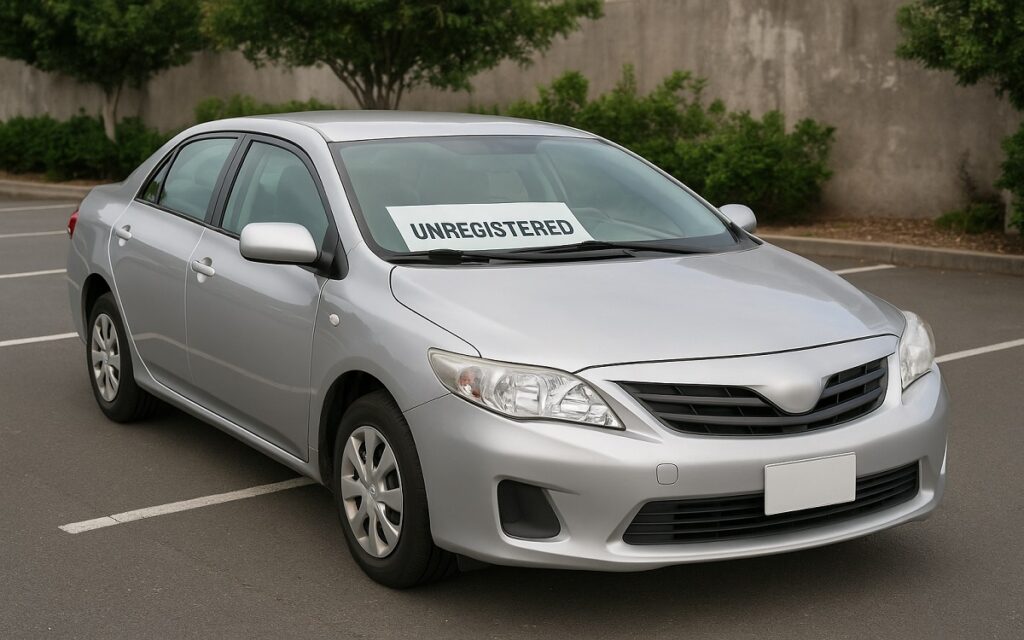
Yes, it is legal to sell an unregistered car in Australia—but there are specific rules and steps you must follow depending on the state or territory you’re in. The key legal requirement is that you disclose the unregistered status of the vehicle to the buyer and complete the appropriate paperwork to avoid future liability.
What Qualifies as an “Unregistered Car”?
A car is considered unregistered if:
- Its registration has expired
- It was never registered in your name
- It has been cancelled due to insurance write-off or ownership issues
- It’s failed a roadworthy inspection and hasn’t been renewed
Whether you’re trying to sell an unregistered car that just recently expired or one that’s been off the road for years, the rules are similar—you must transfer ownership properly and notify the relevant transport authority.
State-by-State Summary
While the process is broadly similar nationwide, here are key state-level differences:
Victoria (VicRoads):
- You can sell without a roadworthy certificate if the car is unregistered.
- Buyer will need to register it in their name and obtain their own roadworthy.
- You must lodge a Notice of Disposal with VicRoads.
New South Wales (Service NSW):
- The sale must be accompanied by proof of purchase and a completed transfer form.
- A blue slip is required if the buyer wishes to re-register it later.
Queensland (TMR):
- Unregistered vehicle sales are legal, but you should still provide a receipt and vehicle details (VIN, engine number).
- Roadworthy is only needed if the car is re-registered later.
The most important thing is to sell an unregistered car with full transparency. Don’t attempt to sell it as registered if it’s not—that can lead to fines or legal complications.
Common Reasons Cars Are Unregistered
Before you learn how to sell an unregistered car, it helps to understand why so many vehicles lose their registration in the first place. In Australia, there are several common reasons a car may become unregistered—and knowing the cause helps you better explain the situation to potential buyers.
1. Rego Has Expired
Many cars become unregistered simply because their registration wasn’t renewed on time. This might be due to financial reasons, the car not being driven anymore, or the owner forgetting. While it’s easy to let rego lapse, even a few days without it means the vehicle can’t legally be driven or sold as registered.
Selling your car?
List your vehicle on AusCarSales and connect with buyers across Australia.
Sell Your CarIf you’re trying to move this type of car quickly, you can sell it online with AusCarSales even without active rego.
2. Failed Roadworthy Inspection
In states like Victoria and Queensland, a car that doesn’t pass a roadworthy or safety check can’t be registered again until the issue is resolved. Rather than pay for repairs, many owners choose to sell an unregistered car as-is to avoid further costs.
3. The Car Was Written Off or Abandoned
Vehicles that were involved in a crash, flood, or other incident may be marked as repairable or statutory write-offs and have their registration cancelled. If this is your situation, you’ll need to clearly state the status when listing it for sale.
For help selling these types of vehicles, you can refer to our guide on selling damaged cars.
4. Ownership Issues or Delays
Some vehicles become unregistered due to disputes, death of the owner, or failure to transfer registration after purchase. These cases usually require extra paperwork to sell an unregistered car legally.
How to Sell an Unregistered Car Step-by-Step
Even though selling a car without rego might sound complicated, the process is actually straightforward if you follow a few key steps. Here’s how to legally and safely sell an unregistered car in Australia, no matter what state you live in.
Step 1: Check Ownership and VIN
Before listing your vehicle, make sure:
- You’re listed as the legal owner
- The Vehicle Identification Number (VIN) is clearly visible
- There are no encumbrances or finance owing on the vehicle
This helps build trust with buyers and prevents issues during the transfer process.
If you’re not sure about legal ownership transfer rules, refer to our ultimate guide on how to sell your car in Australia.
Step 2: Cancel or Transfer Registration
If the registration recently expired, some state transport departments allow you to cancel it officially to avoid future liability. In VIC, for example, VicRoads requires you to lodge a Notice of Disposal when you transfer or scrap an unregistered vehicle.
In all states, you’ll need to include:
- Your details and signature
- The buyer’s information
- Vehicle details (VIN, engine number, odometer reading)
Step 3: Provide a Bill of Sale or Transfer Agreement
When you sell an unregistered car, a written agreement is essential. Include:
- Seller and buyer names and signatures
- Date of sale
- Final price (or “gifted” if applicable)
- Vehicle description and condition (“sold as-is, unregistered”)
This protects you legally and helps the buyer if they want to re-register the vehicle later.
Step 4: Remove Plates (If Still Attached)
In some states, you must remove the number plates before the buyer takes possession of the vehicle. Check your state transport authority guidelines for exact requirements.
Selling a car without rego might seem like a hassle, but by following these steps and disclosing everything clearly, you can sell an unregistered car without breaking the law or putting yourself at risk.
Where to Sell an Unregistered Vehicle
Once you’ve gathered the documents and understand the legal process, the next step is choosing where to list or offer your vehicle. The platform you use can affect both the price and the speed of your sale—especially when trying to sell an unregistered car.
1. Private Sale Platforms
If your car still runs or only needs minor repairs, private sales through websites like Facebook Marketplace, Gumtree, and AusCarSales can get you a better return. Be honest in the listing that it’s an unregistered car for sale, and clearly note “sold as-is, not roadworthy” to filter out buyers expecting a turn-key vehicle.
When you list on Aus Carsales, buyers specifically searching for project cars or cheap unregistered vehicles can find your listing faster.
2. Wreckers and Scrap Buyers
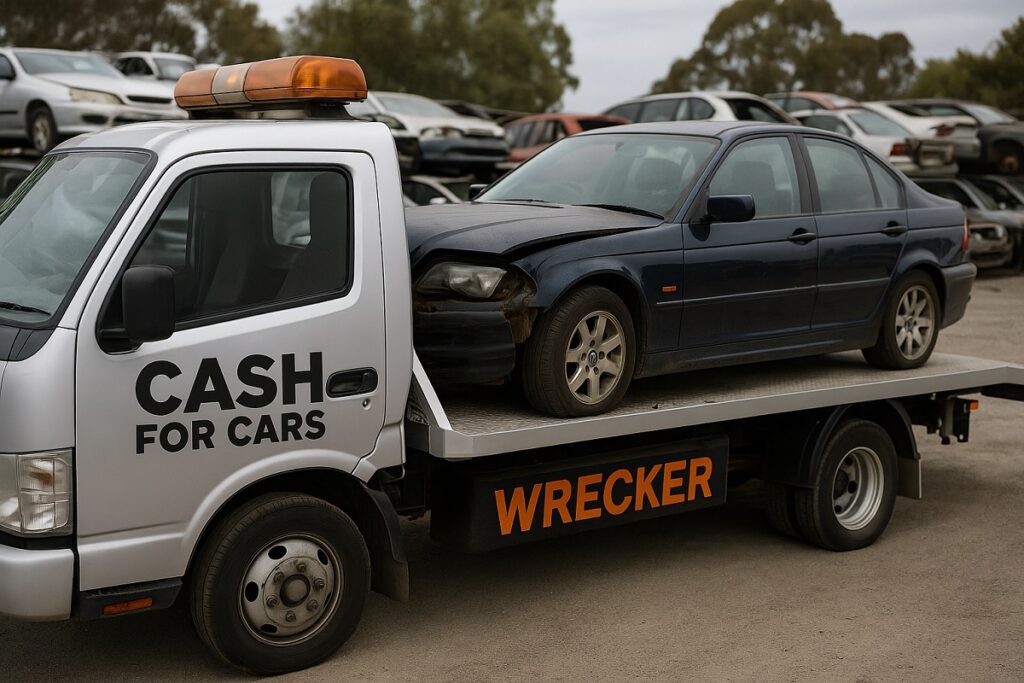
For older, non-running, or written-off vehicles, wreckers and cash-for-cars services are often the best option. They’ll buy based on scrap value or part-out potential and usually offer free towing. Many of them don’t require rego or roadworthy certificates, making it easier to sell an unregistered car quickly.
You can also explore how this process differs from selling a fully registered car in our car selling guide.
3. Trade-In Through a Dealer
Some dealers will accept trade-ins on unregistered vehicles, especially if they’re selling you another car. You’ll likely receive a lower value, but it’s convenient and fast. Just ensure all ownership paperwork is ready, and be clear that the vehicle cannot be test driven.
To compare options, check out how dealers vs. private sales stack up in our guide to finding trusted car dealers in Australia.
Not all platforms accept unregistered vehicles, so your choice will depend on the car’s condition, your time frame, and whether you’re comfortable negotiating privately or prefer a fast trade-in.
How to Trade In an Unregistered Car
Trading in an unregistered vehicle is possible, but it’s not as simple as trading in a fully registered car. If you want to sell an unregistered car through a dealership as part of a trade-in deal, you’ll need to meet specific conditions, and you should expect a lower offer than you’d get for a registered car.
1. Do Dealerships Accept Unregistered Cars?
Some dealerships will accept an unregistered vehicle as a trade-in—especially if the car is still drivable, has low mileage, or is in high demand. However, others may refuse outright or only offer a very low valuation due to the extra steps they must take to re-register or transport the vehicle.
That said, if you’re upgrading to another car at the same dealership, they’re more likely to accommodate you.
To increase your chances, make sure the car is clean, presentable, and that you’ve completed all your paperwork. If the car isn’t running or needs towing, call ahead and ask if they accept trade-ins under those conditions.
2. Paperwork Requirements
To trade in an unregistered car, you’ll need:
- Proof of ownership
- The VIN and engine number
- A signed declaration stating the vehicle is unregistered and being traded as-is
You may also be required to sign over a Notice of Disposal, depending on your state. This protects you from fines or toll charges after the car leaves your possession.
3. Understand the Value Trade-Off
Dealers will factor in the cost of re-registering the vehicle, obtaining a roadworthy certificate, and potential repairs. That means you’ll likely receive $500–$2,000 less than if you sold it privately. However, you’ll avoid the hassle of dealing with private buyers or wreckers.
If you’re unsure whether a trade-in is your best option, explore all your alternatives in our guide to the best ways to sell your car online in Australia.
VicRoads and Selling an Unregistered Car in VIC
If you’re based in Victoria and want to sell an unregistered car, there are specific rules set by VicRoads that you’ll need to follow. Whether you’re trading it in, selling it to a wrecker, or completing a private sale, understanding VicRoads’ requirements will help you avoid fines or transfer complications.
1. Do You Need a Roadworthy Certificate?
No. If the car is unregistered, a roadworthy certificate (RWC) is not required to sell it. However, if the buyer plans to re-register the car in Victoria, they’ll need to obtain an RWC and possibly a vehicle identity validation (VIV) check.
As the seller, your responsibility is to disclose that the vehicle is unregistered and provide the correct documentation for ownership transfer.
2. Required Paperwork for VIC Sellers
When selling an unregistered car in Victoria, VicRoads recommends providing:
- A receipt or bill of sale showing both parties’ details, the VIN, and the date of sale
- Photo ID of both buyer and seller
- A completed Notice of Disposal
You can complete the Notice of Disposal form online through the VicRoads website, which officially removes the vehicle from your name. This step is essential to avoid fines, toll notices, or legal claims after the sale.
3. What If the Buyer Is Interstate?
If you’re selling to a buyer from another state, make sure they understand that the vehicle is unregistered in VIC and will need to comply with their local state’s registration process. The sale itself is still legal, but extra paperwork may be required depending on the destination.
If you’re unsure how this affects you, revisit our guide to selling your car locally in Australia for helpful advice.
Documents You Need to Sell Without Rego
Even when a car is unregistered, you still need the correct documents to complete the sale legally and avoid future issues. Whether you’re listing online, trading it in, or selling it to a wrecker, here’s what’s typically required to sell an unregistered car in Australia.
1. Proof of Ownership
This could be:
- A current or previous registration certificate (even if expired)
- A purchase receipt if the car was never registered in your name
- A statutory declaration if formal proof isn’t available
Buyers need to know you legally own the vehicle before they’ll commit to an unregistered car sale.
2. Photo ID (for Both Parties)
To prevent fraud and meet state requirements, always include photo identification from both buyer and seller. A driver’s licence is the most commonly accepted form of ID.
If you’re selling locally, this is especially important. Learn more about safe local car sales in our guide on how to sell your car locally in Australia.
3. Bill of Sale or Receipt
This should include:
- Full names and contact details
- Vehicle details (make, model, VIN, engine number)
- Date of sale and final price
- Signatures from both parties
- A note that the vehicle is “sold as-is, unregistered”
You can find free templates online, or draft your own as long as the above details are included.
4. Notice of Disposal (or Transfer Form)
Most states require you to lodge a notice of disposal with your transport authority to remove the vehicle from your name. This step is crucial when you sell an unregistered car to avoid being liable for fines or toll charges after the sale.
Without these documents, you could open yourself to disputes or delays during the buyer’s re-registration process. A little preparation ensures your unregistered car sale is smooth and legal.
Can You Sell a Car Without Rego Papers?
One of the most common concerns sellers have is whether they can legally sell an unregistered car without having the registration certificate or related papers on hand. The good news is: yes, it’s still possible — but there are a few important things to know.
1. What if You’ve Lost the Rego Papers?
If your registration has expired and you’ve lost the certificate or never received one, you can still sell the vehicle. Instead of the rego document, you’ll need:
- Proof of identity
- A signed bill of sale
- The vehicle’s VIN and engine number
- Any older rego renewals or purchase receipts, if available
As long as you can prove ownership and include all vehicle details, you can legally complete an unregistered car sale.
If this situation applies to you, we recommend reading our step-by-step guide to selling a car without complications, which walks you through handling missing documents and legal gaps.
2. What Buyers Will Ask For
Buyers may request:
- The VIN for history checks (PPSR, REVS)
- Engine number to confirm identity
- Proof that there’s no finance or encumbrance
- A signed statement noting that the car is being sold “as-is, unregistered”
As long as you’re transparent and provide what you can, most private buyers or wreckers won’t require formal registration documents if the car has clearly lapsed rego and is being sold for parts, repair, or restoration.
3. What Not to Do
Never attempt to sell a car as “registered” if it’s not — even if it still has the plates attached. That can create serious legal issues. Always make it clear in writing that you’re selling the vehicle without registration and without rego papers if they’re unavailable.
Risks and Mistakes to Avoid When Selling an Unregistered Car
Even though it’s legal to sell an unregistered car, there are some easy-to-make mistakes that can lead to serious problems—such as fines, liability, or disputes with buyers. To protect yourself, make sure you avoid these common pitfalls.
1. Not Notifying the Transport Authority
Failing to lodge a Notice of Disposal (or equivalent form in your state) after the sale is one of the biggest risks. If you don’t inform VicRoads, Service NSW, or your local authority, the vehicle might still be registered in your name—leaving you liable for parking fines, tolls, or even accidents.
If you’re unsure of this step, we’ve covered it in detail in our ultimate guide to selling your car in Australia.
2. Selling Without a Written Agreement
Even for low-value or scrap sales, never complete the sale verbally or without paperwork. A bill of sale protects both parties and proves that the transaction was legal and final. If issues arise later (e.g. claims about damage or registration disputes), having documentation is essential.
Include the vehicle’s make, model, VIN, date of sale, and note that it’s sold “as-is, unregistered.”
3. Misleading the Buyer About the Vehicle’s Status
Never imply that the car is still registered if it’s not. Don’t leave plates on unless legally required by your state. If the buyer needs to tow the vehicle or arrange a permit for transport, make that clear upfront.
Trying to hide the fact that you’re attempting to sell an unregistered car could result in legal issues and damage your credibility as a seller.
4. Accepting Payment Before Verifying the Buyer
Always get a copy of the buyer’s ID, especially for private sales. And never hand over the car or keys until full payment has cleared—whether via bank transfer or cash.
For more advice on safe selling practices, see our guide to avoiding scams when selling your car online.
Frequently Asked Questions About Selling an Unregistered Car
Can I sell my unregistered car online?
Yes. Many buyers—especially wreckers and private buyers—search online for cheap or unregistered vehicles. You can list your car on platforms like AusCarSales, Facebook Marketplace, or Gumtree. Just be upfront in your listing that the car is unregistered and sold as-is.
If you’re ready to list your vehicle now, start here: Sell your car online.
Can I trade in an unregistered car to a dealer?
Yes, but not all dealers accept them. Most will reduce the trade-in value to account for towing, re-registration costs, and roadworthy inspections. If the car is drivable or recently unregistered, you’ll have a better chance.
To learn more, refer to our section on how to trade in an unregistered car.
Do I need a roadworthy certificate?
Not to sell the car. But the buyer will need one if they want to register the vehicle again. You should clearly state in writing that you’re selling the car unregistered and without roadworthy certification.
What if I’ve lost my rego papers?
You can still sell an unregistered car without registration papers, as long as you can prove ownership. Provide a bill of sale, ID, and the VIN. Buyers can then do their own vehicle checks or register the car after purchase.
Can I drive the car to the buyer?
No. In most states, it’s illegal to drive an unregistered vehicle unless you have a temporary permit (like a VIC unregistered vehicle permit from VicRoads). Otherwise, use towing or transport services.
Is it legal to sell a car with expired rego?
Yes. You can sell a car without rego as long as you disclose the status, provide a receipt, and follow your state’s disposal or transfer procedures.
Will VicRoads notify me once the car is transferred?
No. It’s your responsibility to lodge a Notice of Disposal after the sale. Once that’s done, VicRoads removes the car from your name. You can also request confirmation online through their official portal.
Conclusion: Sell Your Unregistered Car with Confidence
Selling a vehicle without registration might seem like a challenge, but as you’ve now seen, it’s completely legal and manageable when done the right way. Whether your rego has expired, the car failed a roadworthy, or you simply no longer use it, you can still sell an unregistered car in Australia with confidence.
From gathering your documents to choosing the right platform and avoiding common mistakes, you now have the knowledge needed to complete the process legally, safely, and efficiently. Buyers exist for every type of vehicle—running or not—and demand for unregistered car sales is growing, especially in the private and salvage markets.
If you’re ready to take the next step, visit our Sell My Car page to create your listing. Whether it’s for parts, restoration, or resale, listing your vehicle through AusCarSales helps you connect with serious buyers across Australia who know what they’re looking for.
Don’t let your unregistered car collect dust or lose more value. List it now, complete the sale properly, and move forward with peace of mind.
Selling your car?
List your vehicle on AusCarSales and connect with buyers across Australia.
Sell Your Car